Resource-Saving Standards in Europe: Which EU Rules Apply to Products?
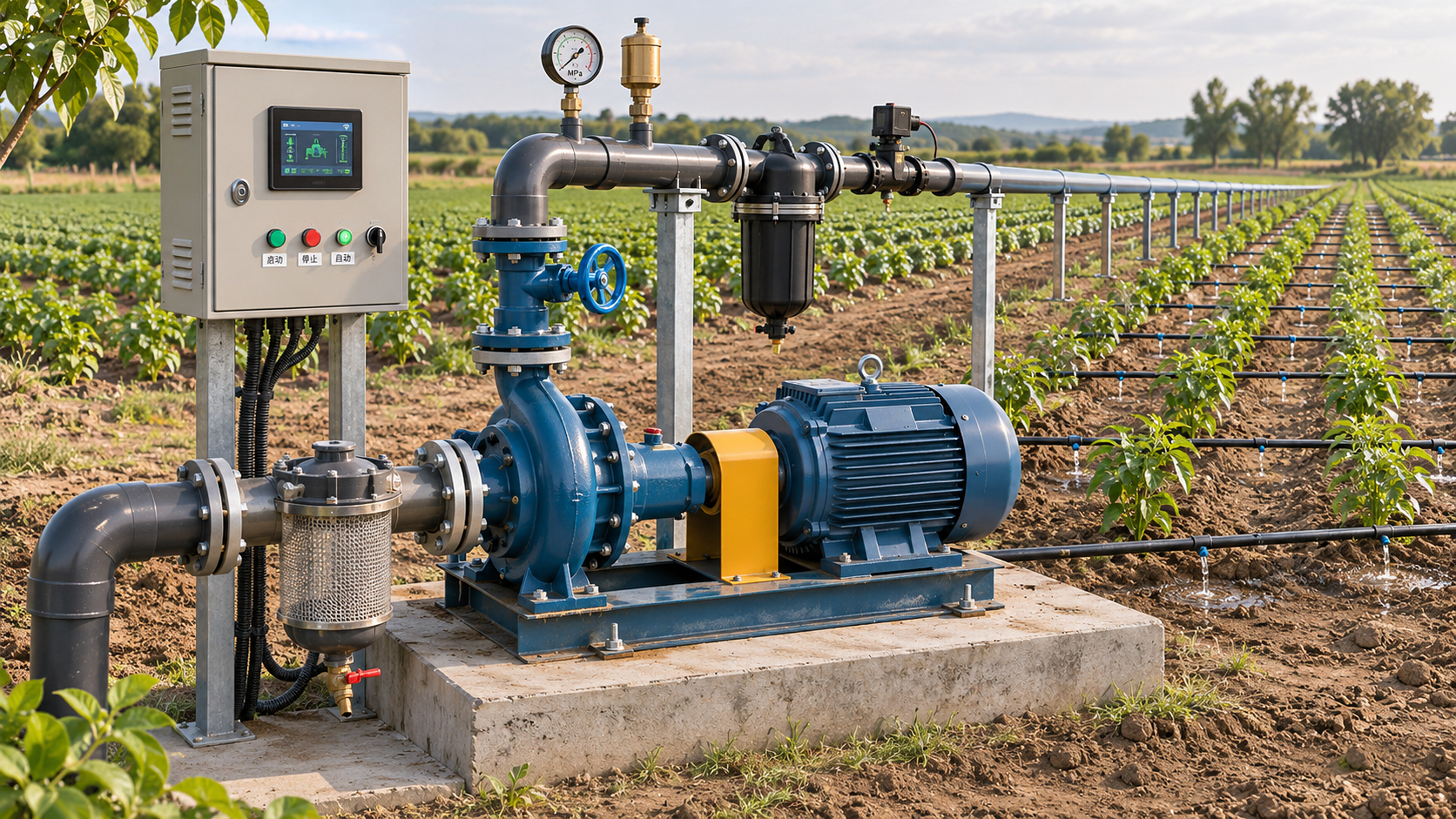




The EU rules governing a product’s use of energy, water and materials depend on what the product is, how it is supplied and whether a specific legal measure covers it. A water-saving claim, for example, does not establish that an irrigation controller meets an EU ecodesign requirement; there must first be an applicable product measure.
For technical evaluators, resource-saving standards in Europe are best assessed through a product-by-product legal and technical review. The Ecodesign for Sustainable Products Regulation provides a broad framework for future requirements, while existing product-specific rules, energy labelling and other legislation may impose separate obligations. Agricultural machinery and irrigation systems need particular care because one installation can contain several components with different compliance paths.
How EU resource-saving rules apply to products
The Ecodesign for Sustainable Products Regulation, or ESPR, establishes a framework for setting sustainability requirements for products placed on the EU market or put into service. Its scope is broad, but the framework alone does not give every product a uniform efficiency threshold. Detailed obligations depend on measures adopted for the relevant product group.
Depending on the measure, ecodesign requirements can address aspects such as energy use, water use, durability, repairability, recycled content or product information. A measure can also require a Digital Product Passport to make specified information available to actors in the supply chain. Evaluators should distinguish these possible types of requirement from the requirements actually adopted for the product under review.
Existing ecodesign measures for energy-related products remain relevant where they apply. A product may also be subject to EU energy labelling rules, which communicate information to buyers through a prescribed label. Ecodesign sets applicable market access requirements; energy labelling applies where a separate product-specific labelling measure requires it. An efficient product does not automatically qualify for a label, and a label does not replace the applicable ecodesign assessment.
Resource-saving standards in Europe: a practical applicability test
Begin with the product as it is placed on the market, rather than with a sustainability objective such as “uses less water.” A complete machine, a replacement motor and a controller sold separately may have different legal identities even when they operate together in the field.
- Define the item and its intended use. Record the product category, operating principle, power source, intended environment and whether the item is supplied separately or integrated into another product.
- Map product-specific legal measures. Read each measure’s definitions, scope and exclusions against the actual configuration. Identify the applicable requirements and any relevant transition provisions.
- Separate obligations by economic operator. Determine which responsibilities attach to the manufacturer, importer or other operator for the product being assessed.
- Identify the assessment method. Match each required characteristic to the specified measurement or calculation method and to suitable technical standards.
- Build a traceable evidence record. Link each requirement to the product variant, test or calculation, technical documentation and required declaration or product information.
This sequence prevents two common errors. The first is assuming that a framework regulation automatically imposes the same numerical limits on every product. The second is assuming that an agricultural application excludes all components from product-specific rules. An electric motor used in an irrigation installation, for example, needs to be assessed against the scope and exclusions of the relevant motor measure; its agricultural use alone is not a complete answer.
Scope also changes when equipment is supplied as a system. A pump, motor, drive and controller may be marketed together, but a component-level requirement and a system-level performance claim answer different questions. Component documentation should identify the exact model and operating conditions. A claim about the assembled system needs evidence for the combined configuration and its intended duty.
Standards, conformity and the evidence behind a claim
An EU regulation or directive creates legal obligations. A technical standard provides detailed specifications or methods that can support assessment. Standards can help make results comparable, but their legal role depends on the legislation and the standard concerned.
Where a harmonised standard is cited in the Official Journal of the European Union for applicable legislation, using the relevant provisions can provide a presumption of conformity with the requirements it covers. That presumption is limited to the covered requirements. A standard may address measurement, for example, without addressing every information or design obligation in a product measure.
Evaluators should therefore avoid treating a standards certificate as a complete compliance file. The useful evidence is a chain: the applicable requirement, the relevant product configuration, the method used, the result and the supporting technical documentation. If a family of variants is assessed together, the documentation should explain why the tested or calculated configuration represents each variant covered.
CE marking is also not a general resource-efficiency rating. It is relevant where applicable EU legislation requires it, and its meaning depends on the legislation under which the product is assessed. A CE mark alone does not tell a buyer how much water an irrigation system saves or how efficiently a machine performs a particular field task.
Assessing agricultural machinery and irrigation equipment
Electric motors, pumps and variable-speed drives
A motor’s regulated efficiency, where a motor measure applies, is a property assessed under defined conditions. The energy used to deliver irrigation water depends on more than that motor: pump selection, pressure, flow, pipework, controls and operating hours all affect the installation. A compliant motor can therefore be part of a system that consumes more energy than necessary.
For a technical comparison, ask for the duty point and the operating range used in the assessment. A variable-speed drive can reduce energy use when flow or pressure demand varies and the system is designed to benefit from speed control. It is less persuasive to assume the same benefit for a system that operates continuously near a fixed duty point. Compare the expected operating profile with the pump and control configuration before accepting a system-level saving claim.
Irrigation controllers and water use
Water-use claims need a clear reference case. A controller that uses soil or weather information may support more targeted scheduling, but the result depends on sensor placement, settings, crop needs, distribution uniformity and operator decisions. Comparing water use without accounting for crop conditions or the area irrigated can make two systems appear comparable when they are not.
Evidence is strongest when it describes the baseline schedule, the area and crop covered, the period assessed and how water use was measured. Water applied per unit of area can be useful, but it does not by itself show whether the crop received an appropriate amount of water. For emitters and distribution equipment, the assessment should also consider whether water reaches the intended area consistently under the stated operating conditions.
A resource-efficiency evaluation may therefore require both product evidence and installation evidence. The former establishes what the supplied components can do under defined conditions; the latter shows how the design and settings affect the use of water in a particular field.
Tractors and combine harvesters
A tractor or combine harvester should not be assumed to fall under an ecodesign measure simply because it consumes fuel or contains electrical components. Its applicable obligations depend on its classification and the legislation covering the complete machine and its components. Safety, vehicle approval or engine emissions requirements may be relevant, but they should not be described as resource-efficiency limits unless the applicable provision actually sets such a requirement.
For procurement or technical evaluation, fuel or energy consumption is most useful when related to work performed under comparable conditions. A combine’s consumption per operating hour, for instance, does not capture differences in crop throughput or harvesting losses. Field conditions, crop characteristics, machine settings and the definition of useful output all affect the comparison. The same caution applies to tractors performing different operations or pulling different implements.
Materials, repairability and spare parts
Resource saving includes more than operational energy and water. For long-service equipment, access to repair information, replaceable wear parts and compatible components can affect how long a machine remains useful. These characteristics can be commercially important even when no product-specific ecodesign requirement mandates a particular repair provision.
When a product measure does impose material efficiency or information requirements, check their exact scope. An obligation to make specified spare parts available is different from a general claim that a product is repairable. Likewise, a stated recycled-content figure needs a defined material scope and calculation basis before it can be compared with another product’s claim.
For evaluators reviewing agricultural equipment, the decisive record is the link between each supplied product or component, its applicable legal measure and the evidence for the requirement being assessed. Field performance claims add a further layer: they need operating conditions and a meaningful reference case, so that resource savings can be judged in the work the equipment is intended to perform.
Related News
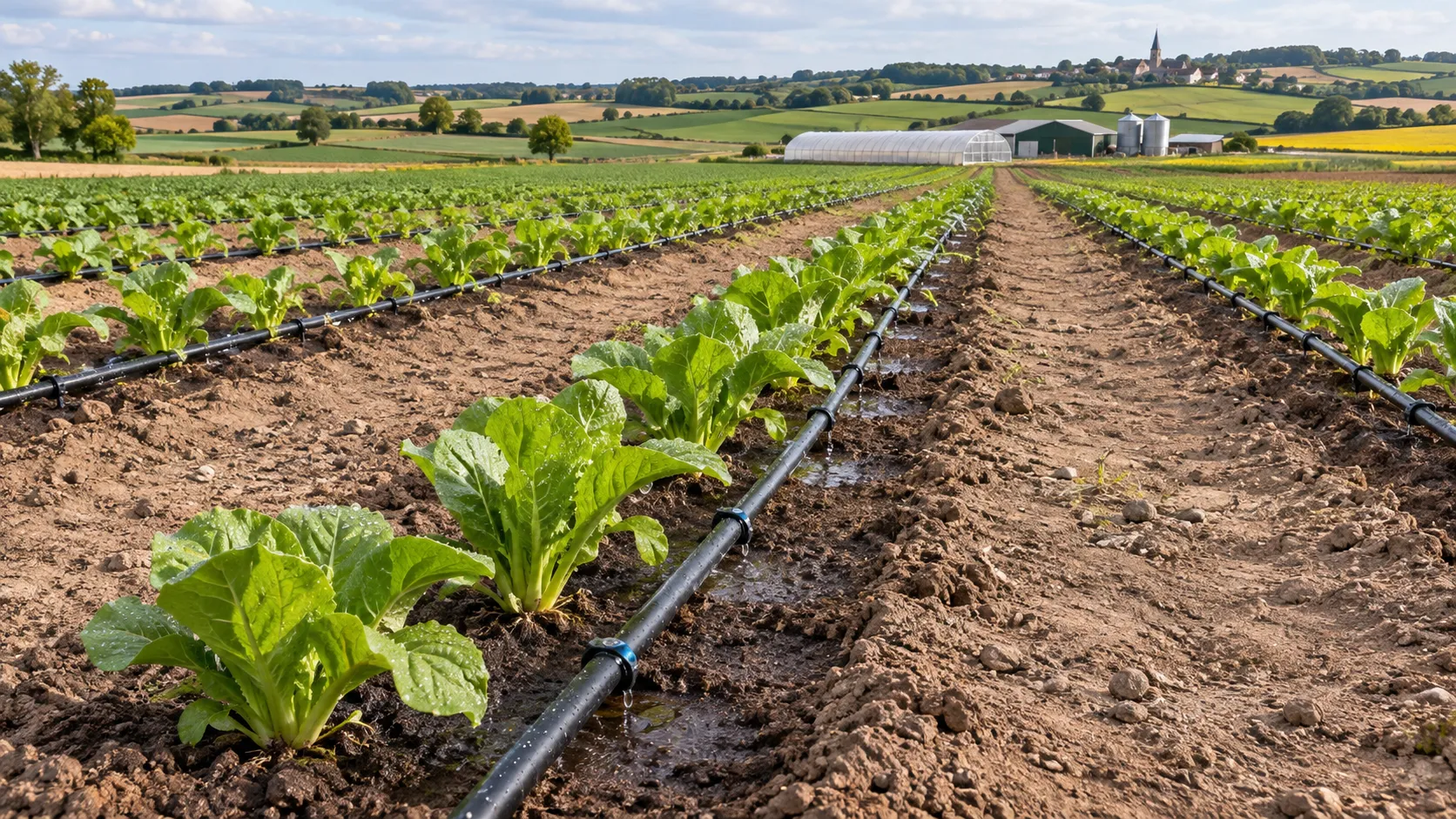
Orbia Netafim Introduces New Regional Model to Accelerate Western European Growth
Orbia Netafim introduces a new Western European regional model. Discover how it aims to improve irrigation services and supply chain responsiveness.
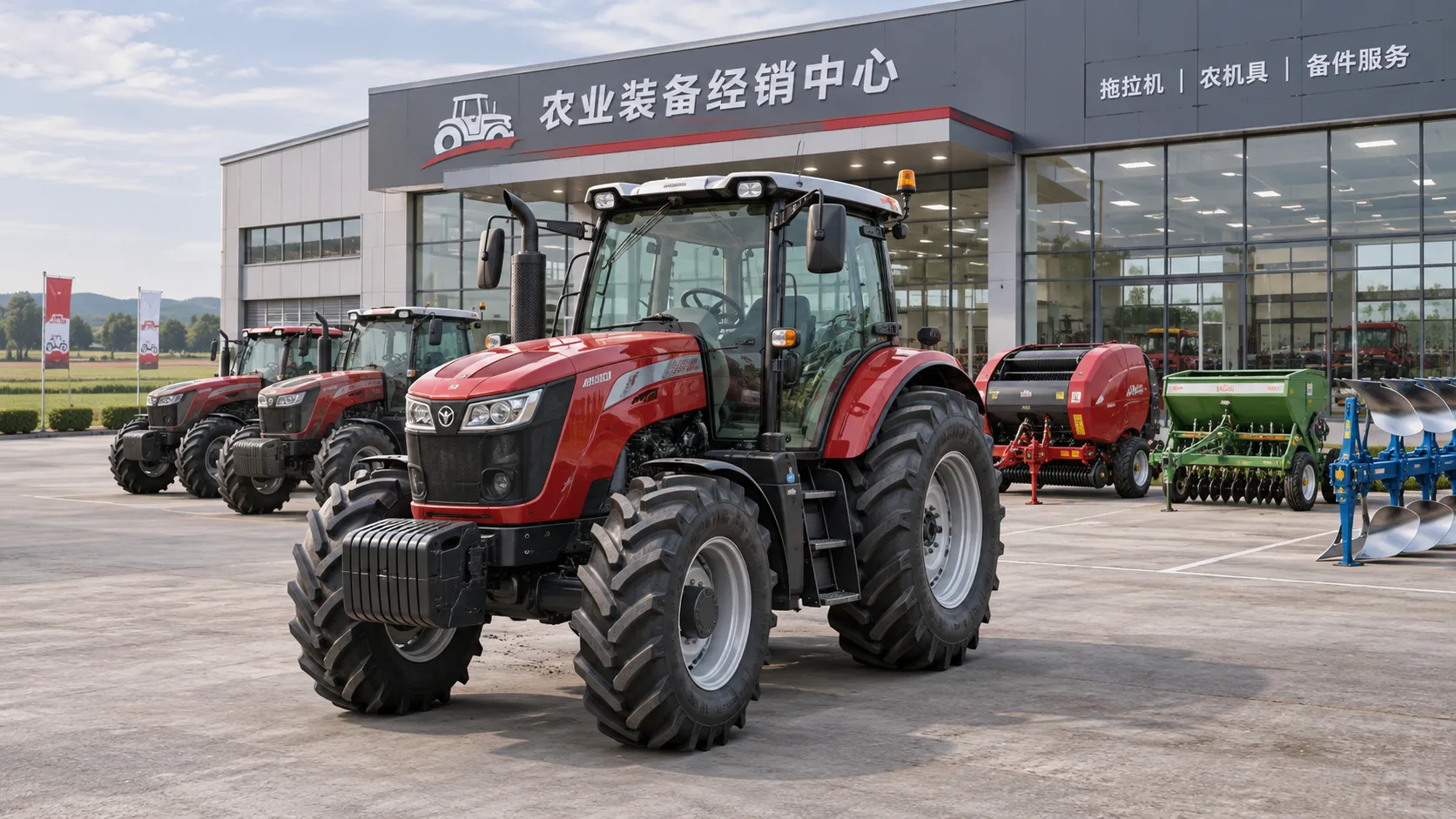
AED and NAEDA Propose Merger to Combine North American Dealer Resources
AED and NAEDA propose a merger to combine dealer resources across North America. Explore what the member vote could mean for benefits and representation.

Choosing Large-Scale Agricultural Machinery for Farm Size and Crop Needs
Choose large scale agricultural machinery with confidence. Compare field capacity, crop needs, soil impact, and ownership costs to find the right fit for your farm.
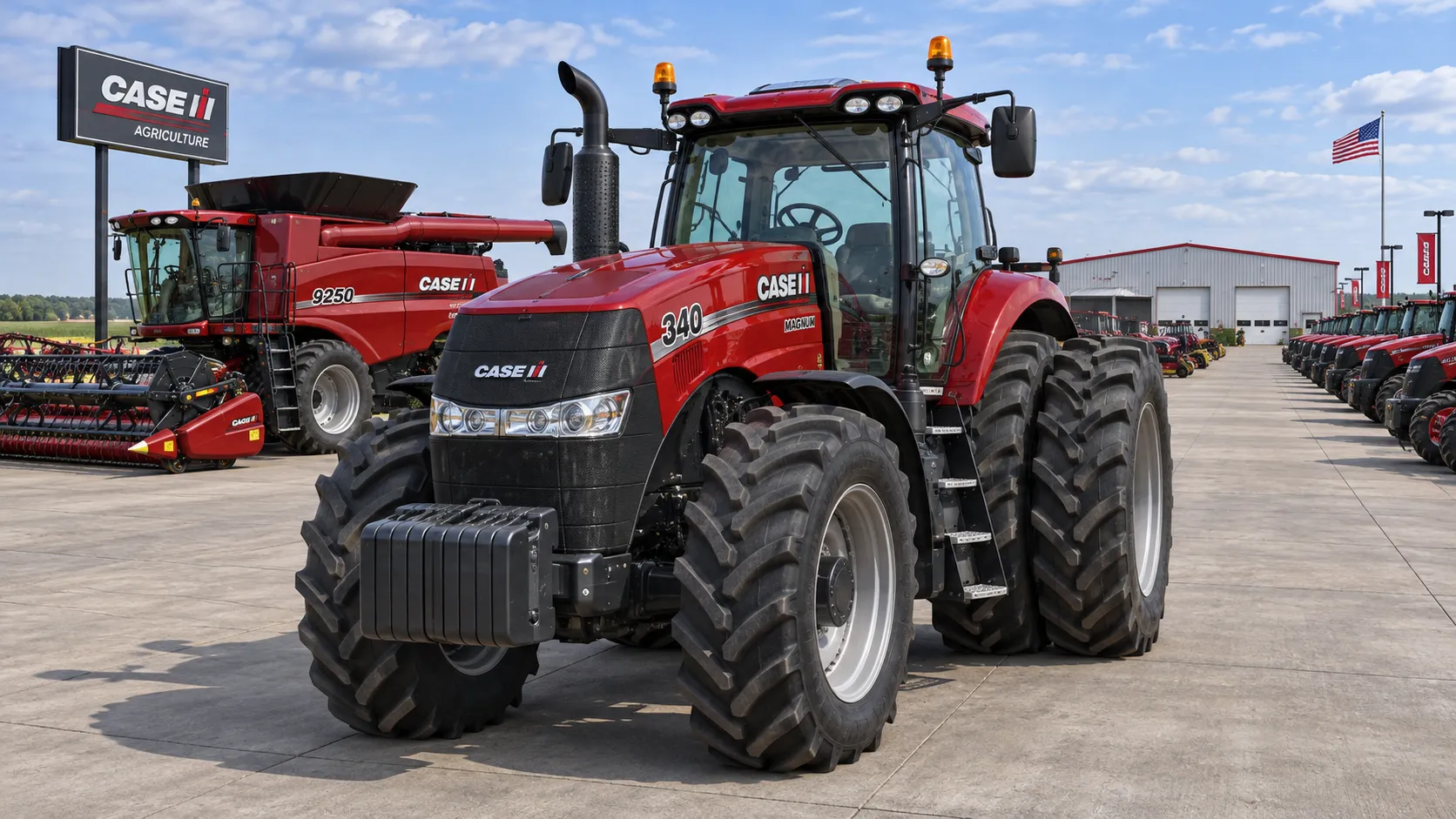
US Farm Equipment Sales Fall: Tractors Down 25.3%, Combines Down 10%
US farm equipment sales are falling, with tractors down 25.3% and combines down 10%. Explore what the figures could mean for buyers and suppliers.
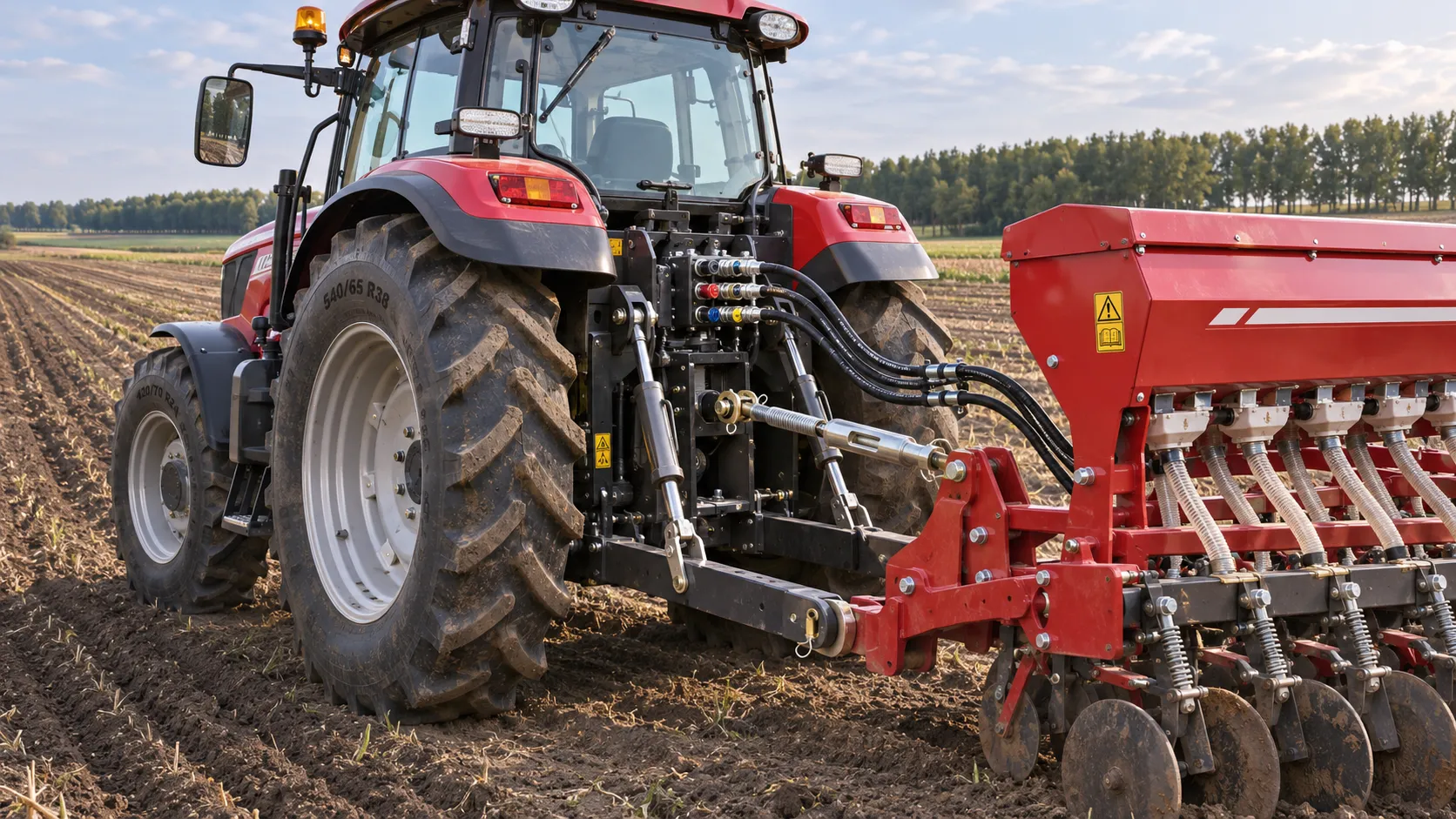
Farm Machinery Hydraulic Specifications: Flow, Pressure and Lift Capacity
Compare farm machinery specifications: hydraulic system flow, pressure and lift capacity. Learn how to match implements and avoid costly compatibility issues.
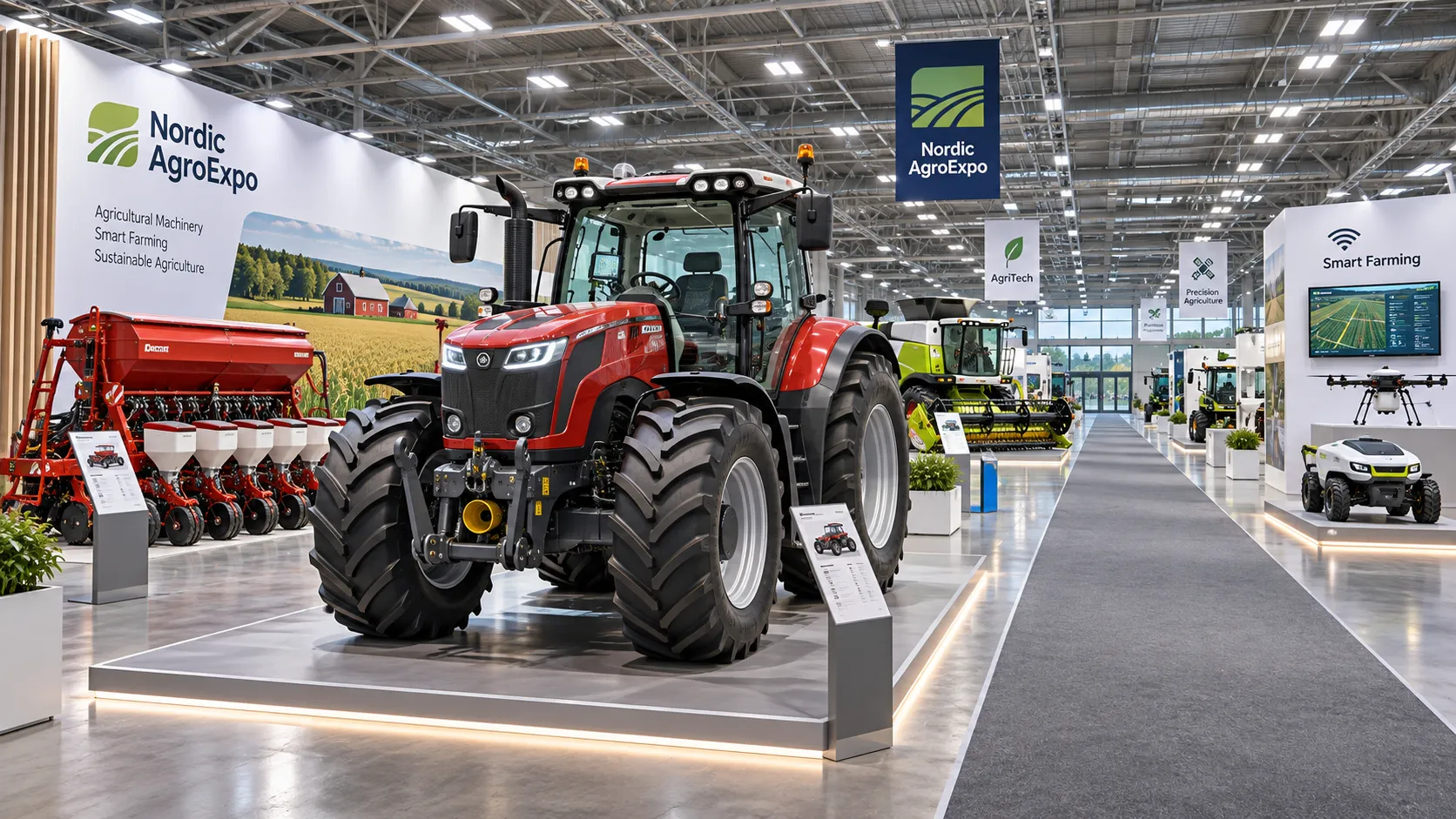
Agromek 2026 Opens in Herning with 530 Exhibitors
Agromek 2026 opens in Herning with 530 exhibitors. Explore agricultural machinery, smart equipment and sustainable farming technologies.
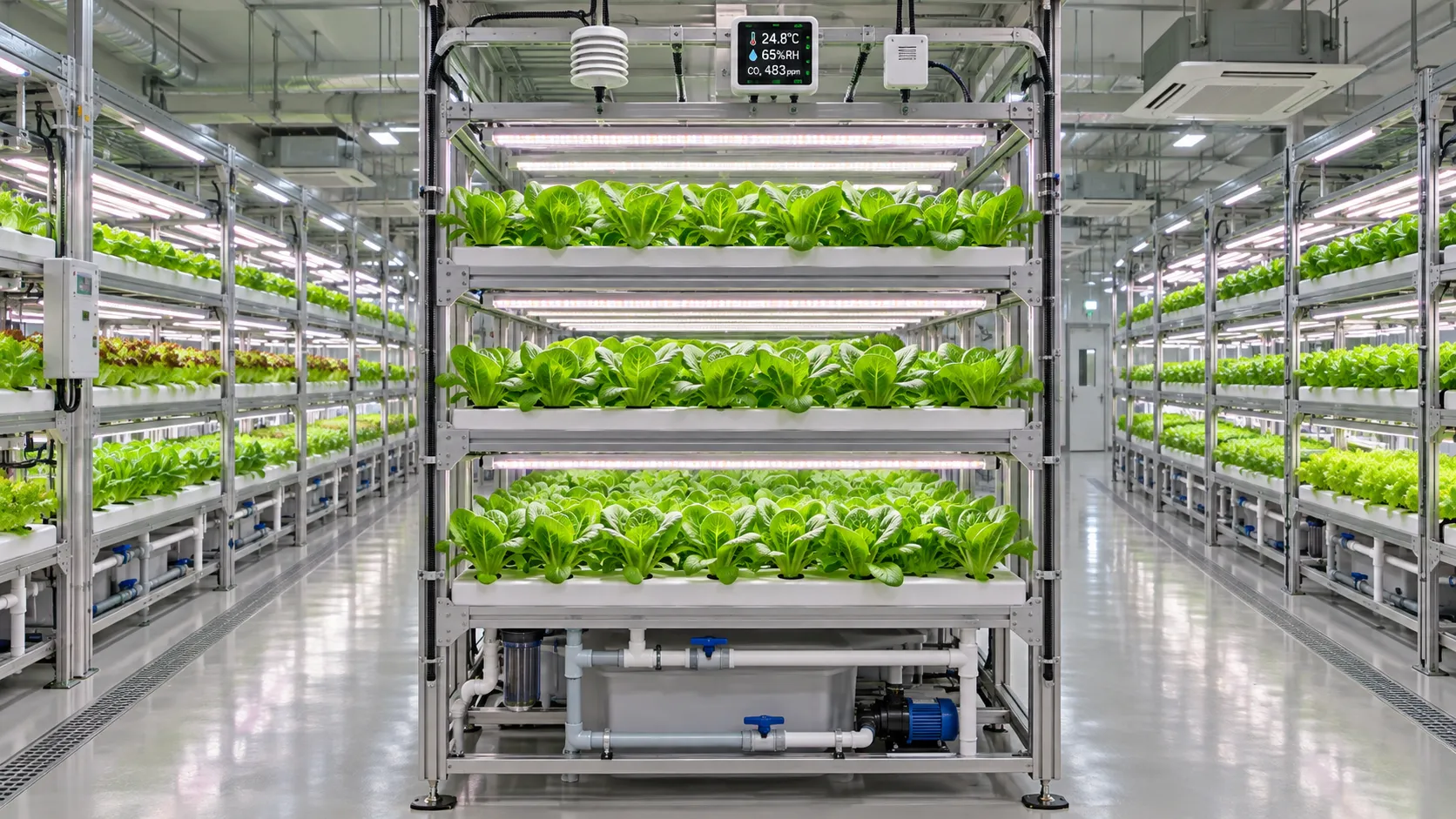
Guangming Daily Explores a Greener, More Resilient Future for Agriculture
Explore how agricultural technology, from AI and biotechnology to plant factories, could support greener, more resilient farming and inform smarter purchasing decisions.

DEUTZ-FAHR 7 Series TTV to Feature FPT N67 Engine at EIMA 2026
DEUTZ-FAHR 7 Series TTV tractors will feature the FPT N67 engine at EIMA 2026. Explore the three-model range and its maximum output of 271 horsepower.

Philippines Agriculture Department and FAO Explore Smart Farming
Smart farming in the Philippines: discover how the Department of Agriculture and FAO are exploring integrated technologies to improve efficiency and food sovereignty.
Related News
- 00
0000-00
Choosing Large-Scale Agricultural Machinery for Farm Size and Crop Needs - 00
0000-00
Resource-Saving Standards in Europe: Which EU Rules Apply to Products? - 00
0000-00
Global Precision Farming Market Forecast to Reach $22.3 Billion by 2034 - 00
0000-00
Climate-Smart Agriculture Investments: Evaluating ROI and Climate Risks - 00
0000-00
FAO: Global Food Supplies Ample, but Market and Food Security Risks Rise
0000-00
Popular Tags
Ms. Elena Rodriguez
Weekly Insights
Stay ahead with our curated technology reports delivered every Monday.