Philippines Agriculture Department and FAO Explore Smart Farming
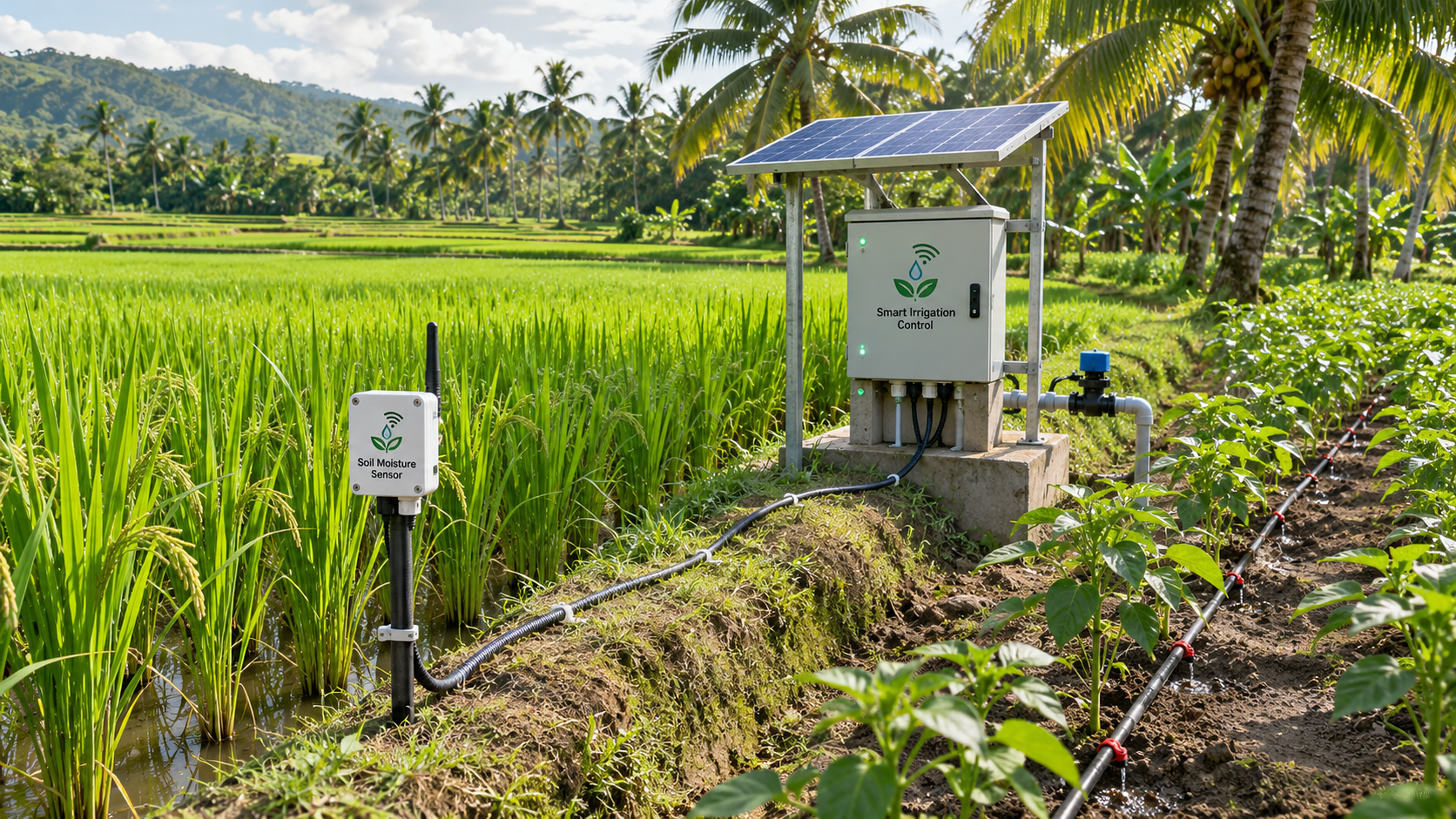




The Philippines Department of Agriculture and the United Nations Food and Agriculture Organization (FAO) are exploring how to advance smart farming through a more systematic integration of technologies. The timing of the development is not specified in the information provided. For agricultural producers, technology suppliers and buyers, the discussion is worth watching as a policy signal that could eventually influence how farming systems are specified, purchased and supported. No new rule or implementation requirement is identified in the available summary.
A Shared Focus on Integrating Farming Technologies
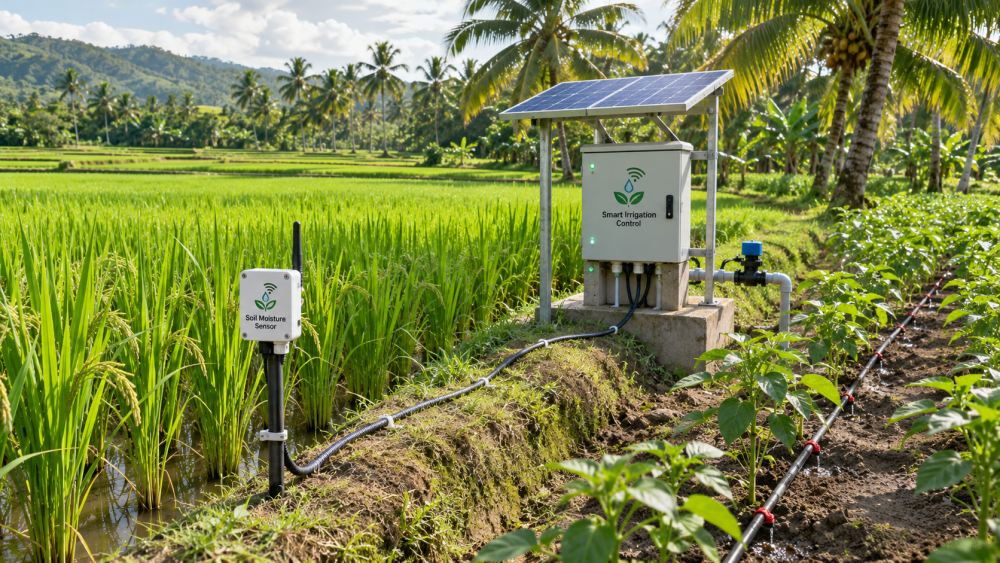
The Department of Agriculture and FAO are jointly exploring the development of smart farming in the Philippines. Their stated focus is on bringing different smart farming technologies together through a systematic approach.
The objectives described are to improve agricultural production efficiency, achieve food sovereignty and reduce excessive dependence on imports. The event date is not specified in the supplied information.
Where a Systems Approach Could Affect Agricultural Business
Farm-Level Investment and Production Decisions
From an industry perspective, the emphasis on integration may matter to agricultural producers considering how technologies fit into their operations. A purchasing decision could become less focused on an individual device or application and more concerned with whether several tools can function together in a workable farming process.
That shift is a possibility, not an established requirement. Producers evaluating a solution may nevertheless find it useful to ask how the proposed components exchange information, who is responsible for installation and support, and what evidence is available for the claimed production benefits. The answers could affect the practical value of an investment even if no new public rule follows.
For buyers with limited capacity to change equipment or procedures, compatibility with existing operations could be particularly relevant. Analysis suggests that a system is useful only to the extent that its components can be operated and maintained together under the buyer's actual conditions. The supplied information does not identify any required technology, eligible crop or prescribed method of adoption.
Equipment Suppliers and System Integrators
Suppliers of farming equipment, software and related services may face different commercial questions if future initiatives favor coordinated solutions. For example, a buyer might seek clearer explanations of how a supplier's product connects with other components, what information must be supplied at delivery and how faults will be addressed across the system.
System integrators could have a role in translating those expectations into specifications and delivery plans. That potential role should not be confused with a confirmed procurement program: the input does not announce a tender, define supplier qualifications or establish a certification scheme. Any change in purchasing criteria would need to be checked against the relevant documents if and when they are issued.
From a delivery perspective, suppliers can consider whether product descriptions distinguish between functions that have been demonstrated and functions that depend on another component. Clear boundaries may help buyers assess integration proposals without assuming that every advertised feature is available in every configuration.
Procurement, Trade and Supply Chain Planning
The stated objective of reducing excessive import dependence gives the discussion a trade dimension, but it does not establish an import restriction or a local purchasing mandate. Analysis suggests that procurement teams should distinguish between a broad food sovereignty objective and any future measure that actually changes sourcing conditions.
If further details emerge, buyers and suppliers may need to assess whether they affect the origin, availability or specifications of agricultural products or technology. They may also need to review delivery schedules and the availability of replacement components. At present, there is no basis in the supplied information to conclude that trade documentation, tariffs or market access conditions have changed.
For companies involved in agricultural supply chains, the practical question is therefore how a possible change in production practices might affect purchasing and delivery over time. That effect would depend on decisions not described in the input, including whether integrated systems are adopted, by whom and on what terms.
Technical Verification and After-Sales Support
Where several technologies are combined, buyers may seek stronger evidence that the components work as proposed. Testing and technical service providers could be asked to help assess compatibility, performance claims or maintenance arrangements. These are potential commercial needs, not newly announced regulatory obligations.
After-sales providers may also become relevant if an integrated solution requires coordination between equipment and software support. A contract that identifies who handles each part of a fault could help a buyer manage delivery risk. No particular test, certificate or service standard is specified in the information available for this article.
What Businesses Can Check While Details Remain Open
Follow the Status of the Discussion
Companies can monitor subsequent statements from the parties involved to determine whether the discussion develops into a defined initiative. The distinction matters: an intention to explore technology integration does not by itself establish a policy, a budget, a procurement process or an obligation for market participants.
If a further announcement is made, useful questions would include its scope, intended participants and any implementation timetable. Businesses should check the actual wording before treating a proposal or expression of interest as an operational requirement.
Prepare Evidence for Integrated Proposals
Suppliers considering this market can review whether their technical documents explain how a proposed solution works as a whole. Relevant material might include component descriptions, compatibility information, operating instructions and support arrangements. Where performance claims depend on particular conditions, identifying those conditions can help buyers judge whether the claims fit their needs.
For procurement teams, a practical step would be to compare a proposed system's functions with the information needed to operate and maintain it. This is a voluntary preparation measure; the event summary does not prescribe a document set or require a specific form of technical verification.
Check Future Purchasing and Compliance Documents
Any later procurement notice or implementation document could introduce conditions that differ from the broad objectives currently described. Businesses should examine the applicable documents for product specifications, evidence requirements, supplier responsibilities and acceptance procedures before committing to a bid or delivery plan.
Certification and testing requirements should be verified in the same way. The available information does not identify a new certification, an amended standard or a change to an existing compliance process. Until a relevant authority or buyer provides details, it would be premature to assume that a particular certificate will be needed.
Assess Sourcing and Service Dependencies
Buyers and suppliers can map the components and services on which a proposed system depends, including the availability of support after delivery. If a component is sourced through a different supplier, a business may wish to confirm who is responsible for compatibility and replacement arrangements.
This assessment can also help procurement teams compare alternative configurations if later purchasing conditions change. Such planning should remain proportionate to the information available: the stated aim of reducing excessive import dependence does not identify products to be substituted or establish a deadline for changing suppliers.
From Policy Signal to Possible Implementation
In editorial assessment, the development is best understood as an early policy signal and a subject for continued observation. The confirmed information describes a joint exploration and objectives; it does not show that a binding rule has been adopted or that an implementation process has begun.
The most consequential next detail would be whether the parties define a practical mechanism for integrating technologies. A future description of responsibilities, participating producers or purchasing arrangements could help businesses judge whether the discussion has direct commercial implications. Conversely, a broad statement of intent may leave sourcing and delivery decisions largely unchanged until further details are available.
Industry feedback would also matter if specific proposals emerge. Producers may evaluate whether an integrated solution fits their operations, while suppliers may assess whether specifications can be met and supported after delivery. Those reactions cannot be inferred from the current summary and should be assessed through subsequent information.
Keeping the Opportunity in Perspective
The discussion links smart farming with production efficiency, food sovereignty and reduced excessive reliance on imports. Its potential relevance extends across farm investment, technology supply, procurement and service delivery, particularly if integration becomes a feature of future projects or purchasing documents.
For now, the proportionate response is to follow the development, examine relevant technical dependencies and verify any later requirements in their original documents. The available information supports attention and preparation, but it does not establish a new compliance deadline, trade rule or guaranteed market outcome.
Basis for This Article and Further Verification
This article is based on the supplied news title, event-time description and event summary. The event time was not specified, and no specific official source link was provided in the input. The details should therefore be verified as further information becomes available.
Relevant material for continued monitoring could include official announcements, subsequent procurement documents, applicable regulatory or standards documents, and reporting on industry feedback. Particular attention should be paid to any implementation details, certification interpretations, purchasing conditions, trade execution and business experience that may later clarify the practical effect of the discussion.
Related News
Orbia Netafim Introduces New Regional Model to Accelerate Western European Growth
Orbia Netafim introduces a new Western European regional model. Discover how it aims to improve irrigation services and supply chain responsiveness.
AED and NAEDA Propose Merger to Combine North American Dealer Resources
AED and NAEDA propose a merger to combine dealer resources across North America. Explore what the member vote could mean for benefits and representation.

Choosing Large-Scale Agricultural Machinery for Farm Size and Crop Needs
Choose large scale agricultural machinery with confidence. Compare field capacity, crop needs, soil impact, and ownership costs to find the right fit for your farm.
US Farm Equipment Sales Fall: Tractors Down 25.3%, Combines Down 10%
US farm equipment sales are falling, with tractors down 25.3% and combines down 10%. Explore what the figures could mean for buyers and suppliers.
Farm Machinery Hydraulic Specifications: Flow, Pressure and Lift Capacity
Compare farm machinery specifications: hydraulic system flow, pressure and lift capacity. Learn how to match implements and avoid costly compatibility issues.
Agromek 2026 Opens in Herning with 530 Exhibitors
Agromek 2026 opens in Herning with 530 exhibitors. Explore agricultural machinery, smart equipment and sustainable farming technologies.
Guangming Daily Explores a Greener, More Resilient Future for Agriculture
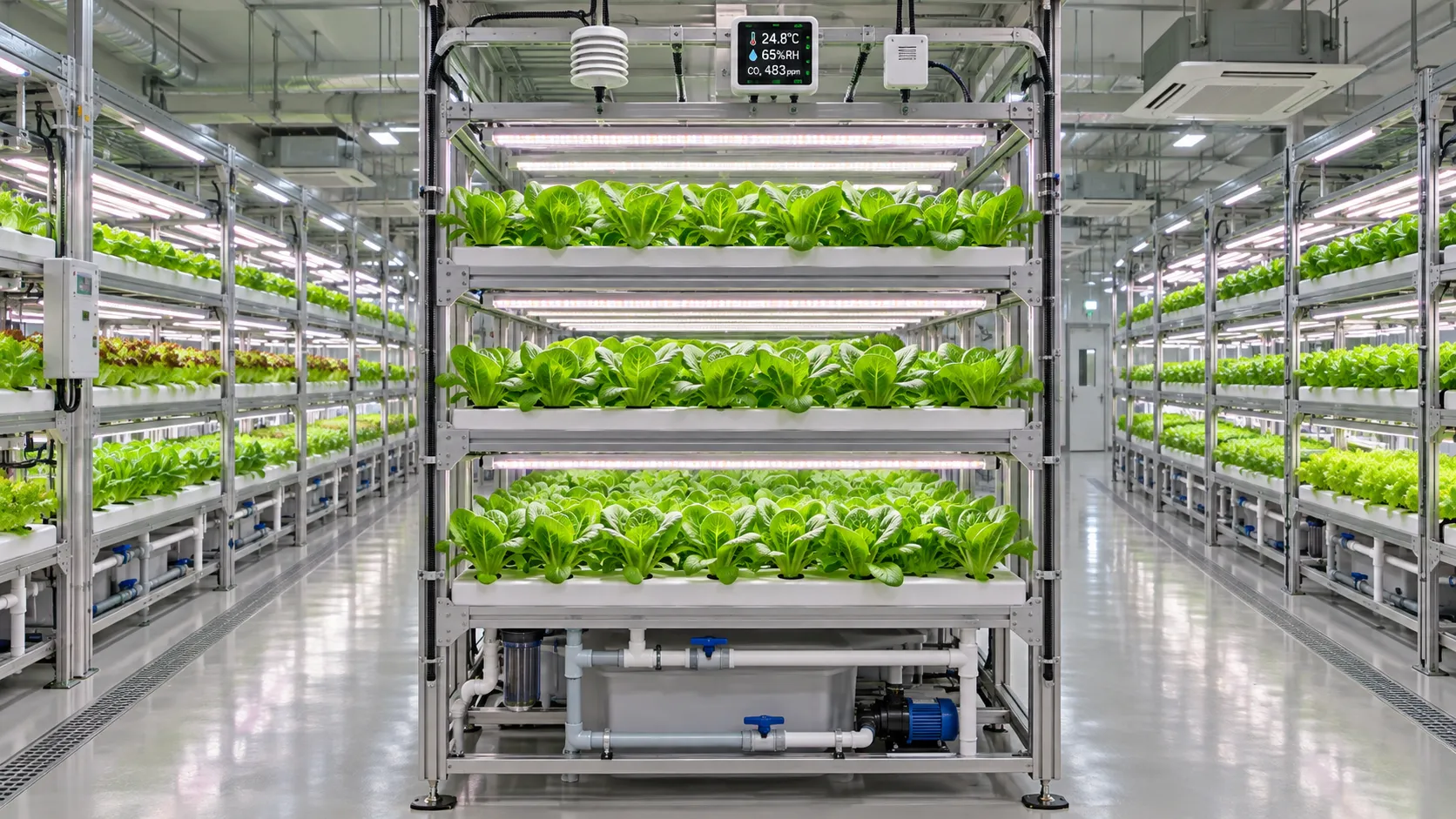
Explore how agricultural technology, from AI and biotechnology to plant factories, could support greener, more resilient farming and inform smarter purchasing decisions.

DEUTZ-FAHR 7 Series TTV to Feature FPT N67 Engine at EIMA 2026
DEUTZ-FAHR 7 Series TTV tractors will feature the FPT N67 engine at EIMA 2026. Explore the three-model range and its maximum output of 271 horsepower.
Resource-Saving Standards in Europe: Which EU Rules Apply to Products?
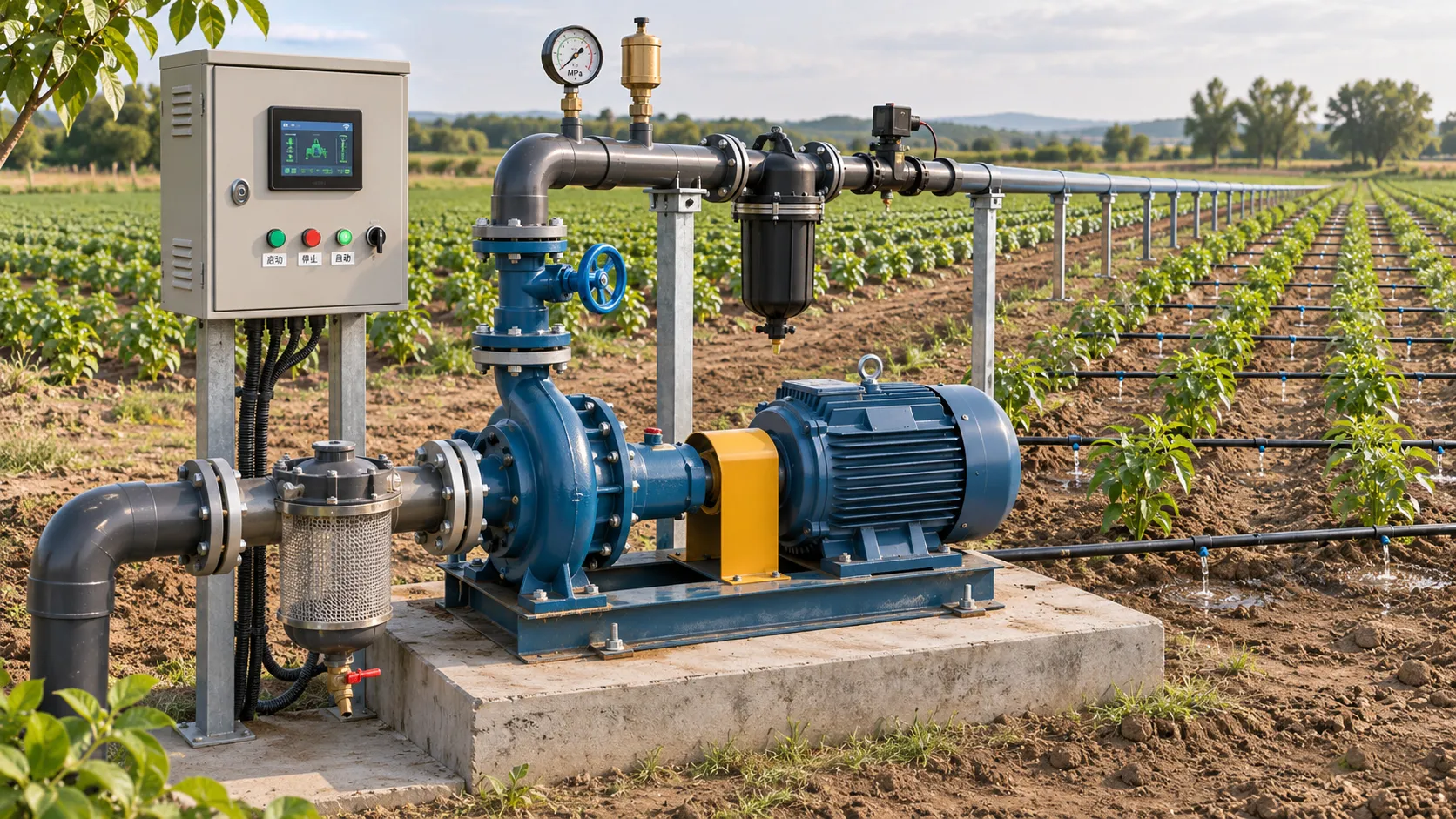
Explore resource-saving standards Europe applies to products, from ecodesign and energy labels to irrigation equipment. Find out which EU rules apply.
Related News
- 00
0000-00
AED and NAEDA Propose Merger to Combine North American Dealer Resources - 00
0000-00
US Farm Equipment Sales Fall: Tractors Down 25.3%, Combines Down 10% - 00
0000-00
Agromek 2026 Opens in Herning with 530 Exhibitors - 00
0000-00
DEUTZ-FAHR 7 Series TTV to Feature FPT N67 Engine at EIMA 2026 - 00
0000-00
Philippines Agriculture Department and FAO Explore Smart Farming
0000-00
Popular Tags
Dr. Alistair Vaughn
Weekly Insights
Stay ahead with our curated technology reports delivered every Monday.