Hunan Ratoon Rice Farm Demonstrates Unmanned and Low-Staff Operations
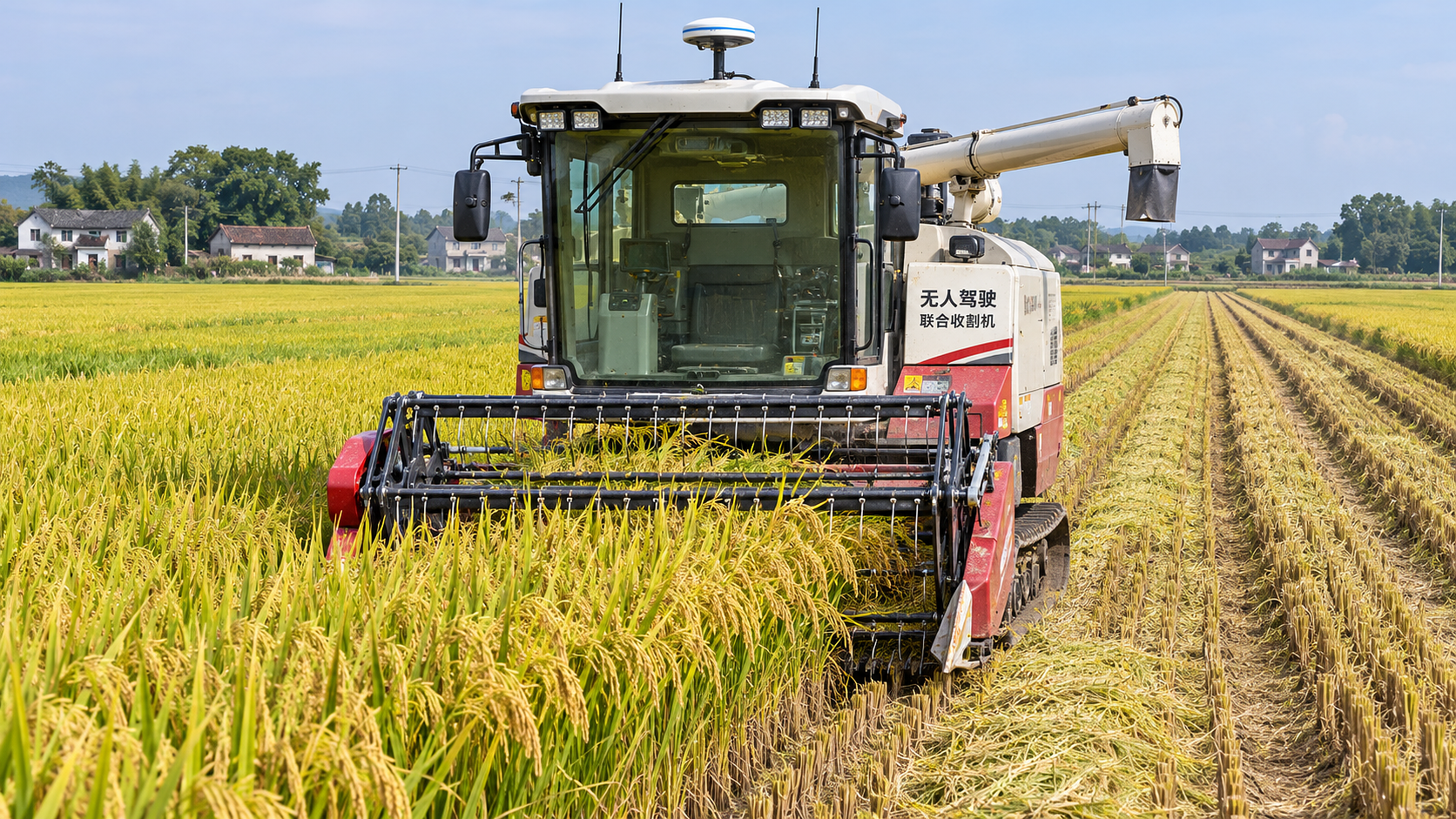




A smart ratoon rice farm in Datonghu District, Yiyang, Hunan Province, has put unmanned and low-staff operations to work across its farming process, from cultivation and planting to field management, harvesting and drying. The farm combines crop and variety management, machinery guided by the BeiDou navigation system, and a digital management platform.
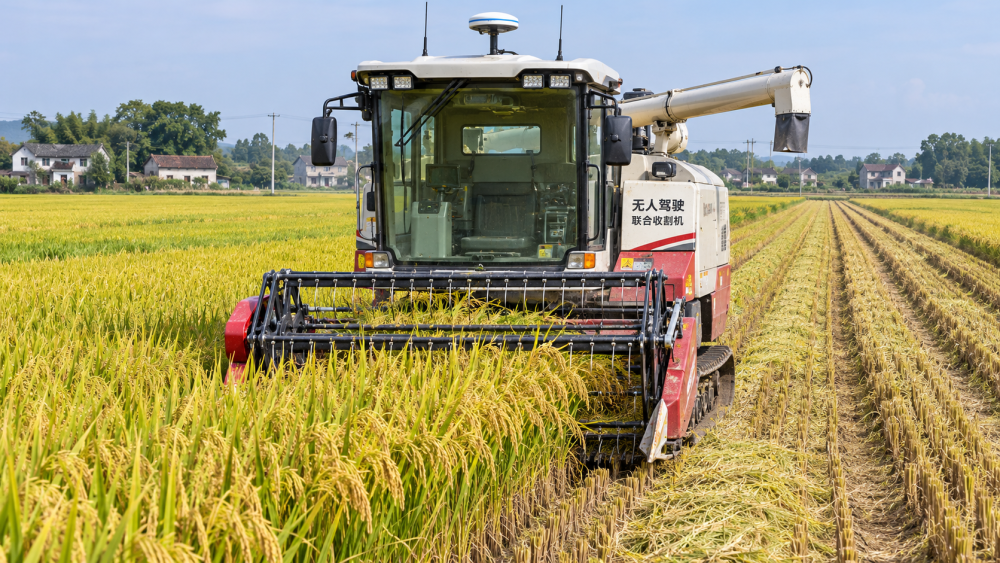
One example is harvesting: an operator can issue a command from an office, after which a combine harvester carries out the cutting operation automatically. The application shows how remote instructions, navigation-enabled machinery and digital management can be brought together in a working farm setting.
What the integrated approach means
The farm’s approach links three elements: agronomic practices and crop varieties, navigation-enabled equipment, and a platform for digital management. Their combination matters because a farming operation involves more than moving a machine through a field. Work must also be organized around the crop and coordinated across successive stages, including harvest and drying.
The reported coverage of the full process is therefore broader than the automated combine example alone. It indicates that unmanned or low-staff methods are being used across the stated stages, while the harvesting example illustrates how one operation can be initiated remotely. The description does not establish that every task at every stage proceeds without human involvement.
Where the application could have an effect
For farm operators, the immediate operational question is how well tasks can be coordinated when machinery is controlled through a digital platform. Remote commands may change where staff spend their time, shifting some attention from operating equipment in the field to organizing and overseeing work. The extent of that shift depends on how much supervision and intervention individual tasks require.
For machinery and platform providers, the case highlights the importance of connecting equipment with farm management processes. The combine example demonstrates one link between an office instruction and a field operation; applying a similar approach across other stages depends on how the relevant equipment and workflows are arranged.
The farm also illustrates why crop management remains part of the discussion. A system designed around ratoon rice must fit the needs of that production process as well as the capabilities of its machines. Whether the same combination can be applied elsewhere would depend on local farming conditions, equipment compatibility and the level of support needed during operation.
Further operational information could clarify how staffing needs, reliability and coordination change across the full cycle. For now, the clearest development is the integration of crop management, BeiDou-guided machinery and digital control in a ratoon rice farm, with automated harvesting providing a concrete example of how the system works.
Related News
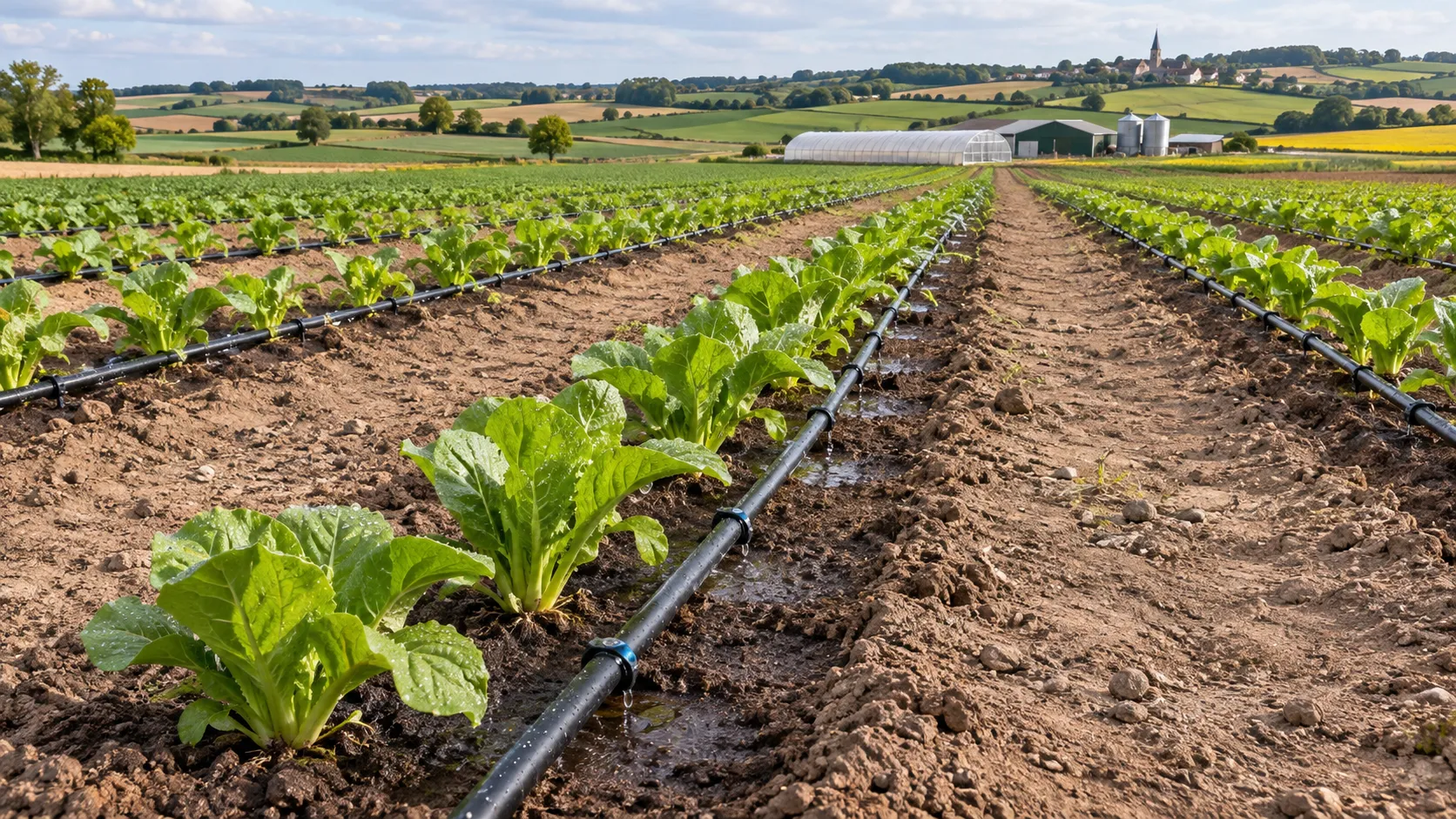
Orbia Netafim Introduces New Regional Model to Accelerate Western European Growth
Orbia Netafim introduces a new Western European regional model. Discover how it aims to improve irrigation services and supply chain responsiveness.
AED and NAEDA Propose Merger to Combine North American Dealer Resources
AED and NAEDA propose a merger to combine dealer resources across North America. Explore what the member vote could mean for benefits and representation.
Choosing Large-Scale Agricultural Machinery for Farm Size and Crop Needs
Choose large scale agricultural machinery with confidence. Compare field capacity, crop needs, soil impact, and ownership costs to find the right fit for your farm.
US Farm Equipment Sales Fall: Tractors Down 25.3%, Combines Down 10%
US farm equipment sales are falling, with tractors down 25.3% and combines down 10%. Explore what the figures could mean for buyers and suppliers.
Farm Machinery Hydraulic Specifications: Flow, Pressure and Lift Capacity
Compare farm machinery specifications: hydraulic system flow, pressure and lift capacity. Learn how to match implements and avoid costly compatibility issues.
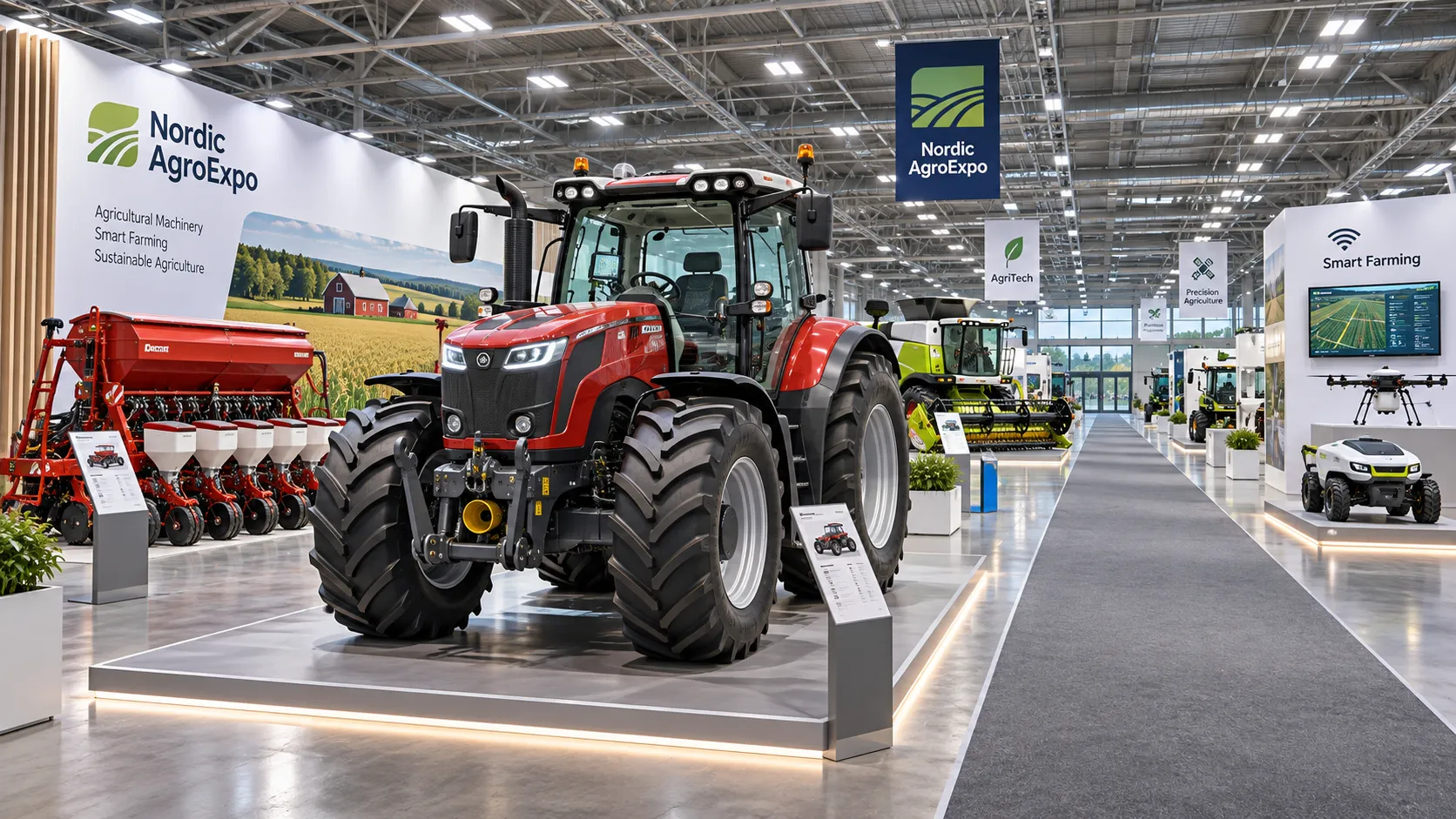
Agromek 2026 Opens in Herning with 530 Exhibitors
Agromek 2026 opens in Herning with 530 exhibitors. Explore agricultural machinery, smart equipment and sustainable farming technologies.
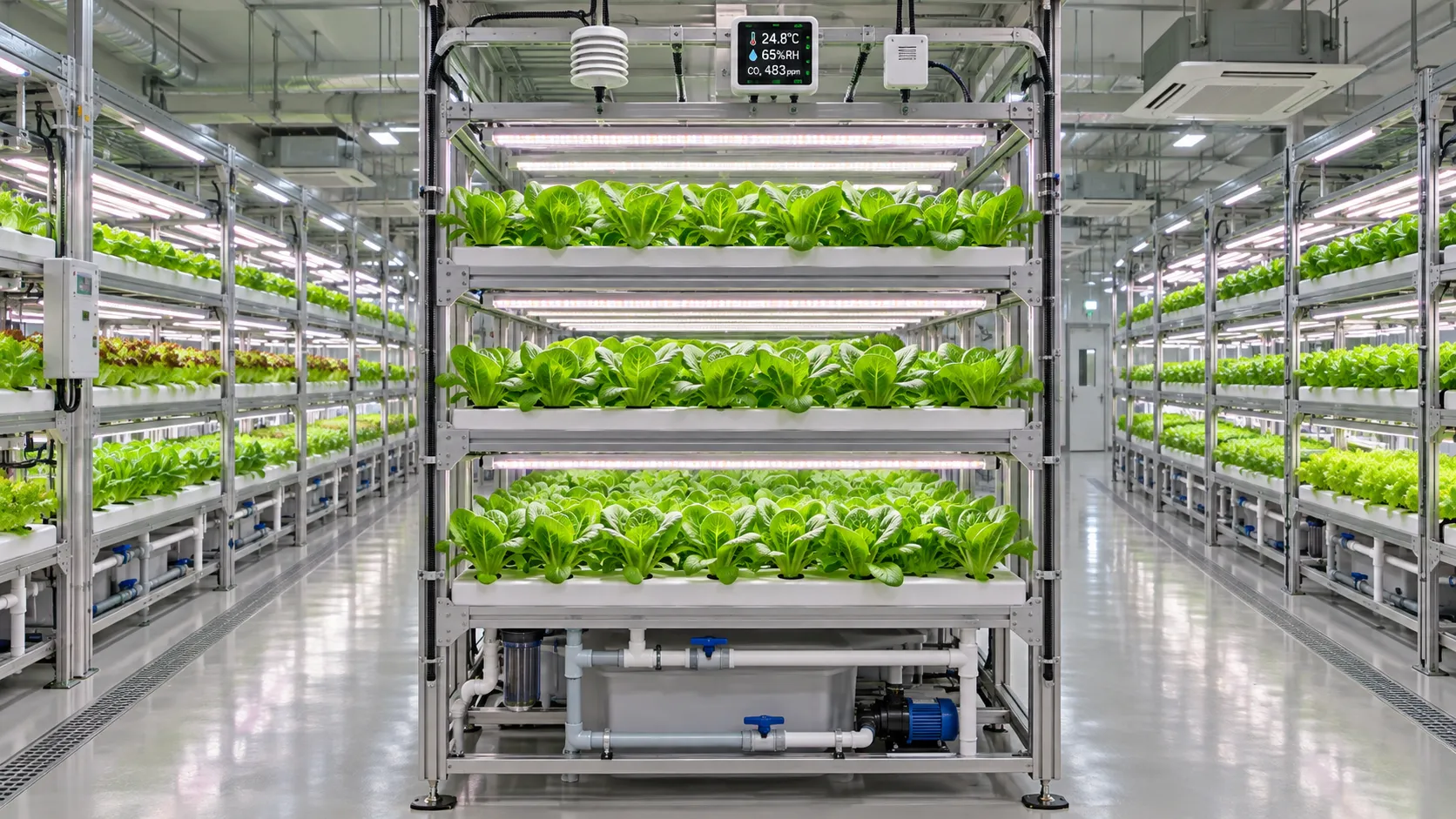
Guangming Daily Explores a Greener, More Resilient Future for Agriculture
Explore how agricultural technology, from AI and biotechnology to plant factories, could support greener, more resilient farming and inform smarter purchasing decisions.
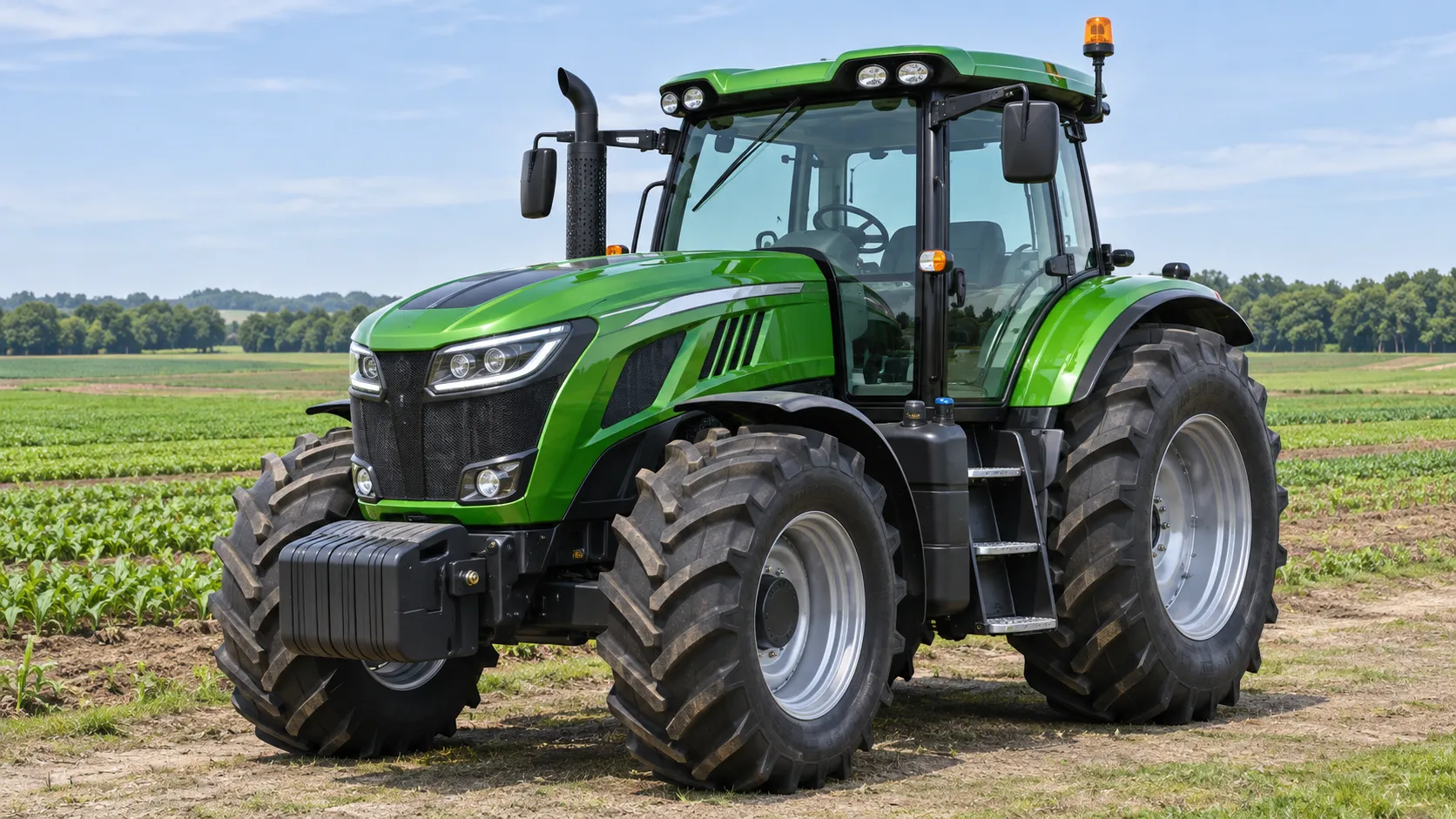
DEUTZ-FAHR 7 Series TTV to Feature FPT N67 Engine at EIMA 2026
DEUTZ-FAHR 7 Series TTV tractors will feature the FPT N67 engine at EIMA 2026. Explore the three-model range and its maximum output of 271 horsepower.
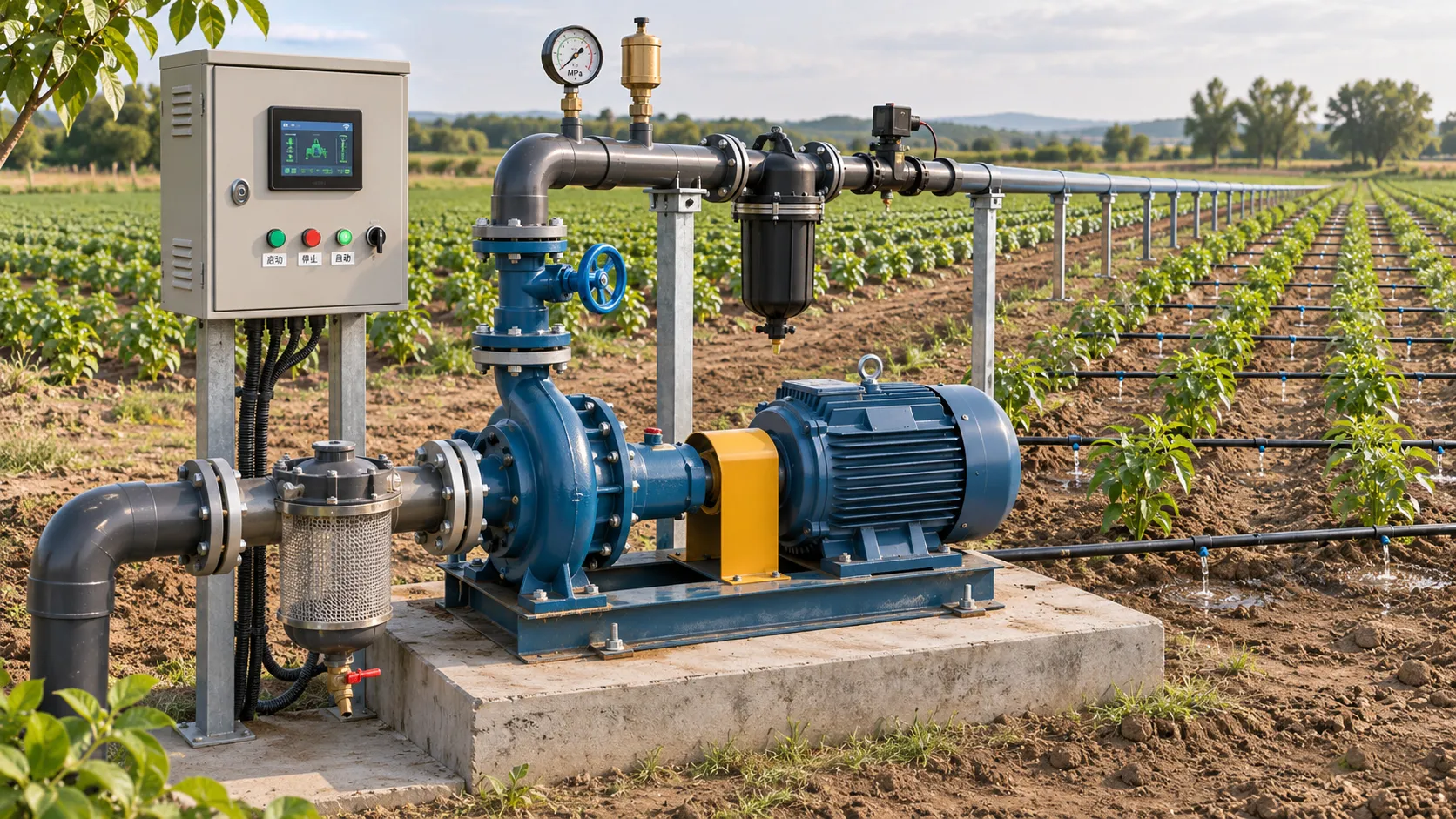
Resource-Saving Standards in Europe: Which EU Rules Apply to Products?
Explore resource-saving standards Europe applies to products, from ecodesign and energy labels to irrigation equipment. Find out which EU rules apply.
Related News
- 00
0000-00
AED and NAEDA Propose Merger to Combine North American Dealer Resources - 00
0000-00
US Farm Equipment Sales Fall: Tractors Down 25.3%, Combines Down 10% - 00
0000-00
Agromek 2026 Opens in Herning with 530 Exhibitors - 00
0000-00
DEUTZ-FAHR 7 Series TTV to Feature FPT N67 Engine at EIMA 2026 - 00
0000-00
Philippines Agriculture Department and FAO Explore Smart Farming
0000-00
Popular Tags
Dr. Alistair Vaughn
Weekly Insights
Stay ahead with our curated technology reports delivered every Monday.