US Farm Equipment Sales Fall: Tractors Down 25.3%, Combines Down 10%
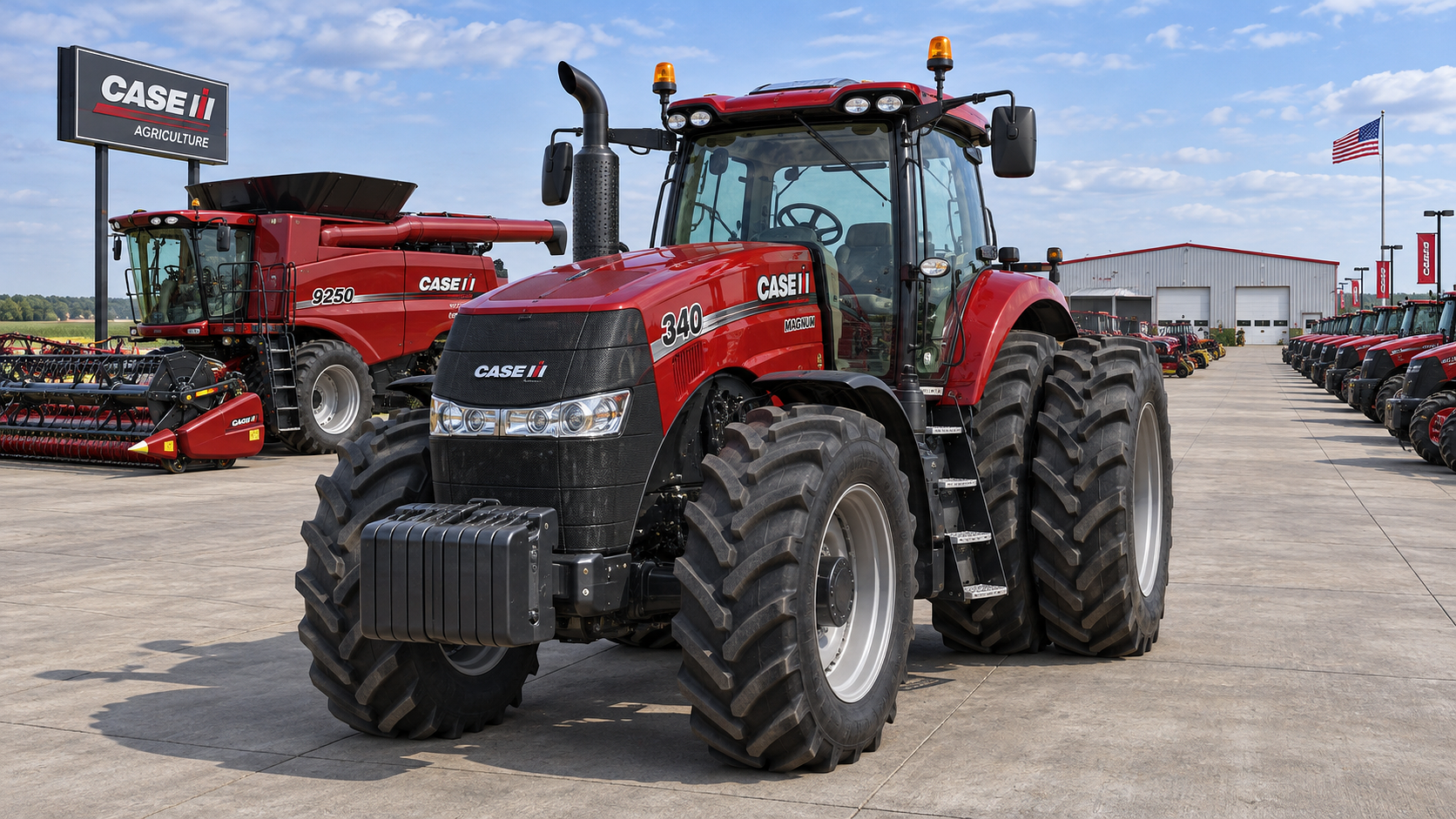




US tractor and combine sales have fallen compared with the same period in 2025, according to equipment sales data discussed by RealAg Radio host Shaun Haney and reported by RFDTV. The event date is not specified in the supplied information, and no policy, regulatory or trade rule change is identified. The figures nevertheless merit attention across farm equipment purchasing, manufacturing and distribution: they point to reduced equipment spending by farmers and raise practical questions about how businesses should interpret demand when planning orders and deliveries.
What the reported sales figures show
RFDTV reported that Haney discussed the latest equipment sales data from AEM. In the United States, tractor sales were down 25.3% compared with the same period in 2025, while combine harvester sales were down 10%. The figures reflect farmers reducing equipment expenditure. Canadian producers were also described as facing similar market pressure. The supplied information presents the data as evidence of continuing weak demand in the North American large farm equipment market.
Where weaker equipment demand could reach the supply chain
Manufacturers and component suppliers
From an industry perspective, lower equipment sales may affect how manufacturers and their suppliers assess production and purchasing plans. A business deciding how much capacity or material to commit could find that a prior sales assumption no longer matches the demand indicated by the reported figures. The different declines for tractors and combines also suggest that treating all equipment categories as if they were moving at the same rate could obscure important purchasing decisions.
These are potential implications, not reported changes in production or supplier orders. Manufacturers may wish to compare their own order information with the relevant equipment category before adjusting commitments. Suppliers in turn could review the timing and flexibility of purchase arrangements with customers, while checking whether any proposed change affects product specifications or supporting documentation.
Dealers and other distribution businesses
For businesses responsible for selling and delivering equipment, the reported declines may warrant closer attention to the relationship between customer enquiries, confirmed orders and stock commitments. If buying decisions take longer, a distributor could face greater uncertainty over when equipment will be needed and which models customers will select. The supplied information does not establish that such delays or inventory changes have occurred.
One practical response would be to review order terms and expected delivery dates with customers and suppliers before treating a forecast as a firm commitment. Where an order is revised, the parties could also check whether the change affects the agreed equipment configuration, documentation or handover arrangements. These are commercial checks, not new requirements announced in the reported data.
Farm buyers and service providers
The figures indicate reduced farmer spending on equipment, but they do not explain individual purchasing decisions. Analysis suggests that buyers assessing a tractor or combine purchase may place greater weight on the timing of the investment and on the equipment's suitability for their needs. They may also compare a new purchase with continued use of existing machinery, subject to their own operating circumstances.
For service providers, changes in purchasing choices could alter the timing or nature of customer enquiries. The sales data alone do not establish an increase in repair demand or a change in service obligations. Providers may nevertheless find it useful to discuss expected support needs with customers when equipment purchases or replacement plans are reconsidered.
How businesses can test their purchasing and delivery assumptions
Separate the reported categories
The 25.3% tractor decline and 10% combine decline provide two distinct signals. Businesses can use them as prompts to review the categories relevant to their own operations, rather than applying either figure to every product or customer group. The supplied summary does not provide a detailed breakdown by model, buyer or location, so it cannot establish where an individual company will experience the greatest pressure.
When comparing internal orders with the reported figures, businesses should check that the periods and product definitions are comparable. This matters because the supplied information states a comparison with the same period in 2025 but does not identify the precise reporting period. A mismatch in timing or scope could make an apparent difference difficult to interpret.
Review commitments before changing orders
Procurement teams may wish to examine which orders are confirmed, which remain forecasts and what flexibility exists in their agreements. A review of lead times, quantities and delivery expectations could help identify decisions that depend most heavily on uncertain demand. Where changes are being considered, direct discussion with suppliers and customers may clarify the commercial consequences before either party revises a commitment.
The report does not say that suppliers have changed delivery terms or that buyers have cancelled orders. Any adjustment should therefore be based on the business's own contracts and current information. In particular, an industry-wide percentage decline does not by itself establish the right order quantity for an individual company.
Keep equipment and transaction records aligned
If a customer changes a planned purchase, the relevant parties may need to check that quotations, orders, equipment specifications and delivery documents remain consistent. This is a practical way to reduce uncertainty about what has been agreed, especially where the timing or configuration of an order changes. The supplied information does not identify a new documentation rule, certification requirement or testing obligation.
Businesses considering an alternative product or a revised configuration could verify that it meets the buyer's stated needs and any requirements applicable to the transaction. Such verification should be grounded in the actual order and the requirements that apply to it; the reported sales figures themselves do not create a new compliance obligation.
Watch both US and Canadian market signals
The input identifies falling US equipment sales and similar pressure on Canadian producers, but it does not provide a Canadian percentage or describe how individual businesses are responding. Companies active in either market may therefore benefit from reviewing local customer feedback and order information separately, while avoiding the assumption that the US declines apply at the same rate in Canada.
For cross-border transactions, a business could check its existing order, delivery and documentation arrangements when demand assumptions change. No change to trade rules or border procedures is identified in the supplied information, so any transaction-specific issue would need to be verified against the applicable requirements and commercial documents.
A demand signal with limits, not a new rule
At this stage, it is more appropriate to understand the report as a market demand signal than as evidence that a policy, standard, certification requirement or trade rule has changed. The percentages describe sales movements in the stated comparison; they do not explain every cause of lower spending or establish how long the weakness will last. The unspecified event date and reporting period also limit how precisely the figures can be placed in a purchasing timeline.
Further information that could improve interpretation includes the precise period covered, the scope of the equipment categories and subsequent sales releases. Industry feedback and businesses' own order experience could help show whether the reported weakness is reflected in particular transactions. Any later claim of a rule or compliance change would need separate verification through the relevant source.
Planning around an incomplete demand picture
The reported declines give equipment businesses and buyers a reason to revisit assumptions about tractor and combine demand. They do not, on their own, establish changes to production schedules, delivery terms or regulatory obligations. A measured response is to distinguish confirmed orders from forecasts, review category-specific exposure and keep purchase and delivery records aligned with actual agreements.
For now, the figures are best treated as evidence to be considered alongside a company's own information and subsequent reporting. The direction and practical effect of demand will require continued observation, particularly because the available summary does not specify when the reported event occurred or provide the full reporting period.
Basis for the figures and what remains to be checked
This article is based on the user-provided news title, event-time information and event summary. The summary attributes the discussion of AEM equipment sales data to RealAg Radio host Shaun Haney and identifies RFDTV as the reporting outlet. A specific official source link was not provided in the input, so the underlying figures and their reporting period should be verified as further source material becomes available.
Relevant material for follow-up could include the underlying industry association data and authoritative media reporting, as well as later industry feedback and company order information. If a policy, certification or trade issue is subsequently raised, the applicable official publication or transaction document should be checked separately. No such change is confirmed by the information supplied for this article.
Related News
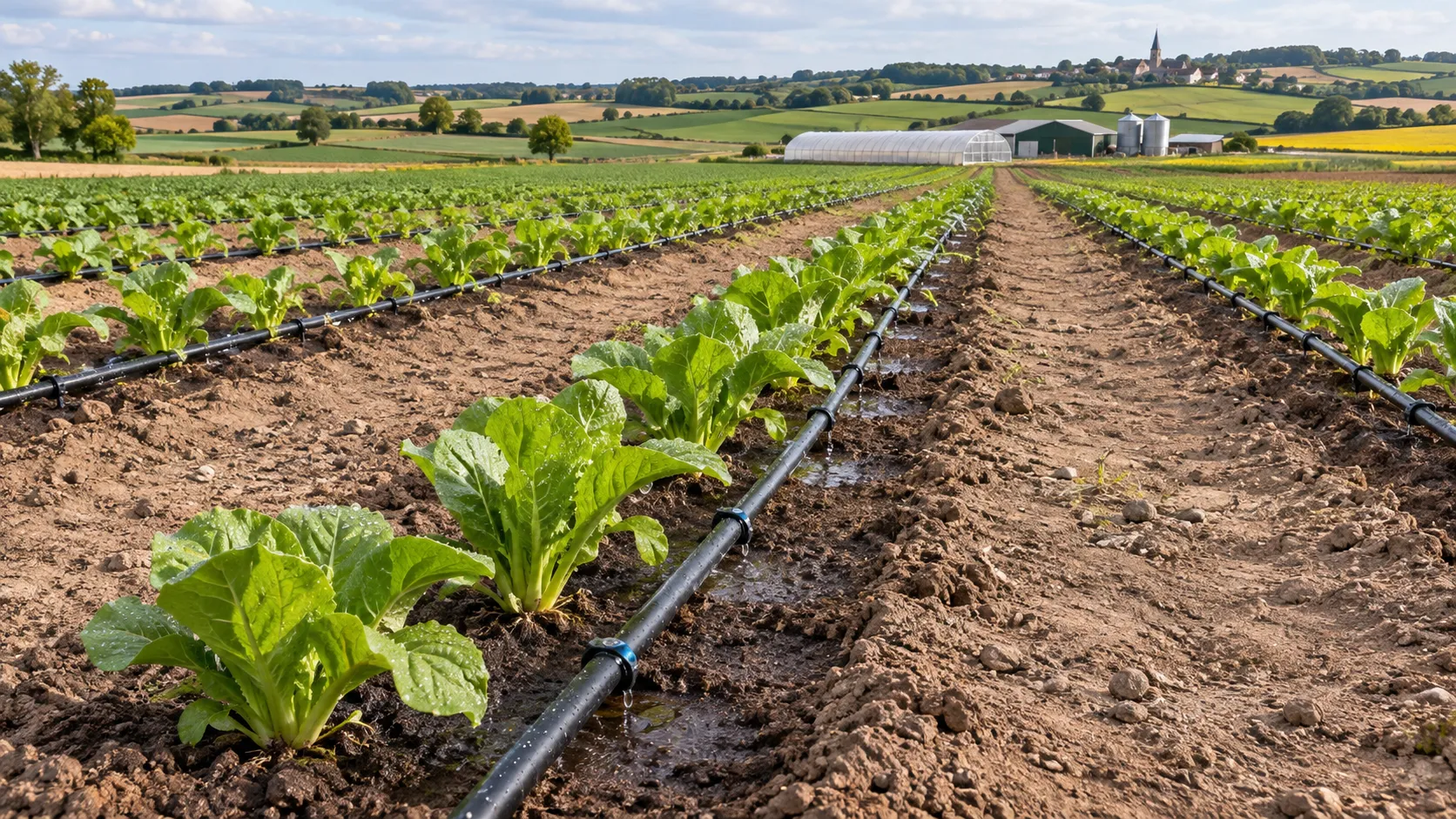
Orbia Netafim Introduces New Regional Model to Accelerate Western European Growth
Orbia Netafim introduces a new Western European regional model. Discover how it aims to improve irrigation services and supply chain responsiveness.
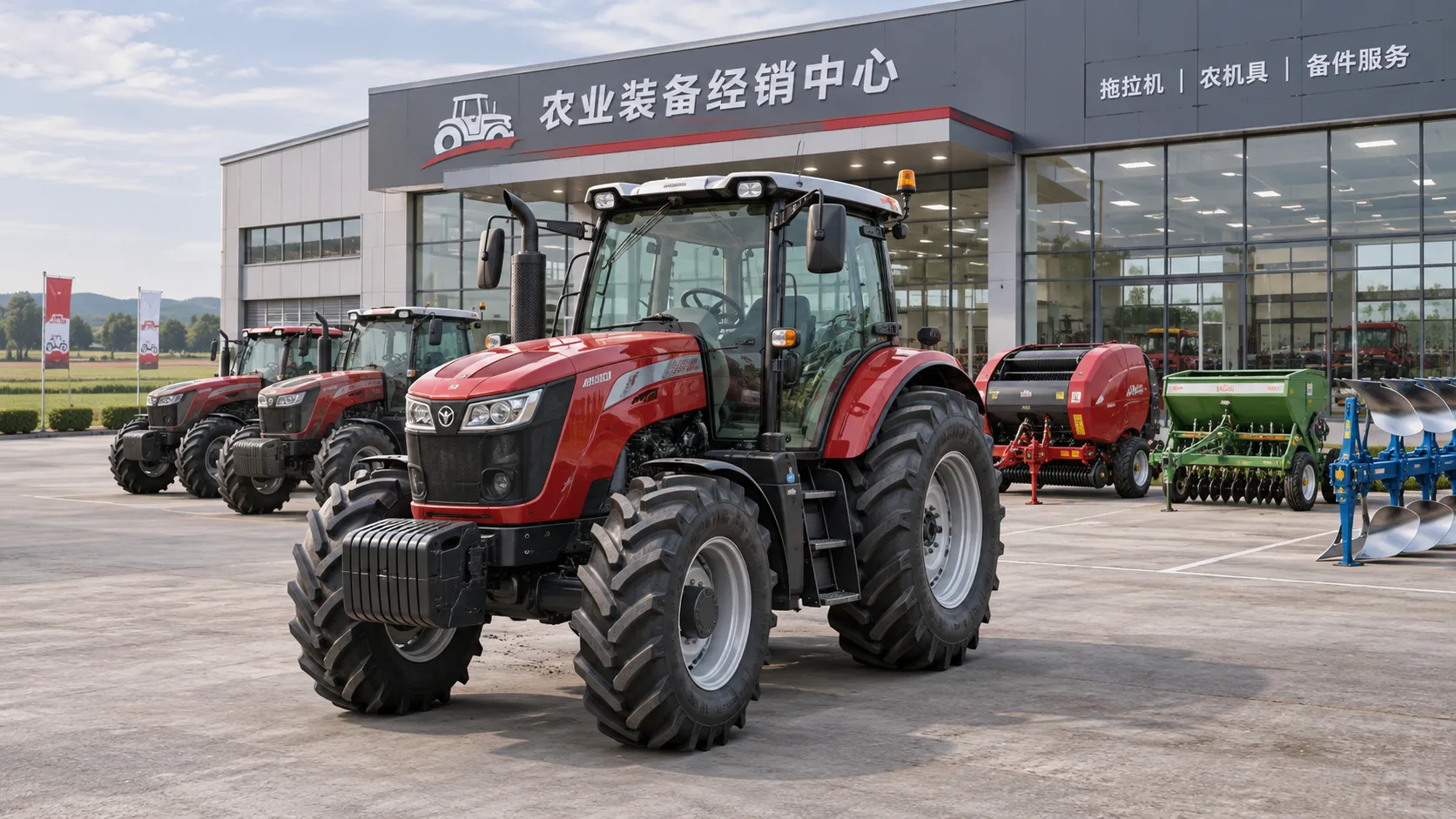
AED and NAEDA Propose Merger to Combine North American Dealer Resources
AED and NAEDA propose a merger to combine dealer resources across North America. Explore what the member vote could mean for benefits and representation.
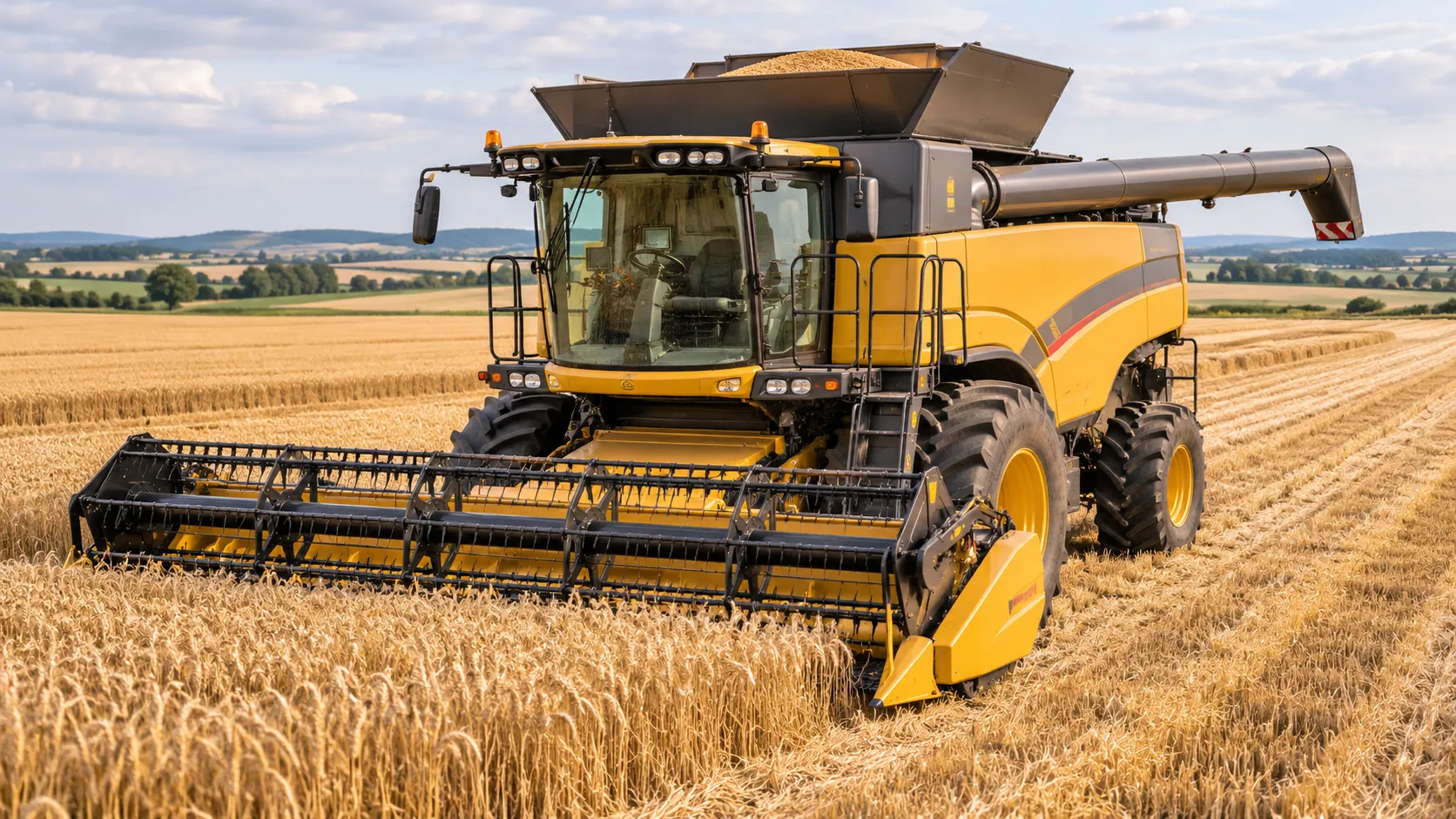
Choosing Large-Scale Agricultural Machinery for Farm Size and Crop Needs
Choose large scale agricultural machinery with confidence. Compare field capacity, crop needs, soil impact, and ownership costs to find the right fit for your farm.
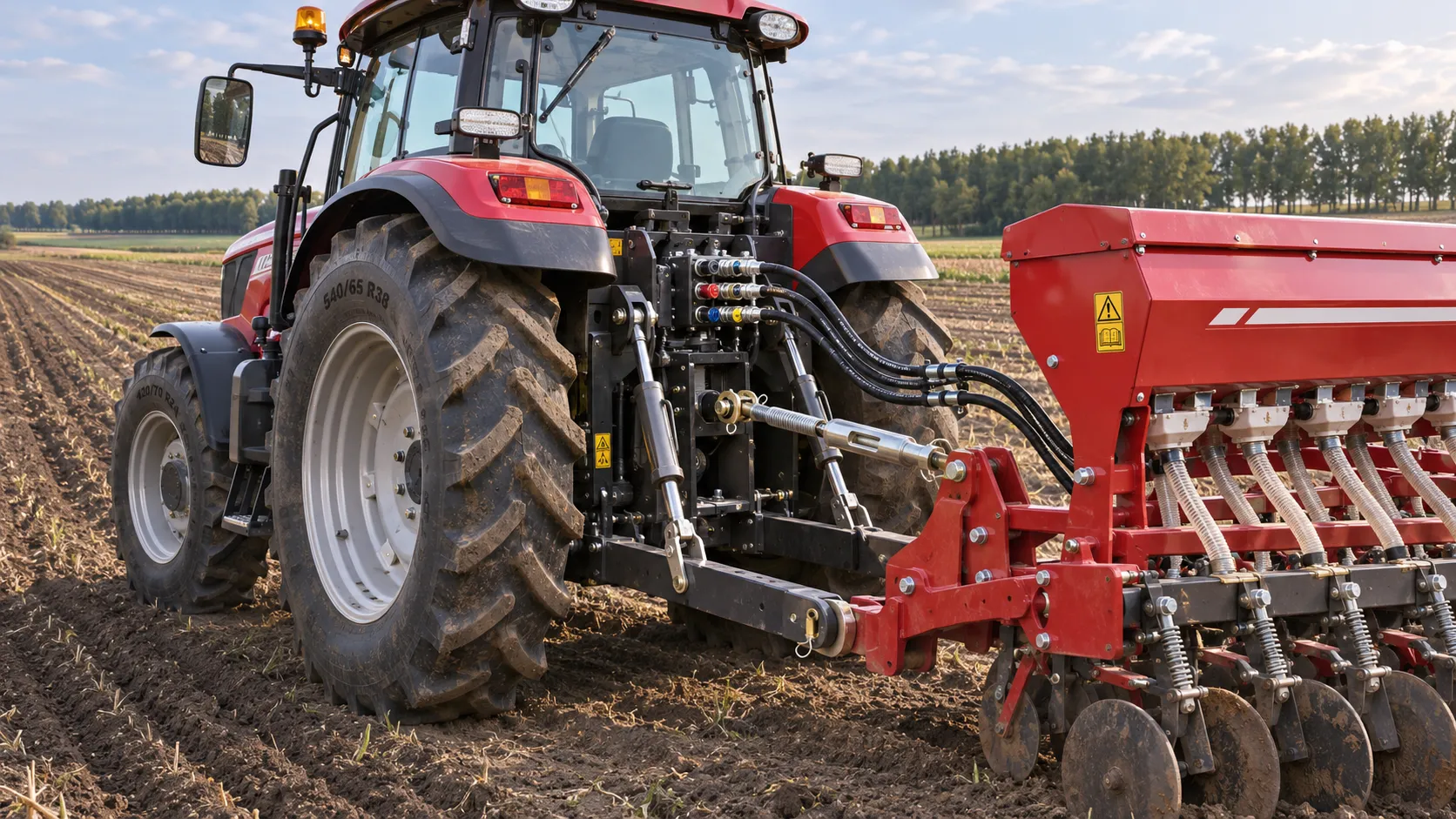
Farm Machinery Hydraulic Specifications: Flow, Pressure and Lift Capacity
Compare farm machinery specifications: hydraulic system flow, pressure and lift capacity. Learn how to match implements and avoid costly compatibility issues.
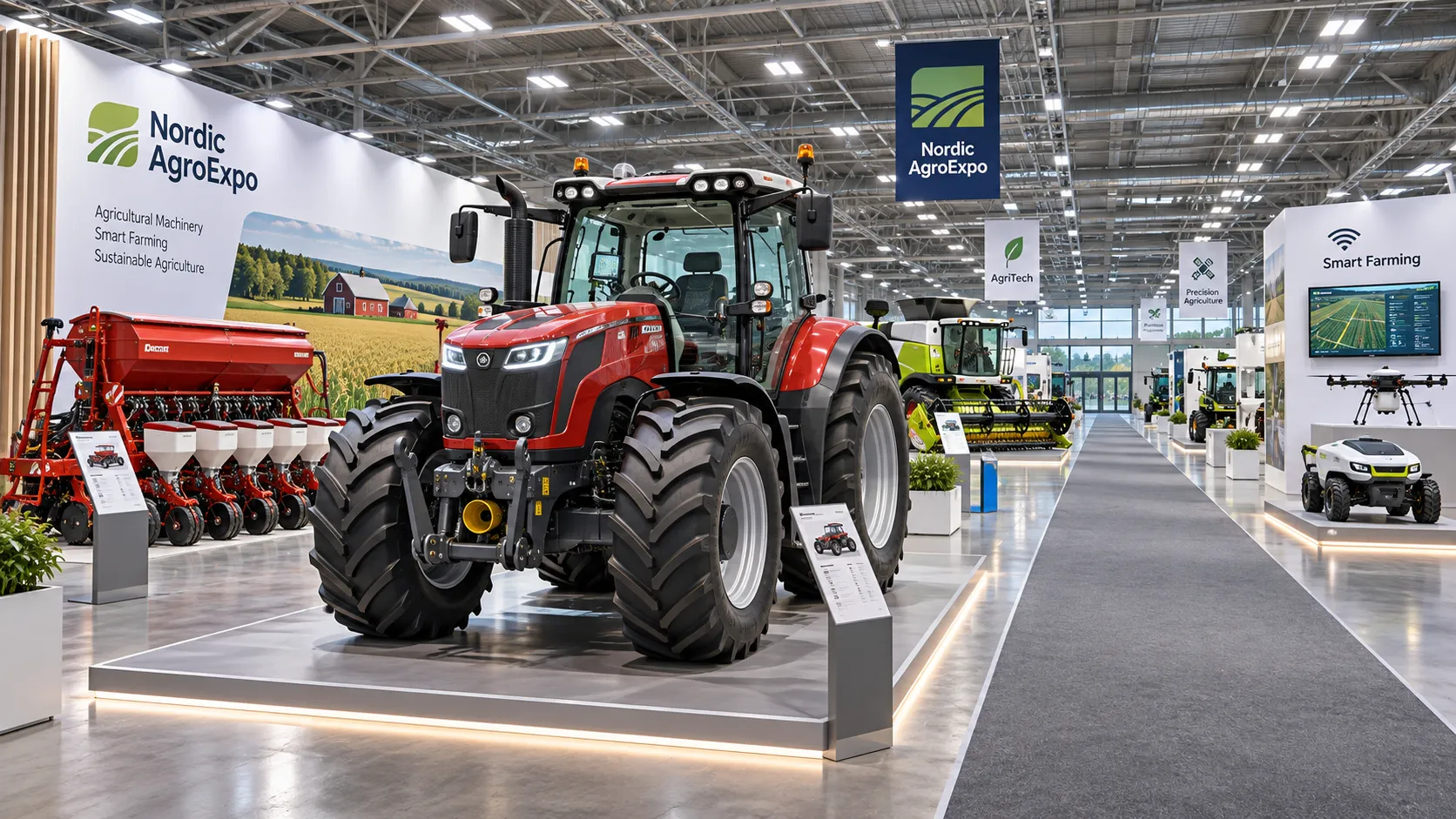
Agromek 2026 Opens in Herning with 530 Exhibitors
Agromek 2026 opens in Herning with 530 exhibitors. Explore agricultural machinery, smart equipment and sustainable farming technologies.
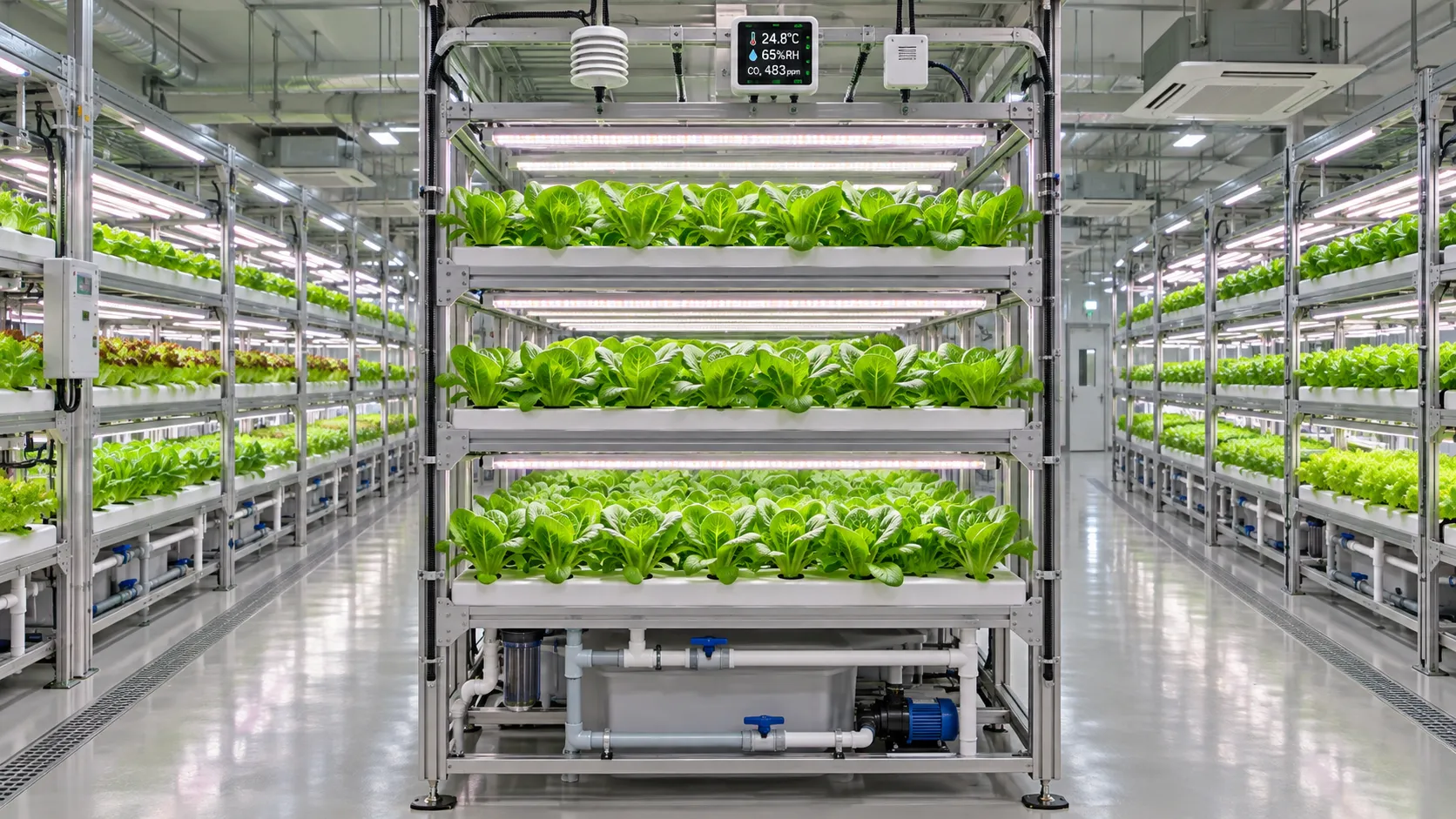
Guangming Daily Explores a Greener, More Resilient Future for Agriculture
Explore how agricultural technology, from AI and biotechnology to plant factories, could support greener, more resilient farming and inform smarter purchasing decisions.

DEUTZ-FAHR 7 Series TTV to Feature FPT N67 Engine at EIMA 2026
DEUTZ-FAHR 7 Series TTV tractors will feature the FPT N67 engine at EIMA 2026. Explore the three-model range and its maximum output of 271 horsepower.
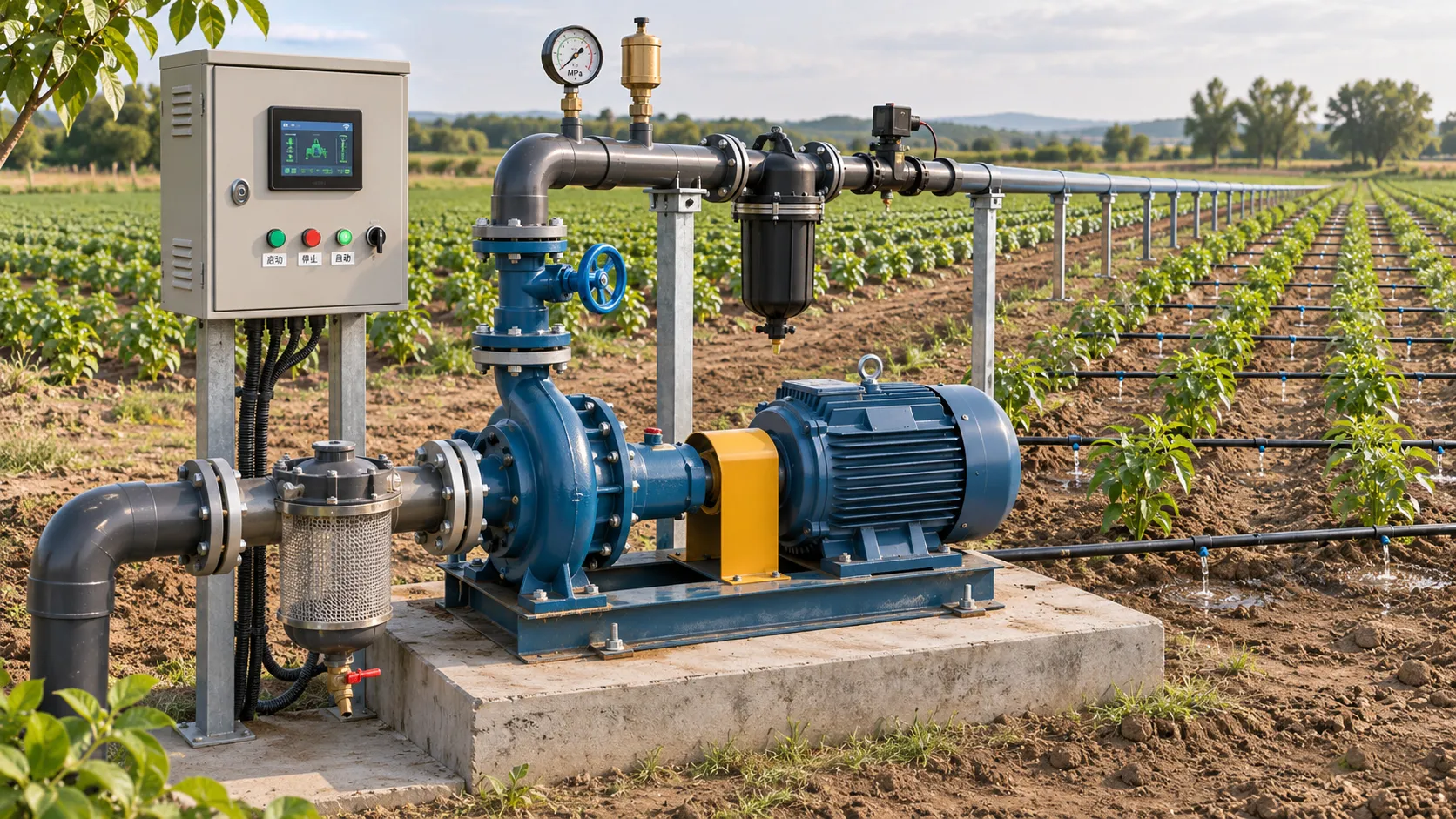
Resource-Saving Standards in Europe: Which EU Rules Apply to Products?
Explore resource-saving standards Europe applies to products, from ecodesign and energy labels to irrigation equipment. Find out which EU rules apply.
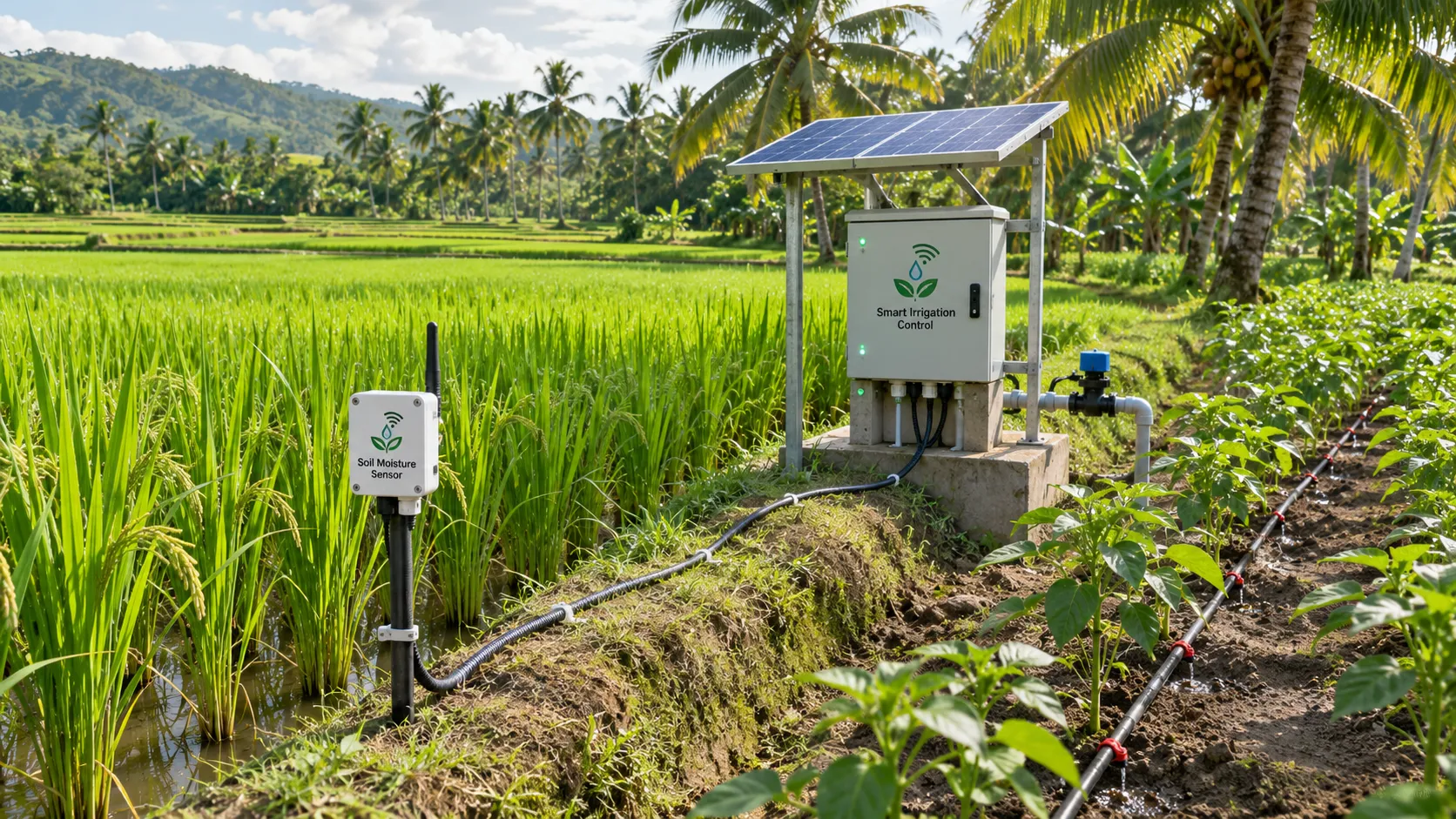
Philippines Agriculture Department and FAO Explore Smart Farming
Smart farming in the Philippines: discover how the Department of Agriculture and FAO are exploring integrated technologies to improve efficiency and food sovereignty.
Related News
- 00
0000-00
AED and NAEDA Propose Merger to Combine North American Dealer Resources - 00
0000-00
US Farm Equipment Sales Fall: Tractors Down 25.3%, Combines Down 10% - 00
0000-00
Agromek 2026 Opens in Herning with 530 Exhibitors - 00
0000-00
DEUTZ-FAHR 7 Series TTV to Feature FPT N67 Engine at EIMA 2026 - 00
0000-00
Philippines Agriculture Department and FAO Explore Smart Farming
0000-00
Popular Tags
Dr. Alistair Vaughn
Weekly Insights
Stay ahead with our curated technology reports delivered every Monday.