AED and NAEDA Propose Merger to Combine North American Dealer Resources





The Associated Equipment Distributors (AED) and the National Agricultural Equipment Dealers Association (NAEDA) are advancing a merger proposal that could reshape representation and services for agricultural equipment dealers across North America. The event date is not specified in the information provided. The proposal requires member approval, and both organizations say member benefit programs would remain unchanged after a merger. For dealers and their business partners, the development is worth following as a potential change in association representation and service arrangements, rather than as an enacted regulation or trade rule.
Member Approval Stands Between the Proposal and a Merger
AED and NAEDA are pursuing a proposal to merge and combine the strengths and resources of the two organizations. They have said that member benefit programs would remain unchanged following a merger. The proposal must be approved by a member vote before it can proceed.
The information provided does not specify when the event occurred. It also does not give a voting date, the terms of the proposed merger, or details of how the organizations would combine their resources. The possible reshaping of dealer representation and the service network therefore remains contingent on member approval.

Where a Combined Association Could Reach the Equipment Chain
Dealer representation and access to services
From an industry perspective, the most direct potential effect concerns dealers that rely on either association for representation or member services. Combining resources could change how the associations organize their work and communicate with members, even though the stated position is that benefit programs would remain unchanged. The input does not establish whether any particular service channel, contact point, administrative process, or representation arrangement would change.
Dealers may therefore find it useful to distinguish the promise about benefit programs from questions about how services would be delivered. A program can retain its stated benefits while the organization responsible for administering or communicating it is brought into a different structure. That is a possibility to assess, not a confirmed feature of this proposal. The member vote and any subsequent explanation of the combined organization would be more informative than assumptions based on the merger announcement alone.
Representation is another area for observation. If approved, a combined organization could bring the associations' resources together under a shared structure. What that would mean for the way dealers' interests are represented is not specified. Members may want to examine any future explanation of how they would raise concerns, receive information, or participate in the combined organization before drawing conclusions about the practical effect.
Manufacturers and suppliers working through dealers
Analysis suggests that businesses supplying agricultural equipment through dealer relationships could be indirectly affected if the proposed merger changes how dealers obtain association information or coordinate around shared concerns. A different association structure might also alter the point of contact for discussions involving dealer services. None of those outcomes is confirmed by the information provided.
For suppliers, the immediate practical question is whether any future association communication has implications for existing relationships with dealers. A merger of associations does not, on the available facts, establish a change to product specifications, certification, purchase contracts, or delivery obligations. Businesses should assess any later proposal on its own terms and avoid treating an association restructuring as an automatic change to commercial agreements.
Purchasers and service partners
Equipment purchasers and service partners may encounter indirect effects if dealers later adjust how they use association services or communicate information obtained through the combined organization. For example, the relevant issue could be whether a dealer's access to a member service remains clear during a transition. The input does not identify any change to equipment delivery, warranty arrangements, after-sales service, or customer documentation.
From an operational standpoint, purchasers and service partners can continue to assess their own agreements and communications with dealers. If the proposal advances, they may also wish to ask their business counterparts whether any association-related administrative change affects a service they rely on. Such questions are precautionary; they do not imply that an interruption or contractual change has been announced.
What Businesses Can Check While the Vote Is Pending
Clarify the scope of the benefit commitment
The associations' statement that member benefit programs would remain unchanged is a central detail for members. Dealers could compare that statement with the terms of the programs they currently use and watch for further explanations of how the commitment would apply after a merger. Useful questions include which organization would administer each program and how members would obtain support if contact arrangements changed.
The information supplied does not define the scope of individual benefits or describe a transition process. Until further details are available, dealers should treat questions about eligibility, administration, and service access as matters for verification, not as evidence that benefits will be reduced or expanded. Keeping current membership documents and relevant correspondence accessible would make later comparisons easier.
Follow the vote and the proposed governance details
Member approval is the identified condition for the merger. Businesses with an interest in the outcome can monitor communications from AED and NAEDA for the voting arrangements, the decision, and any description of the proposed combined structure. The input provides no voting timetable or approval result, so neither should be assumed.
Should further materials become available, members may want to examine how the proposal addresses representation and access to services. The practical significance will depend on the details members are asked to consider and, if the vote passes, on how the organizations implement their plans. A favorable vote would establish approval of the proposal; it would not by itself answer every operational question unless the approved materials address them.
Review business documents against actual changes
Dealers, suppliers, and purchasers can identify documents that refer to association membership or an association-provided service, then check any later announcements against those references. Depending on the business relationship, this may include membership records, service descriptions, or commercial correspondence. The purpose is to establish whether a particular document needs clarification if the proposal proceeds.
No change to certification requirements, trade rules, procurement conditions, or delivery documentation is stated in the input. Accordingly, there is no basis to revise those documents solely because a merger has been proposed. If a later communication identifies a relevant change, affected parties can evaluate its scope and timing against their own arrangements.
Keep dealer and partner communication specific
Analysis suggests that clear communication may help prevent a proposed organizational change from being mistaken for an immediate change in service. Dealers could explain to affected partners what is confirmed: a proposal is advancing, member approval is needed, and the associations say benefit programs would remain unchanged after a merger. Questions beyond those points can be recorded for follow-up as more information becomes available.
Where a business depends on a particular association service, it may be sensible to identify the relevant contact and ask how any future transition would be communicated. The input does not establish that a transition plan exists or that service continuity is at risk. The value of this preparation lies in knowing which questions matter to the business, rather than forecasting a disruption.
A Proposal That Signals Possible Change, Not an Implemented Rule
At this stage, the development is best understood as a proposed association restructuring awaiting a member decision. It is an industry governance and representation signal, not an announced law, regulation, certification standard, or trade measure. Its potential importance lies in the prospect of combining resources used to represent and serve equipment dealers, while the stated commitment on member benefits provides one point of reference for assessing the proposal.
Editorial analysis suggests that the vote outcome is necessary but may not be sufficient to assess the full business effect. The terms approved by members, any subsequent implementation information, and feedback from dealers could all influence how the proposal is understood in practice. If members do not approve it, the input gives no basis for predicting what the associations would do next.
Even if the merger is approved, the difference between a stated benefit commitment and the operational arrangements supporting it deserves attention. Businesses should look for specific explanations before concluding that a service, representation channel, or administrative process has changed. Equally, the absence of details in the supplied summary should not be treated as proof that a change is planned.
Reading the Merger Proposal in Business Context
The proposed AED and NAEDA merger could affect how North American agricultural equipment dealers are represented and served if members approve it. For now, the confirmed position is narrower: the associations are advancing a proposal, a member vote is required, and they say member benefit programs would remain unchanged after a merger.
A measured response is to follow the decision, review any published terms, and assess specific implications for membership and business relationships as evidence becomes available. The information provided does not establish an immediate change to compliance, trade, procurement, certification, or delivery requirements.
Basis for This Report and Points Still to Verify
This article is based on the user-provided news title, event-time information, and event summary. The event date was not specified, and no specific official source link was provided in the input. The proposal and any subsequent developments therefore require continued verification against association announcements or other reliable reporting when available.
Items to monitor include the voting arrangements and result, the terms of any approved merger, explanations of member benefit administration and representation, implementation details, and feedback from dealers and other affected businesses. Any future claim about procurement, certification, trade execution, or delivery should likewise be checked against the relevant published information and business documents.
Related News

Orbia Netafim Introduces New Regional Model to Accelerate Western European Growth
Orbia Netafim introduces a new Western European regional model. Discover how it aims to improve irrigation services and supply chain responsiveness.

Choosing Large-Scale Agricultural Machinery for Farm Size and Crop Needs
Choose large scale agricultural machinery with confidence. Compare field capacity, crop needs, soil impact, and ownership costs to find the right fit for your farm.
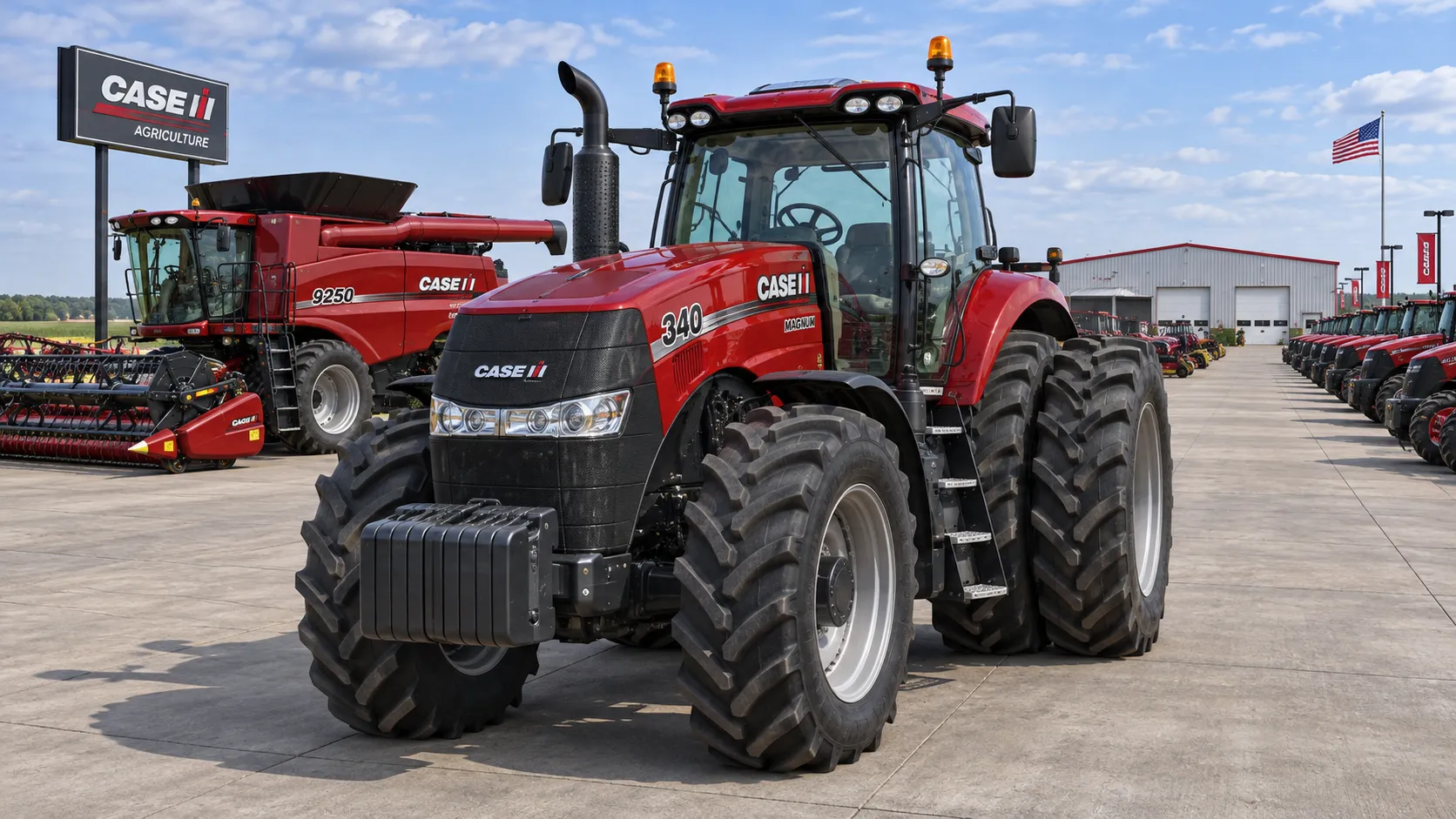
US Farm Equipment Sales Fall: Tractors Down 25.3%, Combines Down 10%
US farm equipment sales are falling, with tractors down 25.3% and combines down 10%. Explore what the figures could mean for buyers and suppliers.

Farm Machinery Hydraulic Specifications: Flow, Pressure and Lift Capacity
Compare farm machinery specifications: hydraulic system flow, pressure and lift capacity. Learn how to match implements and avoid costly compatibility issues.
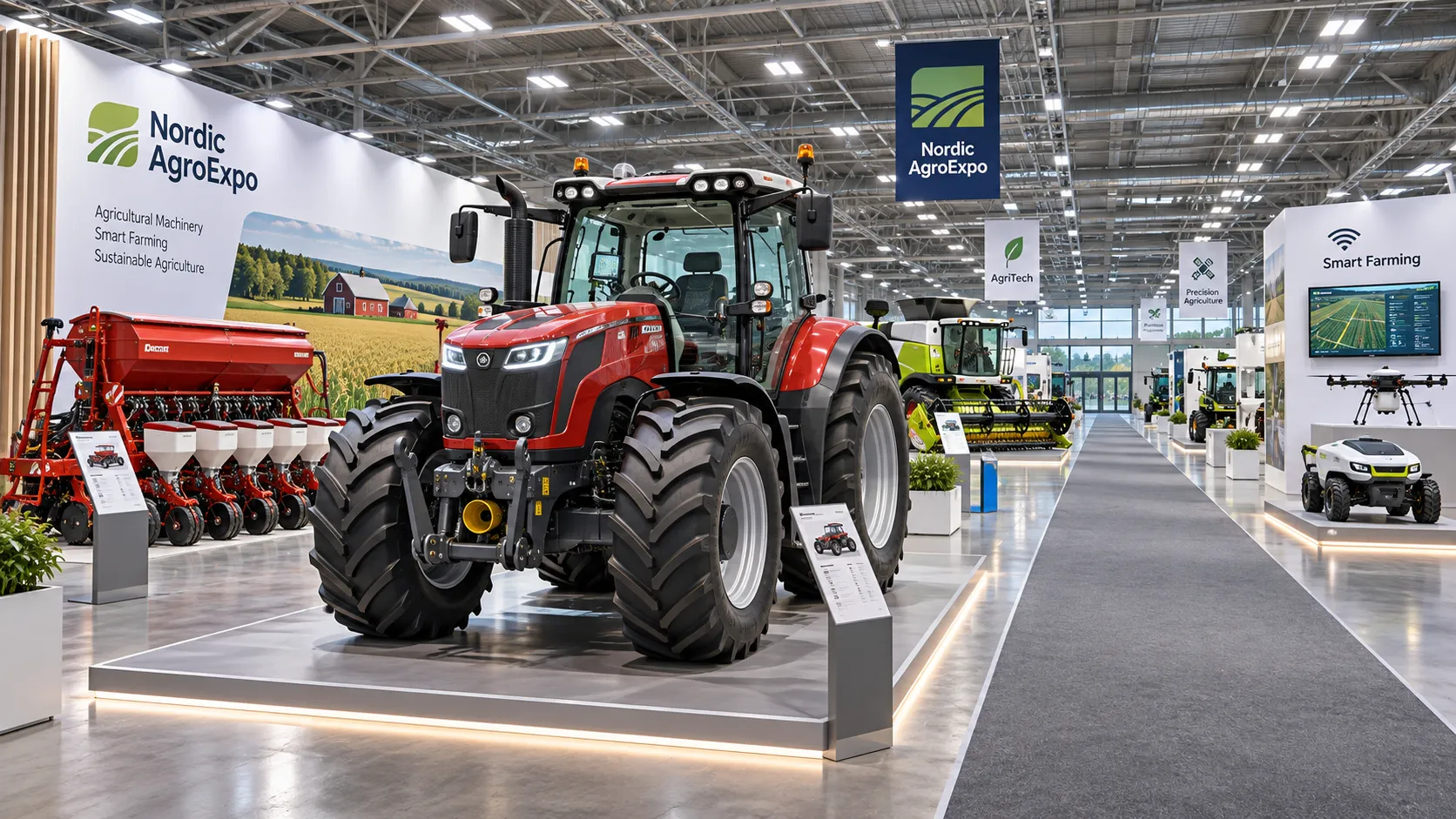
Agromek 2026 Opens in Herning with 530 Exhibitors
Agromek 2026 opens in Herning with 530 exhibitors. Explore agricultural machinery, smart equipment and sustainable farming technologies.
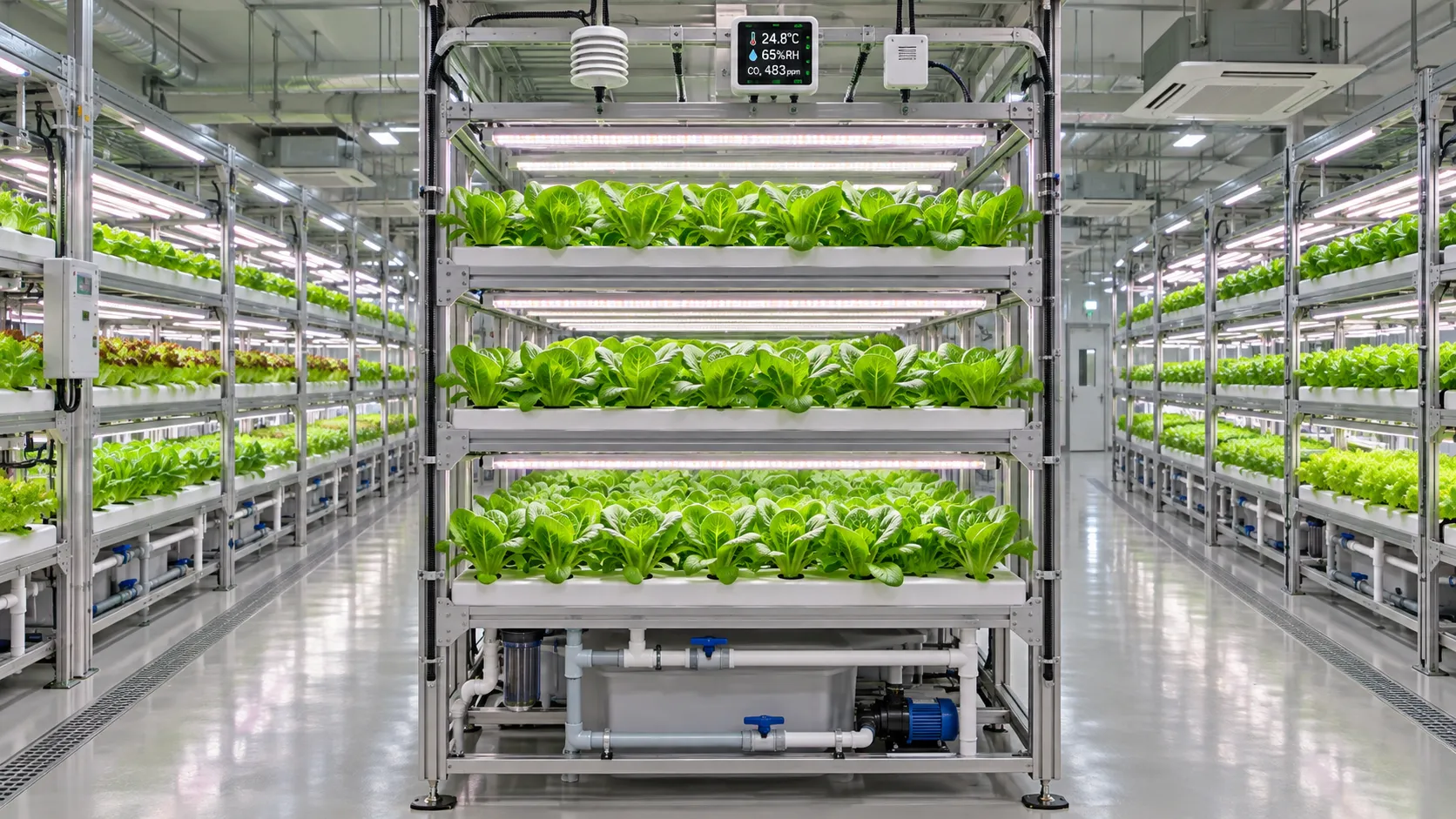
Guangming Daily Explores a Greener, More Resilient Future for Agriculture
Explore how agricultural technology, from AI and biotechnology to plant factories, could support greener, more resilient farming and inform smarter purchasing decisions.

DEUTZ-FAHR 7 Series TTV to Feature FPT N67 Engine at EIMA 2026
DEUTZ-FAHR 7 Series TTV tractors will feature the FPT N67 engine at EIMA 2026. Explore the three-model range and its maximum output of 271 horsepower.
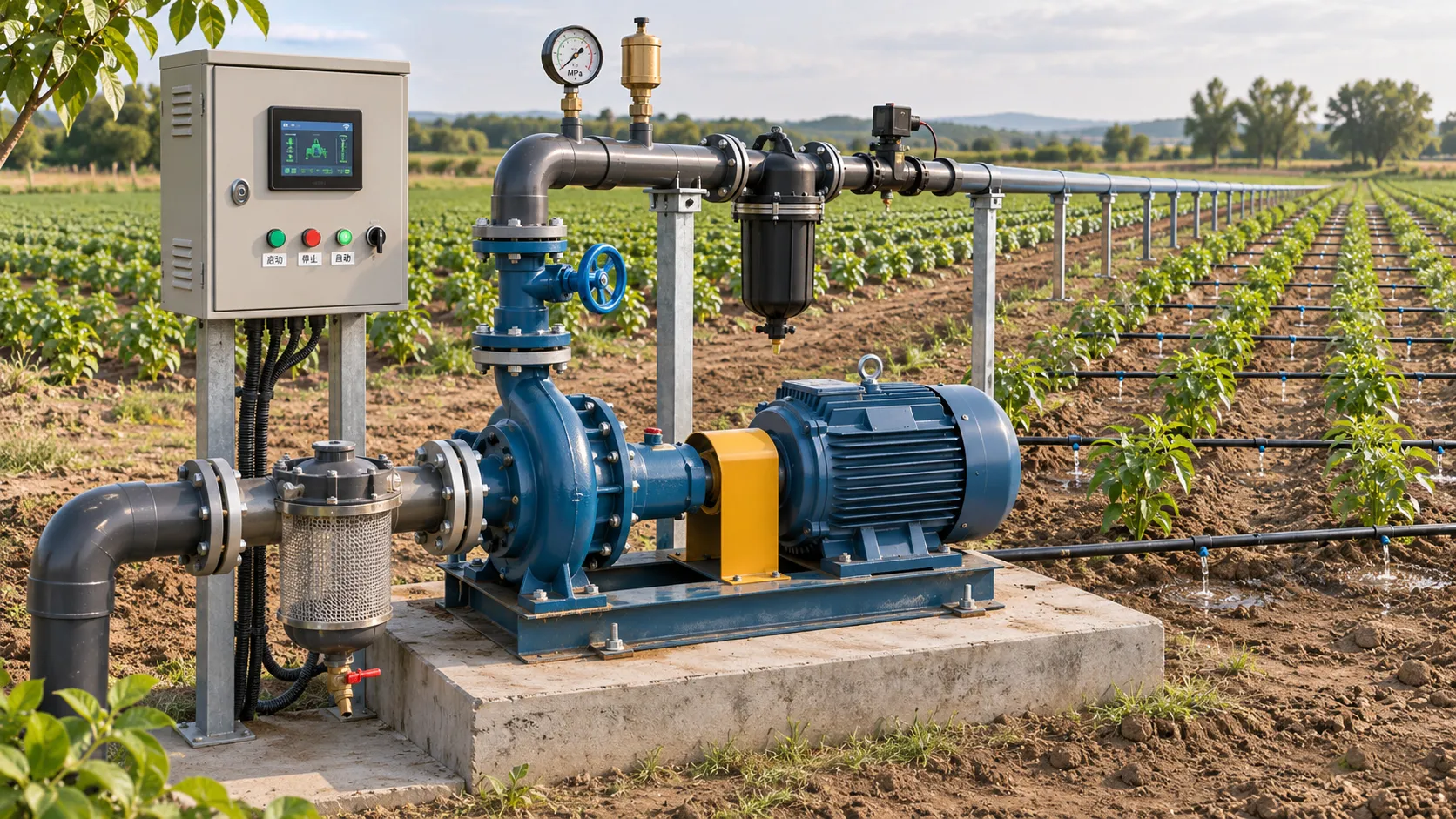
Resource-Saving Standards in Europe: Which EU Rules Apply to Products?
Explore resource-saving standards Europe applies to products, from ecodesign and energy labels to irrigation equipment. Find out which EU rules apply.
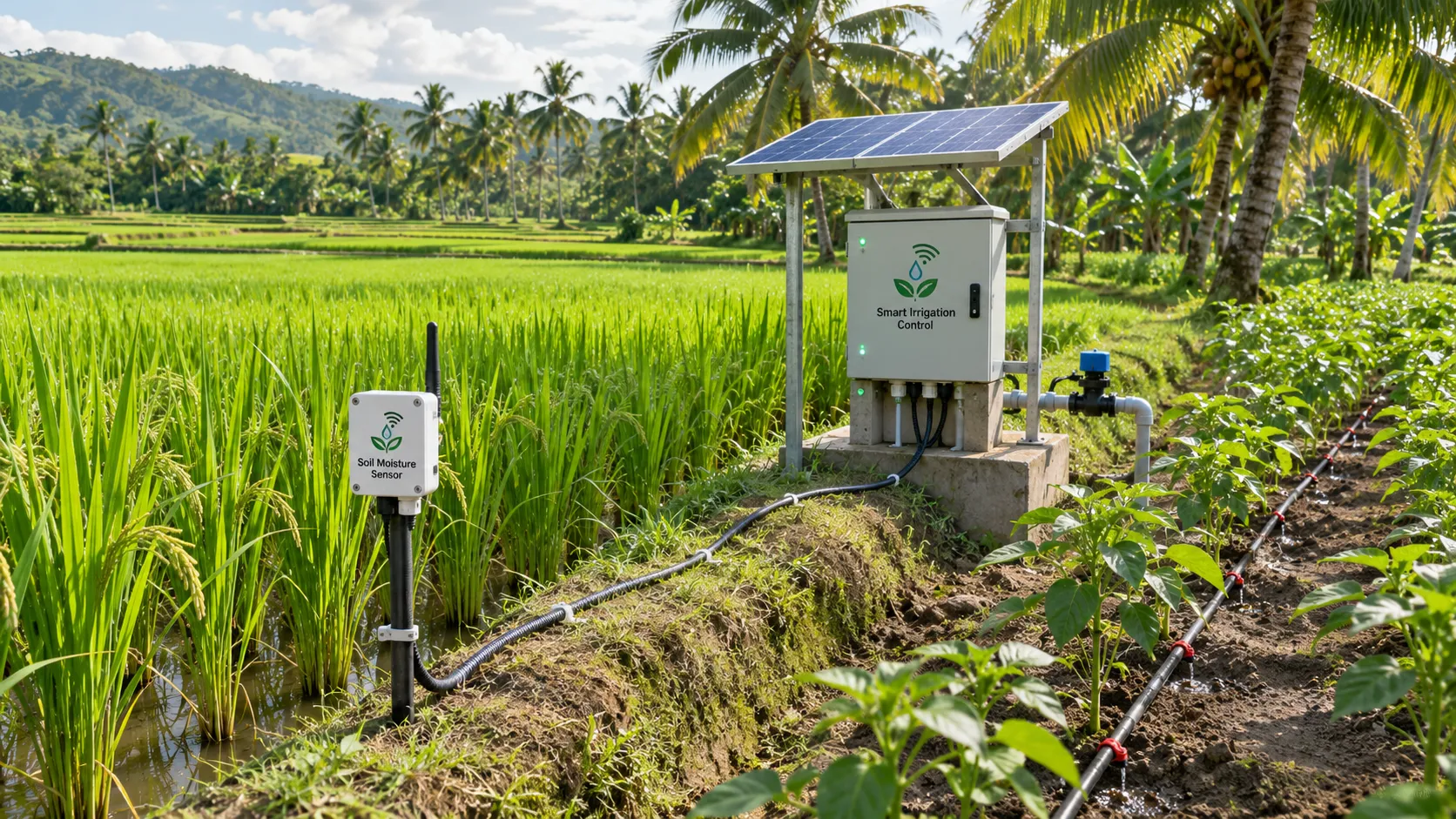
Philippines Agriculture Department and FAO Explore Smart Farming
Smart farming in the Philippines: discover how the Department of Agriculture and FAO are exploring integrated technologies to improve efficiency and food sovereignty.
Related News
- 00
0000-00
AED and NAEDA Propose Merger to Combine North American Dealer Resources - 00
0000-00
US Farm Equipment Sales Fall: Tractors Down 25.3%, Combines Down 10% - 00
0000-00
Agromek 2026 Opens in Herning with 530 Exhibitors - 00
0000-00
DEUTZ-FAHR 7 Series TTV to Feature FPT N67 Engine at EIMA 2026 - 00
0000-00
Philippines Agriculture Department and FAO Explore Smart Farming
0000-00
Popular Tags
Dr. Alistair Vaughn
Weekly Insights
Stay ahead with our curated technology reports delivered every Monday.