Choosing Large-Scale Agricultural Machinery for Farm Size and Crop Needs




The right large scale agricultural machinery is sized for the work that must be completed in the available field days, not for acreage alone. Start with the tightest planting or harvest window, estimate the effective capacity required, and then check whether the machine can deliver it in the farm’s actual fields and crop conditions. A larger machine may cover ground quickly but lose its advantage through transport constraints, soil damage, grain-handling delays, or excessive ownership cost.
Consider a farm where a wide implement looks suitable on total area but must work through short, irregular fields. Turning and moving between fields reduce its effective capacity, while extra weight may prevent timely operation on wet soil. The better choice is the configuration that meets the workload within acceptable agronomic limits and can be supported by the rest of the equipment system.
Turn acreage into a capacity requirement
Build the estimate around each time-sensitive operation rather than dividing total farm area by a machine’s advertised output. Record the area to be covered, the sequence of crops and fields, and the number of hours realistically available after allowing for weather, soil readiness, daylight, labor, maintenance, and competing tasks. Use a conservative operating window when a delay would materially affect establishment or harvest quality.
Required effective field capacity is the operation area divided by the available productive time. Compare that figure with capacity calculated from working width and field speed, adjusted for field efficiency:
Effective capacity = theoretical capacity × field efficiency. In metric units, theoretical capacity in hectares per hour equals working width in meters multiplied by speed in kilometers per hour, divided by 10. Field efficiency accounts for overlap, turns, adjustments, filling, unloading, and other interruptions. Use measured farm records where available; otherwise, test a range of plausible efficiencies instead of treating one estimate as certain.
For example, a nominally wider planter may not provide proportionately more output if it needs frequent seed fills or cannot turn efficiently at headlands. Compare alternatives using the same field and downtime assumptions, then repeat the calculation for unfavorable but credible conditions. The purpose is to identify whether the capacity margin survives ordinary disruption, not to promise an exact completion date.
Match machine size to field geometry and access
Total acreage can conceal a difficult operating pattern. A single large block supports long passes and fewer turns; the same area divided among small or scattered fields creates more headland work and road travel. Map field dimensions, slopes, gateways, bridges, overhead restrictions, and transport routes before deciding that a wider header or implement is practical.
Ask suppliers for transport dimensions and operating clearance with the exact tire, track, and attachment configuration. Confirm local road requirements for the intended routes; a machine that fits through a field entrance may still require a different transport arrangement between fields.
Use crop requirements to define the working system
Crop type influences much more than the attachment at the front of the machine. Row spacing, residue volume, plant height, grain sensitivity, and harvest moisture determine whether a configuration can maintain working quality at the required speed. A farm with multiple crops should evaluate the time and cost of changing settings and attachments during a compressed season.
Planting and crop establishment
For a planter or drill, compare row-unit configuration with intended row spacing, seed sizes, residue conditions, and desired placement. Check whether downforce control, seed metering, closing components, and residue management can operate across the expected soil range. A high travel speed is only useful if seed spacing, depth, and soil closure remain acceptable.
Seed and fertilizer capacity also affects output. Larger tanks reduce stops but add load and may require different fill equipment. Verify hydraulic flow, electrical connections, and tractor lift or drawbar capacity with the implement fully equipped, rather than assuming a compatible hitch is sufficient.
Harvesting
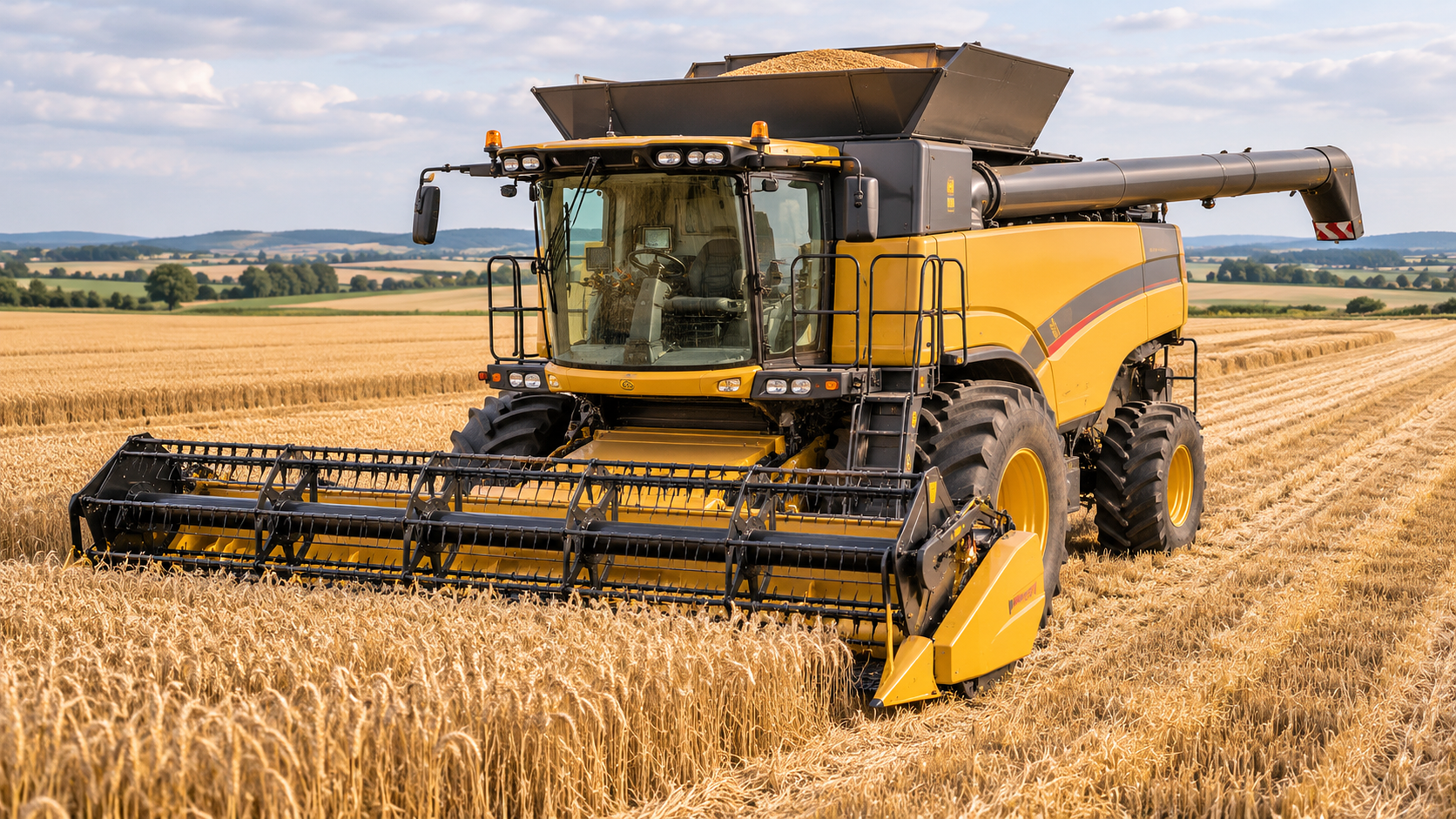
For a combine, match header type and width to the crop, row configuration, field shape, and likely crop volume. Throughput can be limited by the header, feeder, threshing and separation system, cleaning shoe, grain tank, or unloading system. Quoted engine power alone does not show which component will constrain performance.
Compare candidates at the crop conditions that matter most: heavy residue, lodged plants, variable yield, or grain that is difficult to separate. Establish acceptable levels for grain loss, damage, and sample cleanliness before a demonstration. Collect loss observations behind the header and behind the combine separately so that header losses are not mistaken for separation or cleaning losses. Sample several representative areas and use a consistent collection method; uneven residue distribution can otherwise distort the comparison.
A larger grain tank or faster unloading system helps only when carts, trailers, and receiving capacity can keep pace. Model the complete chain from cutting to unloading and transport. If the combine repeatedly stops for an unavailable cart, increasing separator capacity may not solve the bottleneck.
Assess power, traction, and soil loading together
Tractor selection begins with the implement’s actual draft, power take-off, hydraulic, and electrical demands across the intended tasks. Check continuous operating requirements as well as peak demand, and distinguish engine power from the power available at the PTO or drawbar. Soil resistance, working depth, slope, and speed can change the load substantially; use implement specifications and local operating experience to define the range.
More power does not guarantee useful traction. Tire size, inflation pressure, ballast, axle loading, and ground conditions determine how effectively power reaches the soil. Excessive slip wastes fuel and time, while unnecessary ballast increases soil loading. Confirm that the intended ballast arrangement remains within manufacturer axle, tire, and total weight ratings, including loads transferred by mounted implements.
Compaction risk depends on load and soil condition, not simply on whether a machine has tires or tracks. Wider tires, duals, or tracks may help distribute load, but they do not eliminate the effects of heavy axle loads or wet soil. Compare configurations using loaded weights, contact arrangements, and the farm’s traffic pattern. Where practical, controlled traffic and fewer passes can reduce the area exposed to repeated loading.
Also evaluate the worst transport and field cases: a full grain tank, a loaded sprayer, or an implement raised on the headland. Check braking, stability, and steering with the actual combination. Manufacturer limits take precedence over a capacity estimate based on horsepower.
Check precision features against the job
Guidance, section control, variable-rate application, and machine telemetry can reduce overlap or improve placement, but only when the farm has a use for them and can operate them reliably. Identify the decision each feature supports: for example, section control may be valuable on irregular boundaries, while repeatable guidance may support consistent traffic lanes or crop-row operations.
Before comparing displays and automation packages, document the required positioning accuracy, correction availability, field boundaries, prescription format, and operator workflow. Verify compatibility between tractor, implement, and data system, including which functions are actually supported through the connection. A shared connector or communication standard does not guarantee that every control or data function will work across machines.
Consider the fallback as well. Can the operation continue safely if the correction signal, sensor, or connectivity is unavailable? Check calibration requirements, subscription terms where applicable, data access, and the ability to export records in usable formats. These details influence seasonal availability as much as the feature list.
Compare ownership cost at the required service level
Calculate costs over a consistent ownership period and expected annual use. Include acquisition or financing, depreciation or expected resale value, fuel, routine maintenance, wear parts, tires or tracks, insurance, storage, technology subscriptions, and the labor needed to operate and support the machine. Treat resale and repair costs as assumptions to be tested, not guaranteed values.
Divide the estimated total by the hectares or operating hours actually expected, while keeping capacity and timeliness visible as separate decision criteria. A low cost per hectare based on an unrealistically high utilization rate can make an oversized machine look attractive. Conversely, a smaller machine may appear cheaper until its inability to finish during a short weather window is accounted for.
Service access belongs in the comparison. Review parts availability for high-wear components, diagnostic access, technician coverage, and the time needed for routine service. Where downtime during planting or harvest is critical, compare the practical alternatives: a larger single machine, multiple smaller units, shared capacity, or contracted work. Each changes labor needs, redundancy, and utilization; none is automatically the lowest-risk choice.
Validate the shortlist under comparable conditions
Request configuration-specific quotations and performance information, then evaluate shortlisted machines against the same workload. A useful demonstration uses representative fields, crop conditions, operators, settings, and measurement methods. Record working width, speed, actual covered area, interruptions, fuel use where measurable, and the quality indicators relevant to the operation. Note conditions alongside the results so that a machine is not favored simply because it worked in an easier part of the field.
Before committing, resolve any remaining constraints that a demonstration cannot establish: loaded axle limits, attachment compatibility, transport clearance, service arrangements, and software functionality. Select the smallest configuration that can meet the required work window with a defensible margin, provided it also meets crop-quality, soil-protection, and support requirements. Retain the assumptions behind that decision so the comparison can be updated when crop area, field access, or seasonal capacity changes.
Related News
Orbia Netafim Introduces New Regional Model to Accelerate Western European Growth
Orbia Netafim introduces a new Western European regional model. Discover how it aims to improve irrigation services and supply chain responsiveness.
AED and NAEDA Propose Merger to Combine North American Dealer Resources
AED and NAEDA propose a merger to combine dealer resources across North America. Explore what the member vote could mean for benefits and representation.
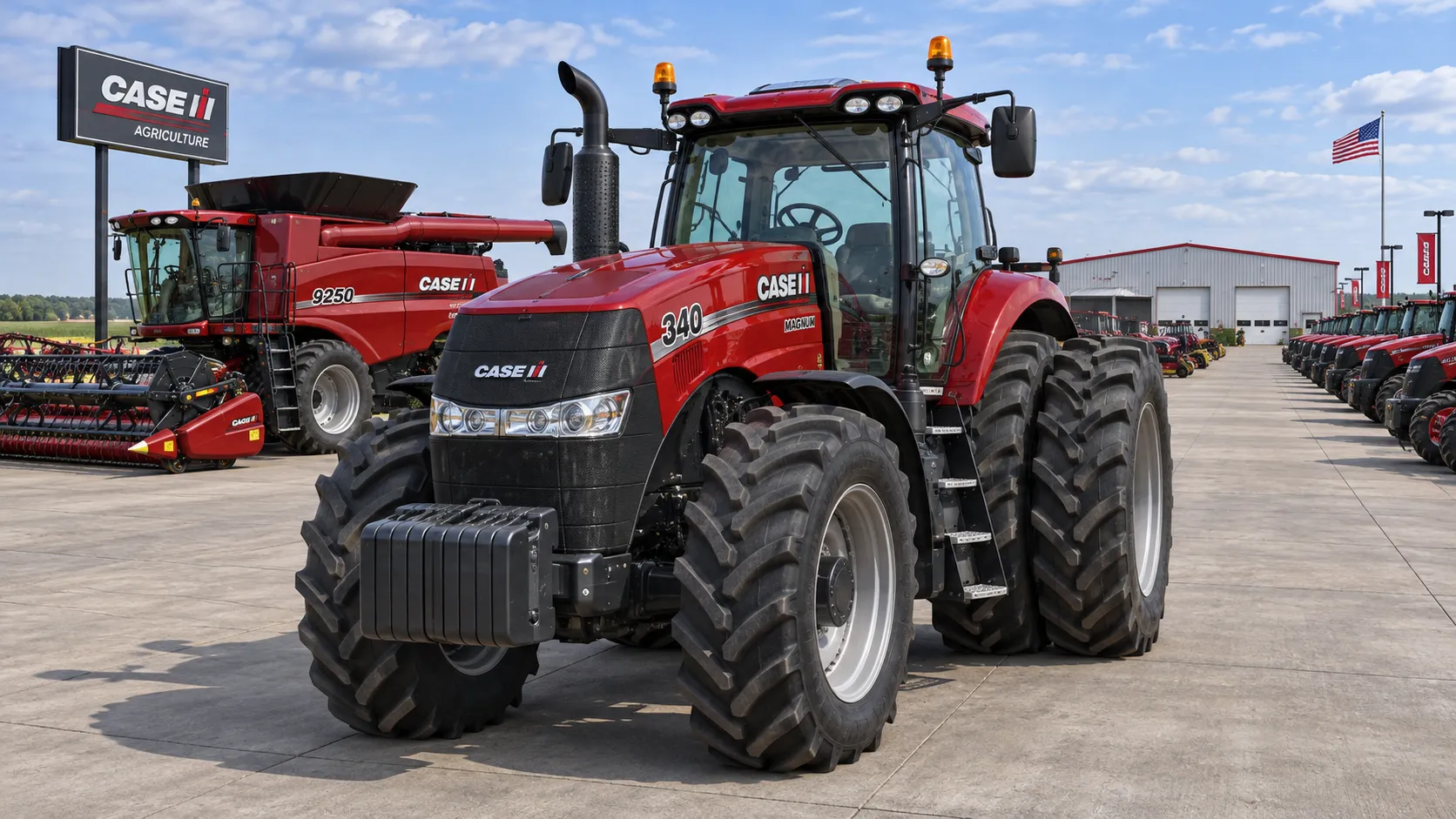
US Farm Equipment Sales Fall: Tractors Down 25.3%, Combines Down 10%
US farm equipment sales are falling, with tractors down 25.3% and combines down 10%. Explore what the figures could mean for buyers and suppliers.
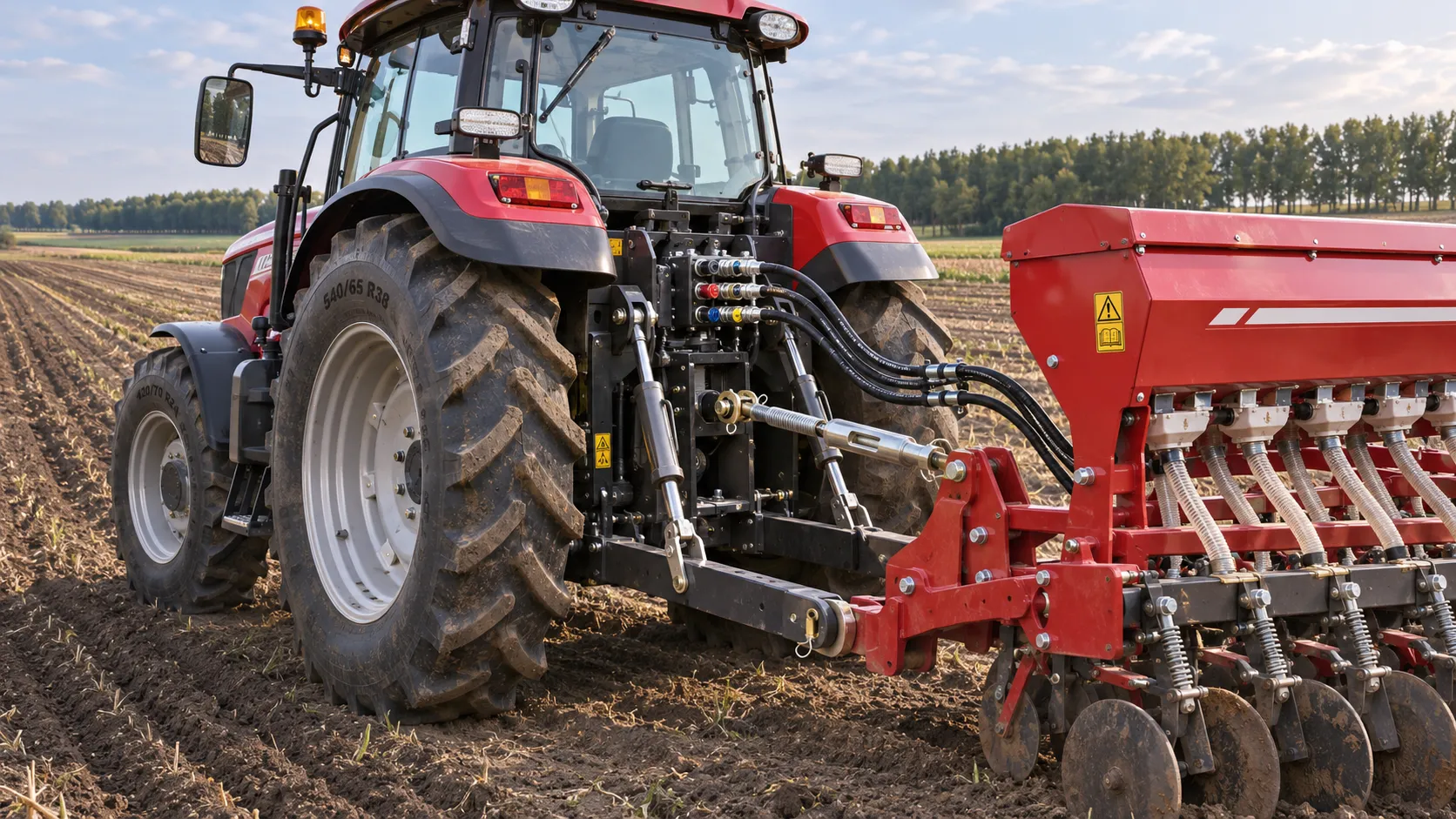
Farm Machinery Hydraulic Specifications: Flow, Pressure and Lift Capacity
Compare farm machinery specifications: hydraulic system flow, pressure and lift capacity. Learn how to match implements and avoid costly compatibility issues.
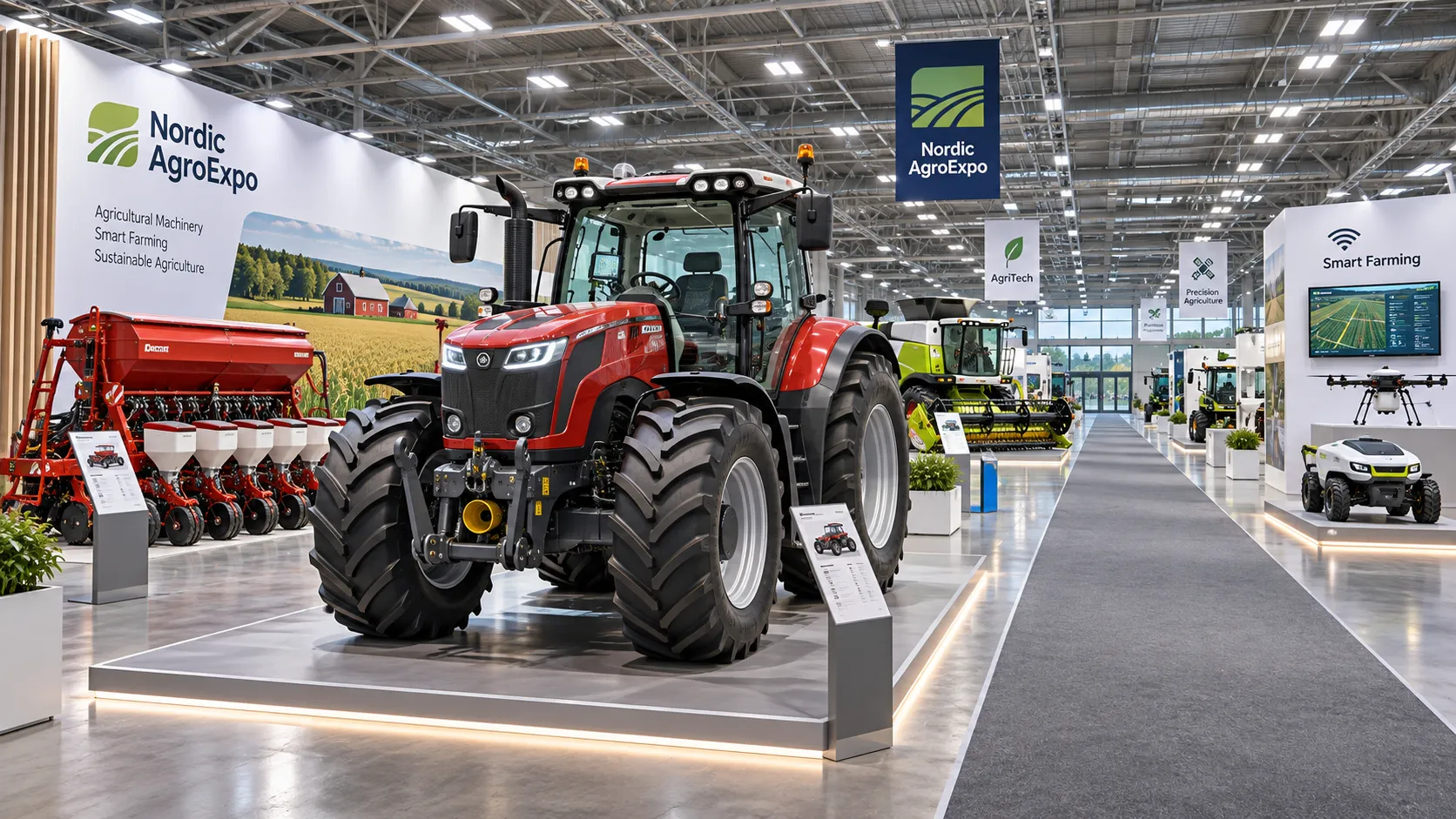
Agromek 2026 Opens in Herning with 530 Exhibitors
Agromek 2026 opens in Herning with 530 exhibitors. Explore agricultural machinery, smart equipment and sustainable farming technologies.
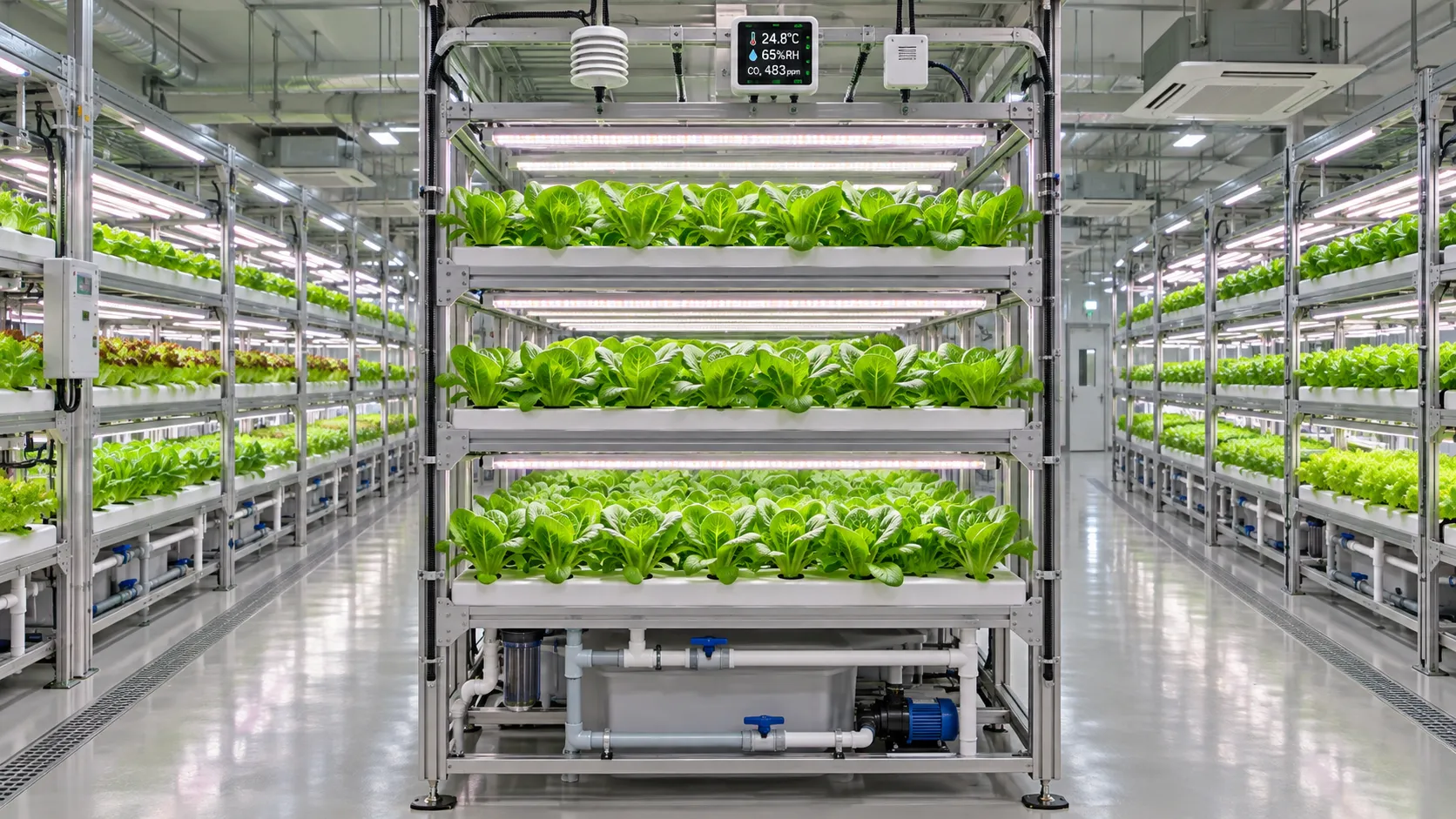
Guangming Daily Explores a Greener, More Resilient Future for Agriculture
Explore how agricultural technology, from AI and biotechnology to plant factories, could support greener, more resilient farming and inform smarter purchasing decisions.
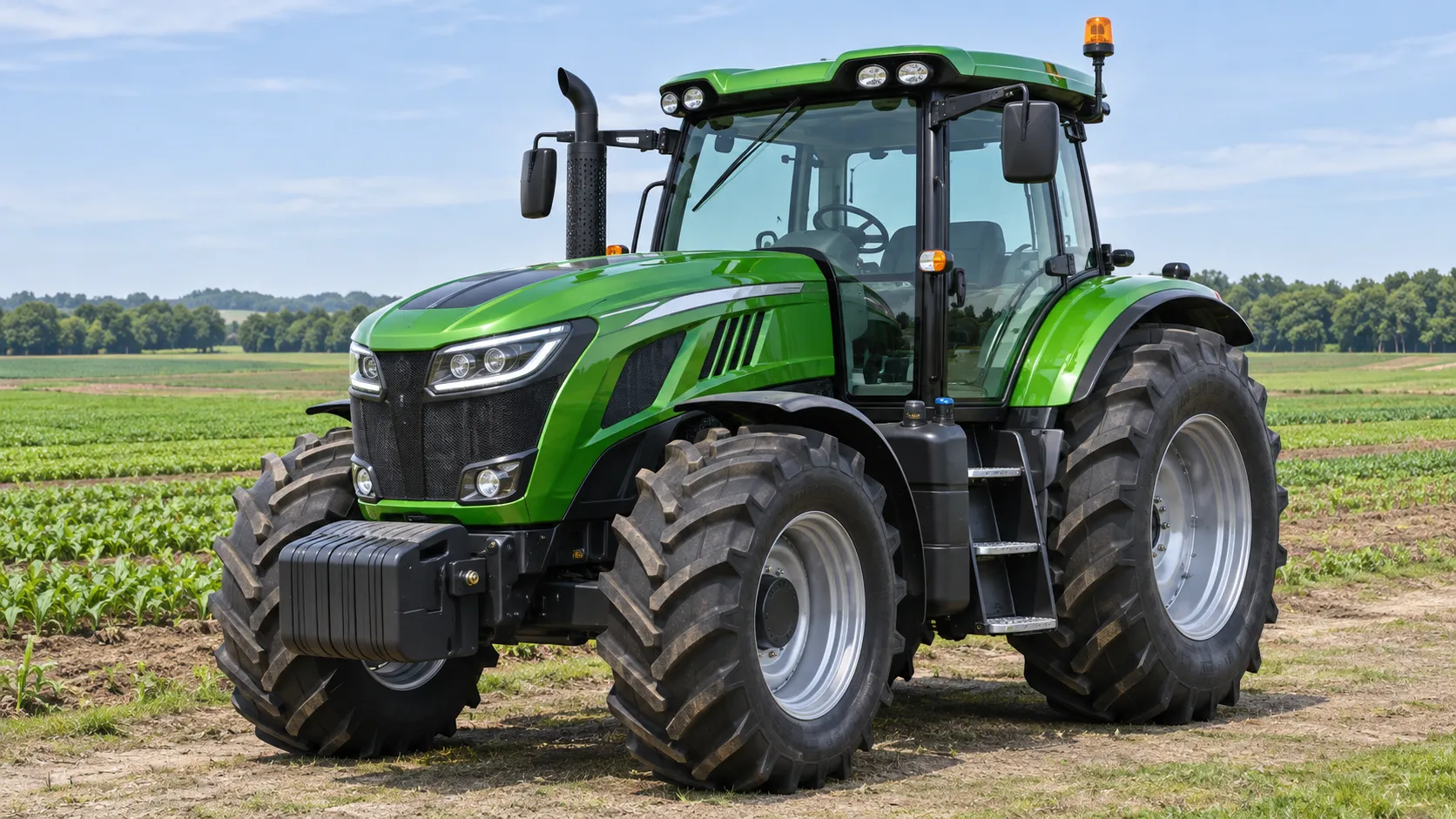
DEUTZ-FAHR 7 Series TTV to Feature FPT N67 Engine at EIMA 2026
DEUTZ-FAHR 7 Series TTV tractors will feature the FPT N67 engine at EIMA 2026. Explore the three-model range and its maximum output of 271 horsepower.
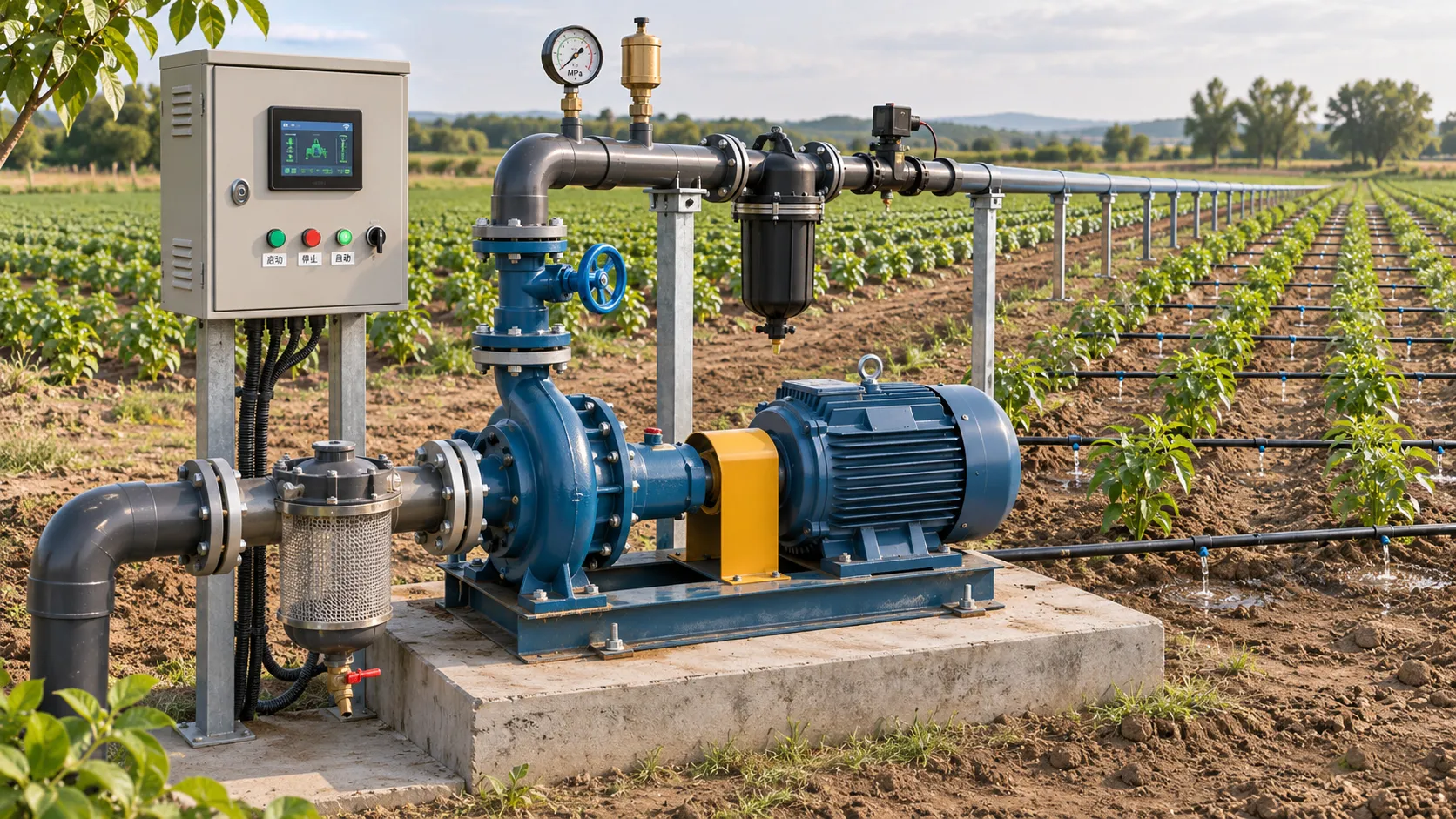
Resource-Saving Standards in Europe: Which EU Rules Apply to Products?
Explore resource-saving standards Europe applies to products, from ecodesign and energy labels to irrigation equipment. Find out which EU rules apply.
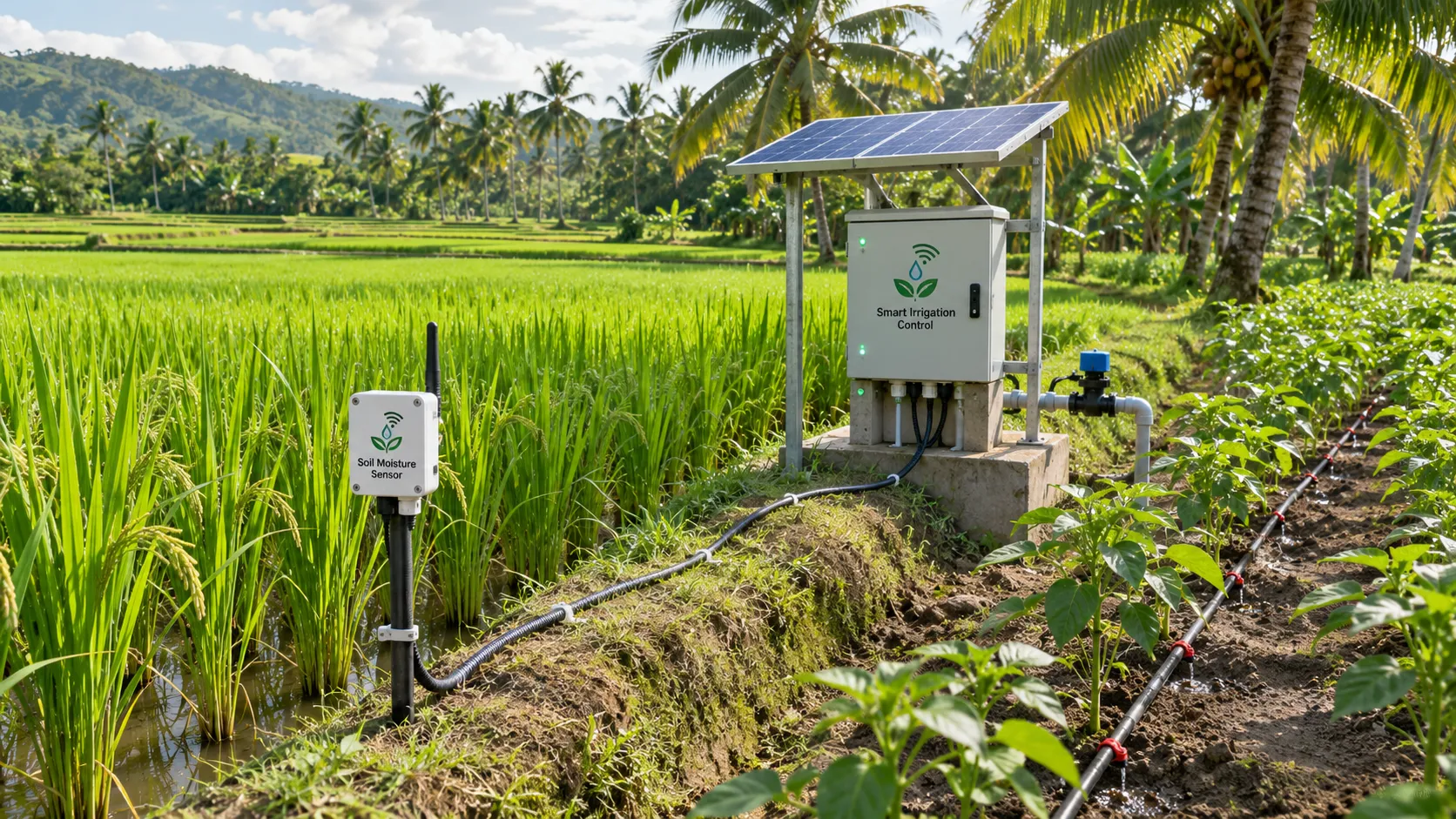
Philippines Agriculture Department and FAO Explore Smart Farming
Smart farming in the Philippines: discover how the Department of Agriculture and FAO are exploring integrated technologies to improve efficiency and food sovereignty.
Related News
- 00
0000-00
Choosing Large-Scale Agricultural Machinery for Farm Size and Crop Needs - 00
0000-00
Resource-Saving Standards in Europe: Which EU Rules Apply to Products? - 00
0000-00
Global Precision Farming Market Forecast to Reach $22.3 Billion by 2034 - 00
0000-00
Climate-Smart Agriculture Investments: Evaluating ROI and Climate Risks - 00
0000-00
FAO: Global Food Supplies Ample, but Market and Food Security Risks Rise
0000-00
Popular Tags
Ms. Elena Rodriguez
Weekly Insights
Stay ahead with our curated technology reports delivered every Monday.