Global Precision Farming Market Forecast to Reach $22.3 Billion by 2034
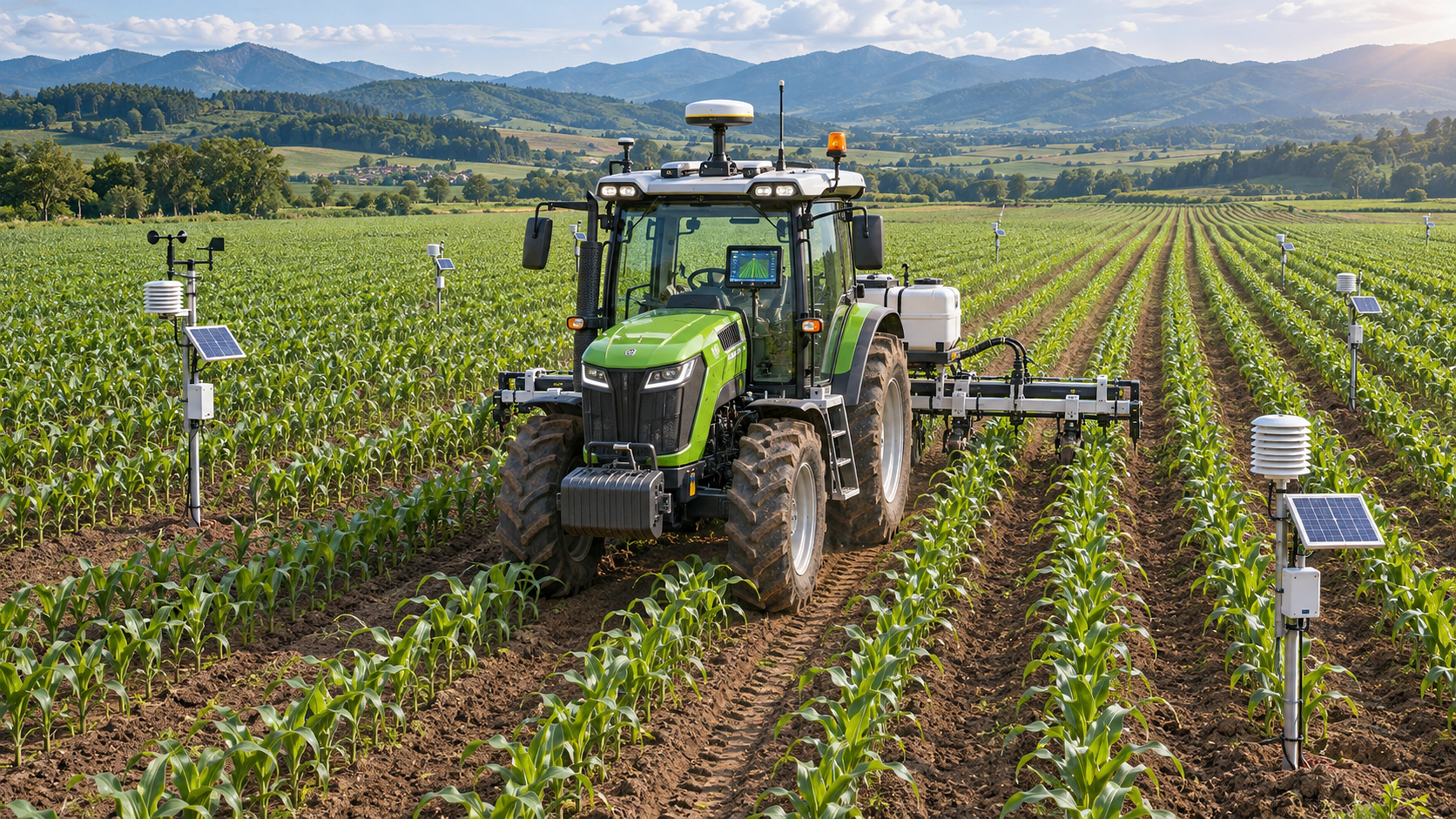




The global precision farming market is forecast to reach $22.3 billion by 2034, according to a research report published on OpenPR. The report associates the outlook with accelerating adoption of digital agriculture and highlights the growing influence of artificial intelligence, machine learning, big data and predictive analytics.
The report also cites compound annual growth rates of 10.5% for the United States and 10.8% for Japan. These figures describe projected rates of growth, while the $22.3 billion figure represents an estimated future market size. They should be read as forecasts, not as revenue already achieved.
What the market forecast indicates
The projected global figure points to an expectation that spending on precision farming will expand as digital agriculture adoption advances. It does not, on its own, establish which products or services will account for the most growth. The outcome will depend on how adoption develops through 2034 and on the assumptions used to calculate the forecast.
The two country growth rates provide a narrower view of the outlook. Japan's cited rate is slightly higher than that of the United States, but the rates alone do not show the relative size of either market or the amount of additional revenue each could generate. A faster percentage increase from a smaller starting point can still produce a smaller absolute increase.
Where data and analytics could affect adoption
The report's emphasis on artificial intelligence, machine learning, big data and predictive analytics places attention on how agricultural data is turned into decisions. For precision farming providers, the commercial value of these technologies depends on whether their outputs can be used in practical workflows. For growers considering digital tools, the relevant question is whether those outputs support decisions well enough to justify their use.
That creates a possible link between the market forecast and several parts of the digital agriculture offering: collecting usable information, analyzing it and presenting results in a form that can guide action. Growth in one part of that chain would not necessarily translate into equal growth across all of them. Adoption could also vary according to how well tools fit the needs of different users.
Predictive analytics illustrates the distinction between a technology's potential and a proven market outcome. A prediction can help frame a future decision, but its usefulness depends on the quality of the information available and on whether the resulting guidance is relevant to the user. The forecast signals the expected importance of analytics; it does not establish the performance of any particular product.
What to watch
The most useful follow-up information would explain the report's forecast period, market definition and calculation methods, as well as how growth is distributed across precision farming offerings. Those details would help readers interpret the country growth rates alongside the global estimate and assess which activities contribute most to the projected market.
Changes in adoption will also matter. If more agricultural users incorporate digital tools into their decisions, demand could extend beyond the initial purchase of a product to the analysis and use of data. The scale and timing of any such effect remain dependent on adoption and on the value users obtain from those tools.
Related News
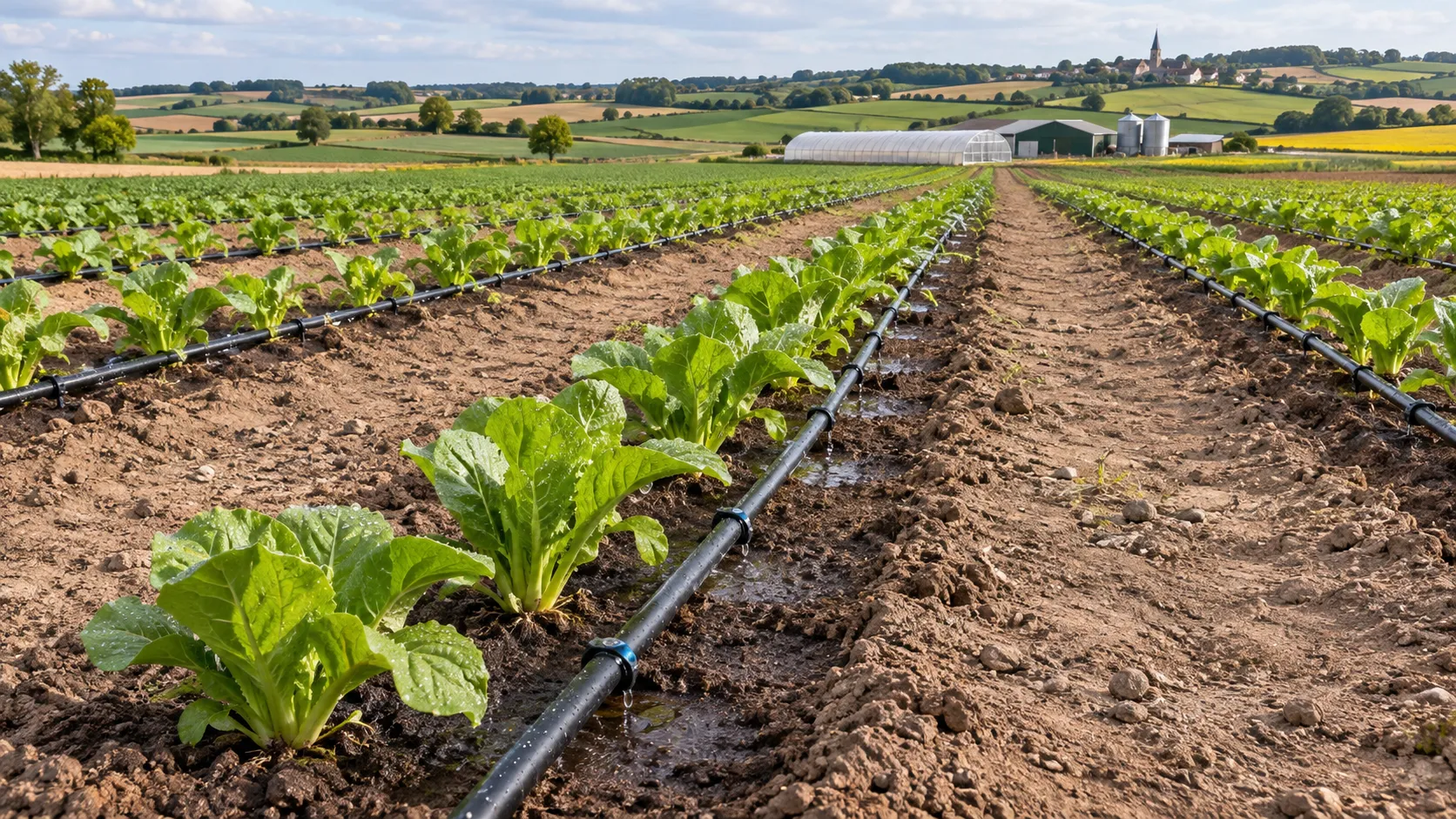
Orbia Netafim Introduces New Regional Model to Accelerate Western European Growth
Orbia Netafim introduces a new Western European regional model. Discover how it aims to improve irrigation services and supply chain responsiveness.
AED and NAEDA Propose Merger to Combine North American Dealer Resources
AED and NAEDA propose a merger to combine dealer resources across North America. Explore what the member vote could mean for benefits and representation.
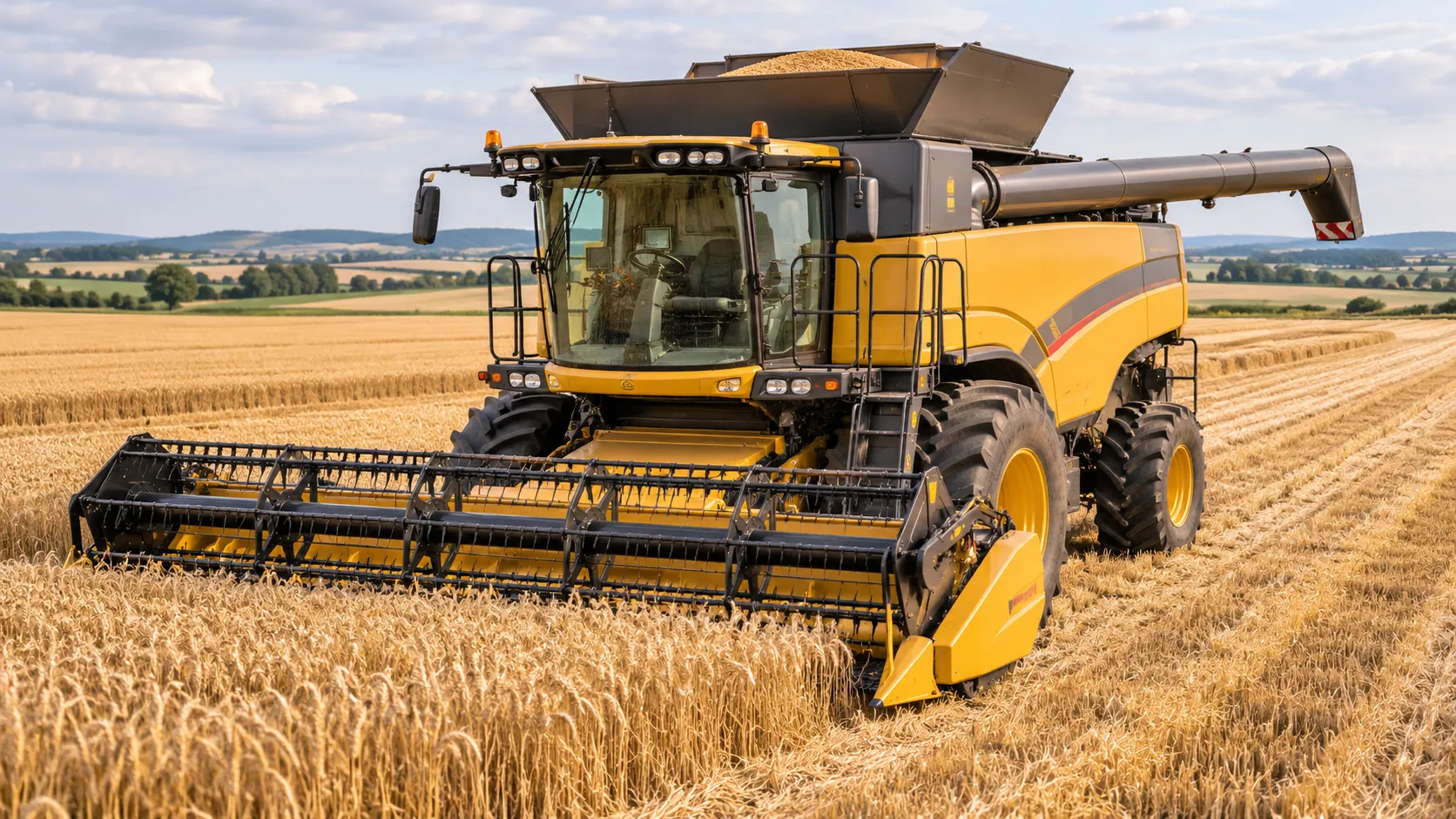
Choosing Large-Scale Agricultural Machinery for Farm Size and Crop Needs
Choose large scale agricultural machinery with confidence. Compare field capacity, crop needs, soil impact, and ownership costs to find the right fit for your farm.
US Farm Equipment Sales Fall: Tractors Down 25.3%, Combines Down 10%
US farm equipment sales are falling, with tractors down 25.3% and combines down 10%. Explore what the figures could mean for buyers and suppliers.
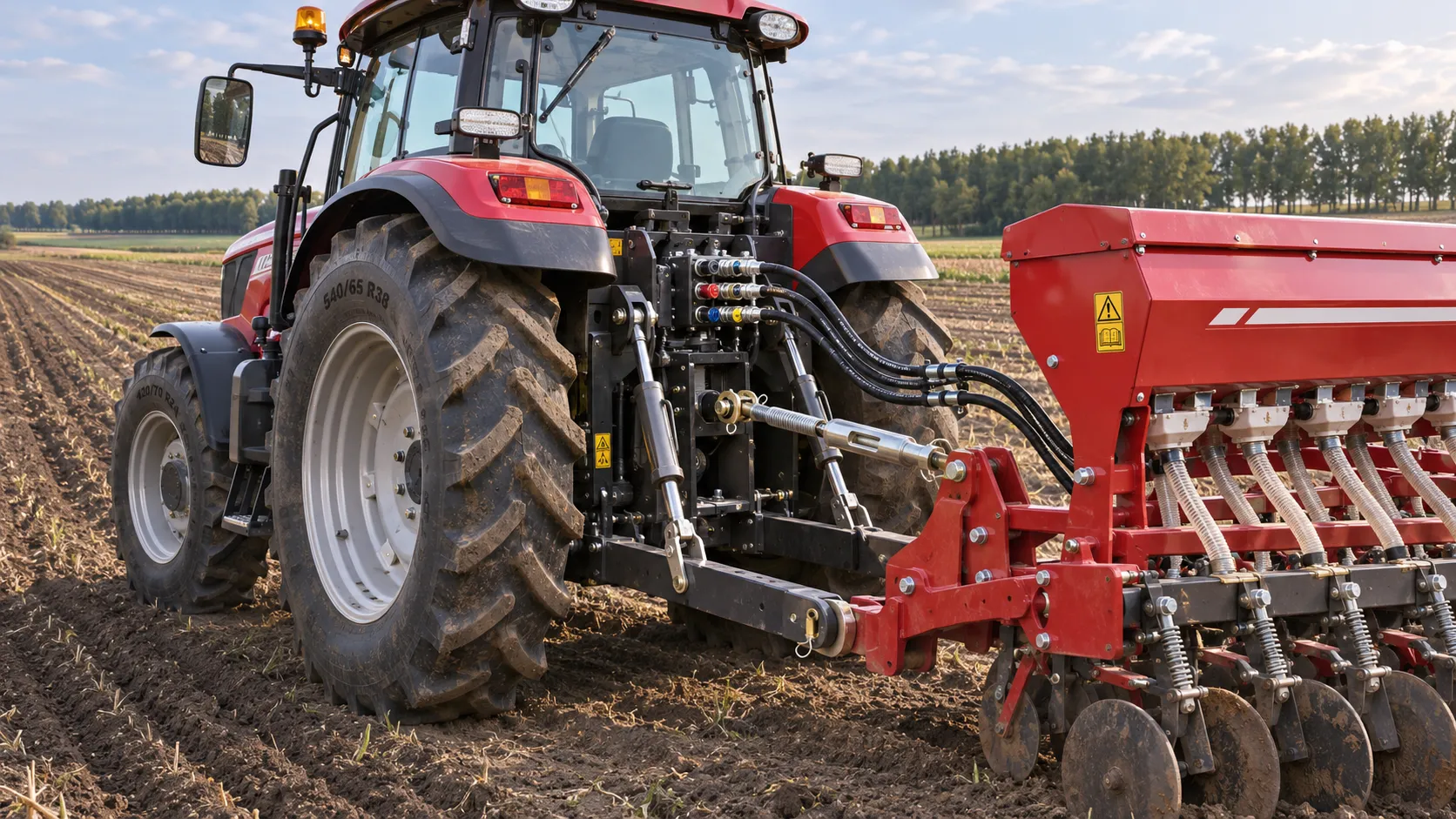
Farm Machinery Hydraulic Specifications: Flow, Pressure and Lift Capacity
Compare farm machinery specifications: hydraulic system flow, pressure and lift capacity. Learn how to match implements and avoid costly compatibility issues.
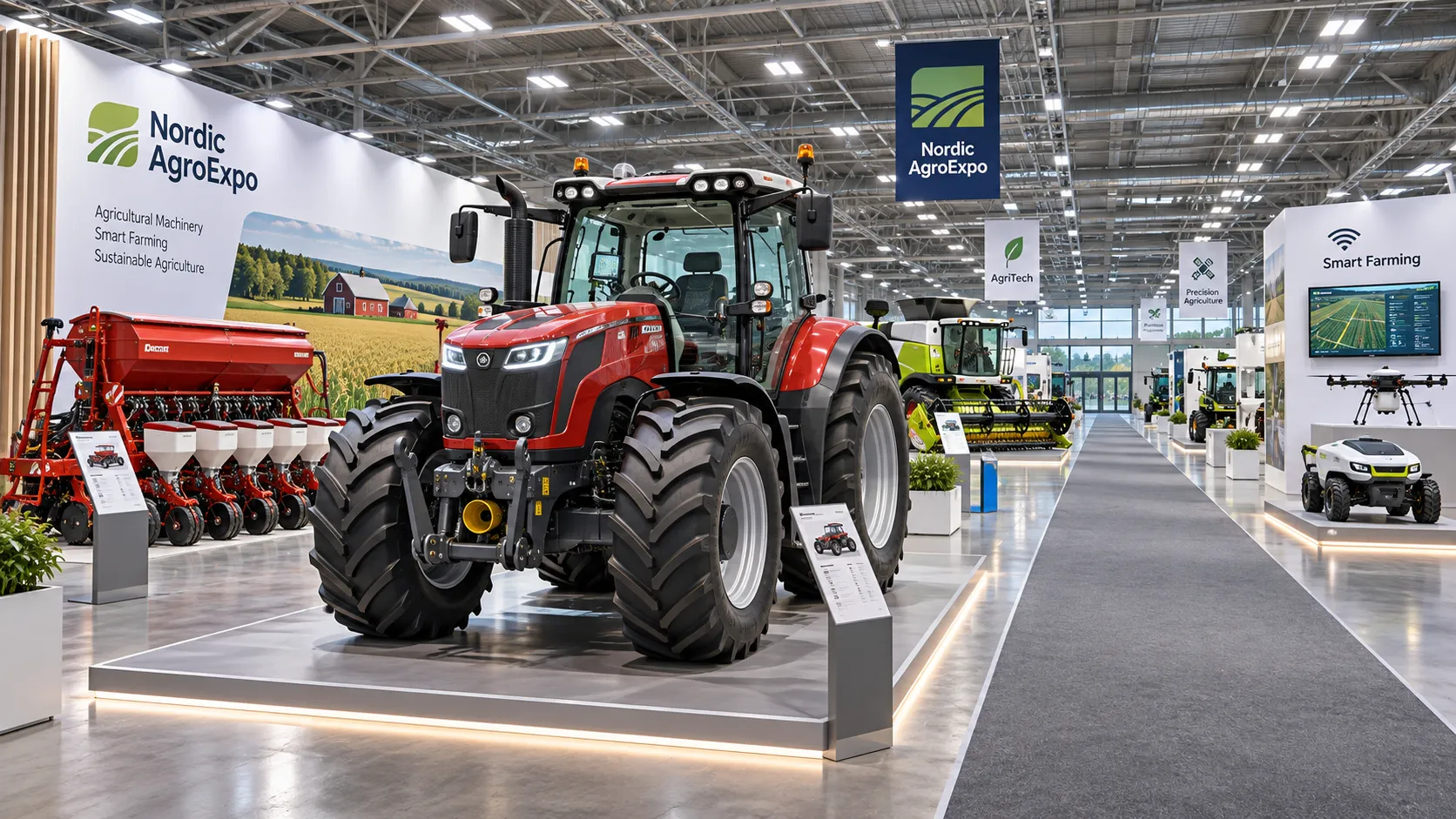
Agromek 2026 Opens in Herning with 530 Exhibitors
Agromek 2026 opens in Herning with 530 exhibitors. Explore agricultural machinery, smart equipment and sustainable farming technologies.
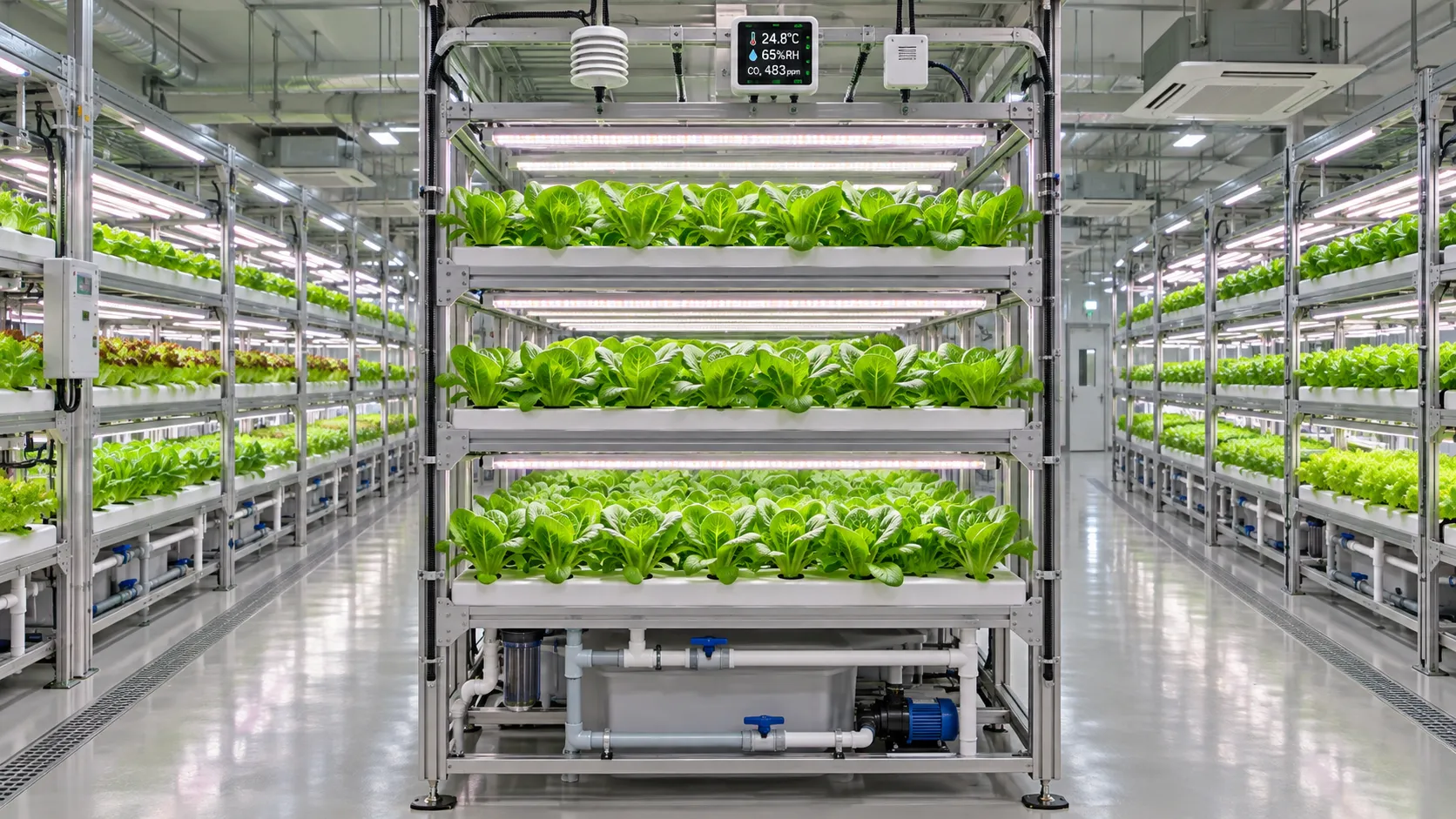
Guangming Daily Explores a Greener, More Resilient Future for Agriculture
Explore how agricultural technology, from AI and biotechnology to plant factories, could support greener, more resilient farming and inform smarter purchasing decisions.
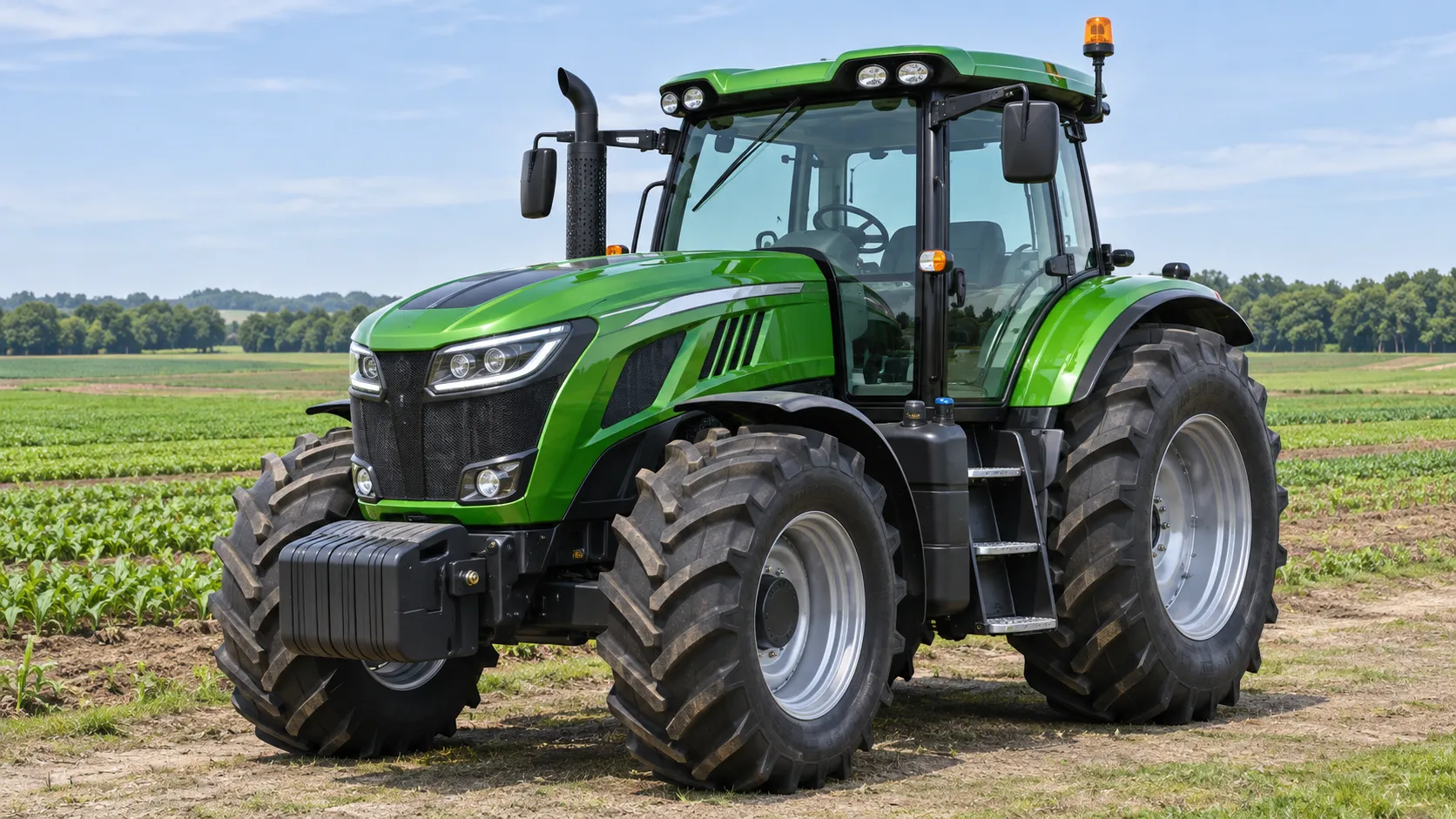
DEUTZ-FAHR 7 Series TTV to Feature FPT N67 Engine at EIMA 2026
DEUTZ-FAHR 7 Series TTV tractors will feature the FPT N67 engine at EIMA 2026. Explore the three-model range and its maximum output of 271 horsepower.
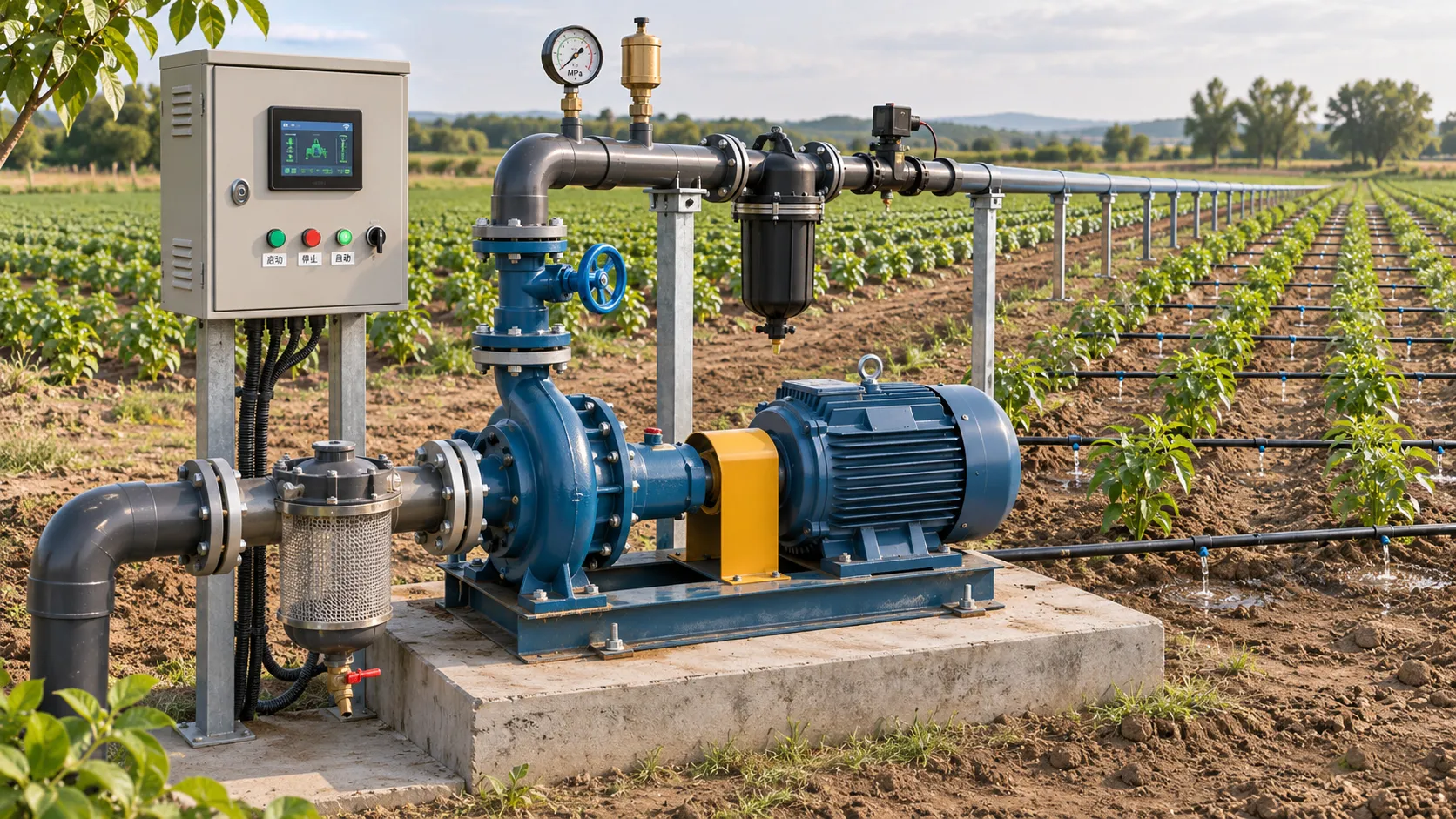
Resource-Saving Standards in Europe: Which EU Rules Apply to Products?
Explore resource-saving standards Europe applies to products, from ecodesign and energy labels to irrigation equipment. Find out which EU rules apply.
Related News
- 00
0000-00
Choosing Large-Scale Agricultural Machinery for Farm Size and Crop Needs - 00
0000-00
Resource-Saving Standards in Europe: Which EU Rules Apply to Products? - 00
0000-00
Global Precision Farming Market Forecast to Reach $22.3 Billion by 2034 - 00
0000-00
Climate-Smart Agriculture Investments: Evaluating ROI and Climate Risks - 00
0000-00
FAO: Global Food Supplies Ample, but Market and Food Security Risks Rise
0000-00
Popular Tags
Ms. Elena Rodriguez
Weekly Insights
Stay ahead with our curated technology reports delivered every Monday.