China's Agricultural Machinery Industry Advances Upmarket and Expands Overseas
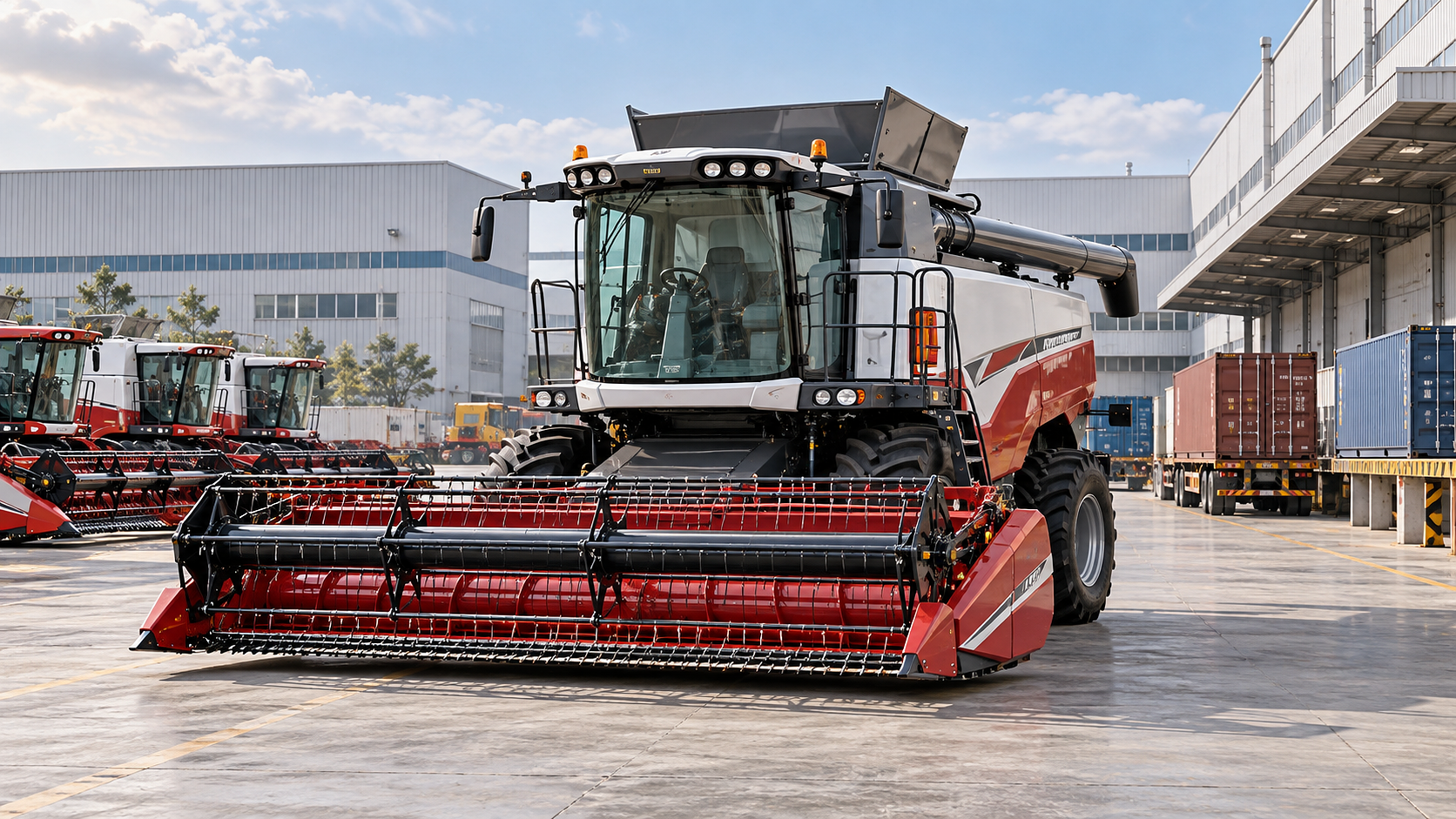




China's agricultural machinery industry is moving toward more advanced and intelligent equipment while expanding overseas, according to the supplied account of a Xinhua report. The event time is not explicitly specified, although the account gives dates for an agricultural machinery exhibition. No new policy, standard or trade rule is identified; for manufacturers, exporters and buyers, the account instead raises questions about how product requirements and cross-border delivery will be managed as international business develops.
Exhibition and Manufacturing in China
The supplied summary states that the China International Agricultural Machinery Exhibition takes place in Tianjin from October 26 to 28, 2026. It cites Xinhua as reporting that China's agricultural machinery industry is accelerating its shift toward advanced and intelligent equipment and expanding into overseas markets.
The summary also states that equipment produced at German manufacturer CLAAS's factory in Shandong, China, is being exported in large quantities. It presents this as an example of China's growing place in the global agricultural machinery supply chain and deeper manufacturing investment by foreign companies in China.
What Overseas Expansion Could Mean for Supply Chains
Manufacturing and Product Specifications
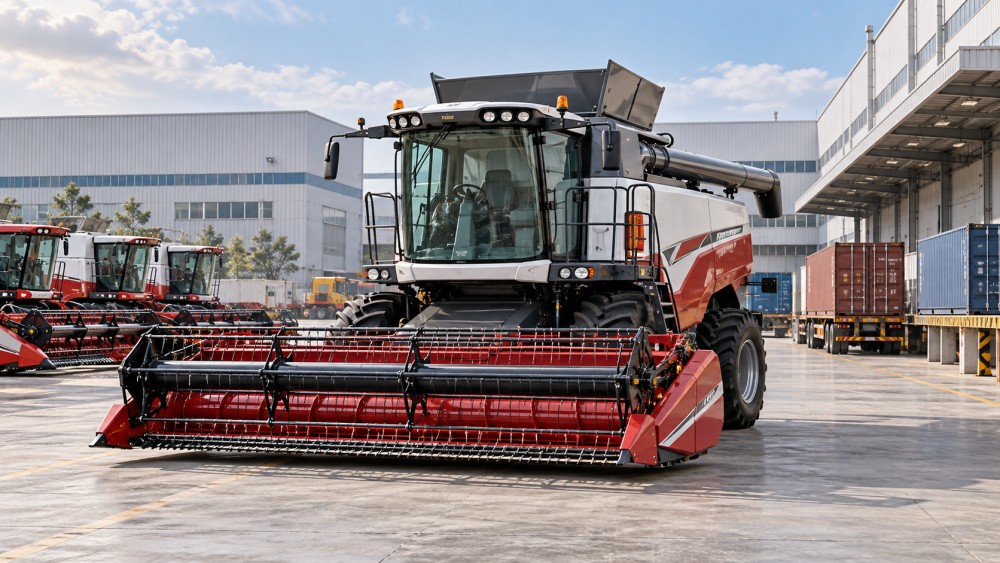
From an industry perspective, a greater focus on advanced and intelligent machinery could make alignment between manufacturers and their suppliers more important. Product specifications, component documentation and testing evidence may need closer review when equipment is intended for different buyers or markets. The supplied information does not identify any new technical standard or certification requirement.
Export Sales and Delivery
For exporters and procurement teams, the reported expansion of overseas business may increase the importance of checking destination-specific requirements before orders are finalized. Analysis suggests that certification evidence, shipping documents, delivery schedules and contractual specifications could affect transactions, but the account does not establish that any of these requirements have changed.
Service and Equipment Support
More advanced machinery may also place greater emphasis on the information exchanged between manufacturers, distributors and service providers. Buyers could consider how technical documentation, spare parts and responsibility for after-sales support will be handled across borders. These are practical considerations, not newly announced obligations.
Checks Before an Overseas Order
Verify Requirements for Each Transaction
Exporters and buyers can review applicable product, certification and import requirements for the intended destination and equipment before committing to delivery. The input does not identify a particular destination or a change in its rules, so any requirements should be verified against the relevant current sources.
Align Technical and Commercial Documents
Manufacturers and procurement teams may wish to compare equipment specifications, available test documentation and contract terms early in the purchasing process. Where intelligent functions are part of an order, confirming the agreed specifications and supporting documents could help identify unresolved questions before shipment.
Review Delivery and Service Arrangements
Parties can assess supplier readiness, delivery timing, spare-parts arrangements and access to technical support for each transaction. They may also consider how equipment and quality records will be retained for traceability. The supplied account does not provide details of any changed delivery or service obligations.
A Market Signal, Not a New Rule
At this stage, the account is better understood as a signal of industry and trade developments than as evidence that a new rule has taken effect. In the absence of a named policy, standard or regulatory decision, analysis of compliance consequences remains conditional. Subsequent official statements, certification interpretations, procurement documents and market feedback could help establish whether specific requirements or business practices are changing.
Keeping Expansion in Perspective
The reported shift toward advanced machinery and overseas sales points to areas where manufacturers and buyers may need closer coordination on specifications and delivery. The prudent response is to assess requirements transaction by transaction and continue monitoring developments, rather than assume that the exhibition or the reported export activity has introduced new obligations.
Basis for This Report and Further Verification
This article is based on the supplied news title, event-time field and event summary, which attributes the account to Xinhua. No specific official source link was provided in the input, and the details should continue to be verified. Relevant sources for follow-up may include official announcements, trade authority information, standards documents and authoritative media reports. Further monitoring may clarify any policy details, certification practices, procurement changes, trade execution and industry feedback.
Related News
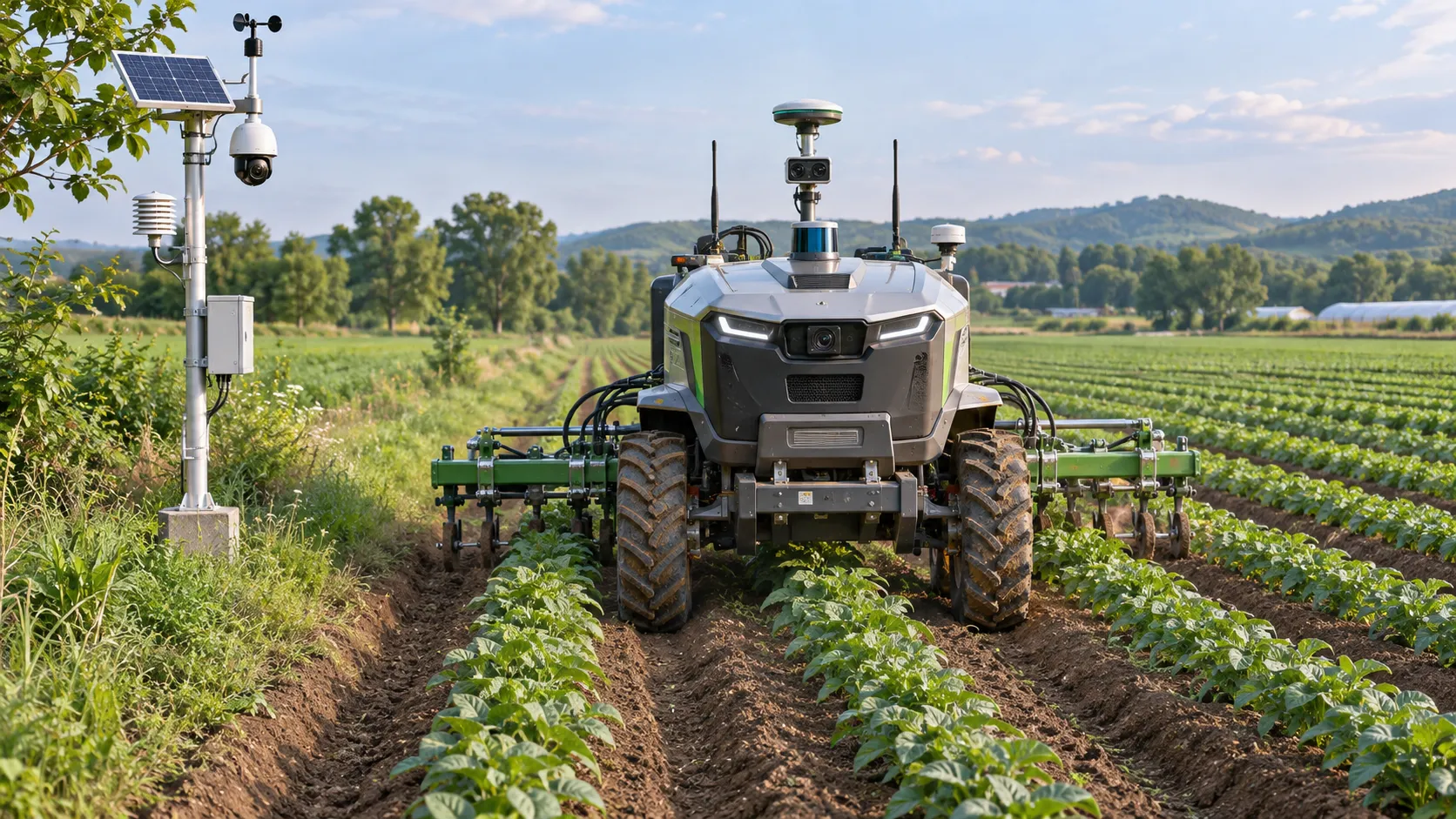
Agricultural Automation Still Needs Human Oversight, Study Finds
Agricultural automation still needs human oversight. Discover how AI and smart equipment are reshaping farm jobs, skills, and decisions.
Choosing a Precision Fertilization Equipment Manufacturer: What to Check
Choose a precision fertilization equipment manufacturer with confidence. Compare accuracy, compatibility, service and total ownership costs before you buy.
China's Autumn Grain Harvest Highlights Role of Machinery and Precision Farming
China's autumn grain harvest highlights machinery and precision farming. Explore how coordinated practices support harvesting and yield improvement.
Drip vs. Center Pivot Irrigation: Maintenance Tasks and Costs Compared
Use this irrigation solution comparison by maintenance to weigh drip vs. center pivot tasks, costs and downtime—and choose the best fit for your field.
EIMA 2026: Six Tractor of the Year Awards Include Autonomous Robot
Explore the Tractor of the Year awards at EIMA 2026, featuring six winners, including the AgXeed autonomous robot and leading tractor models.
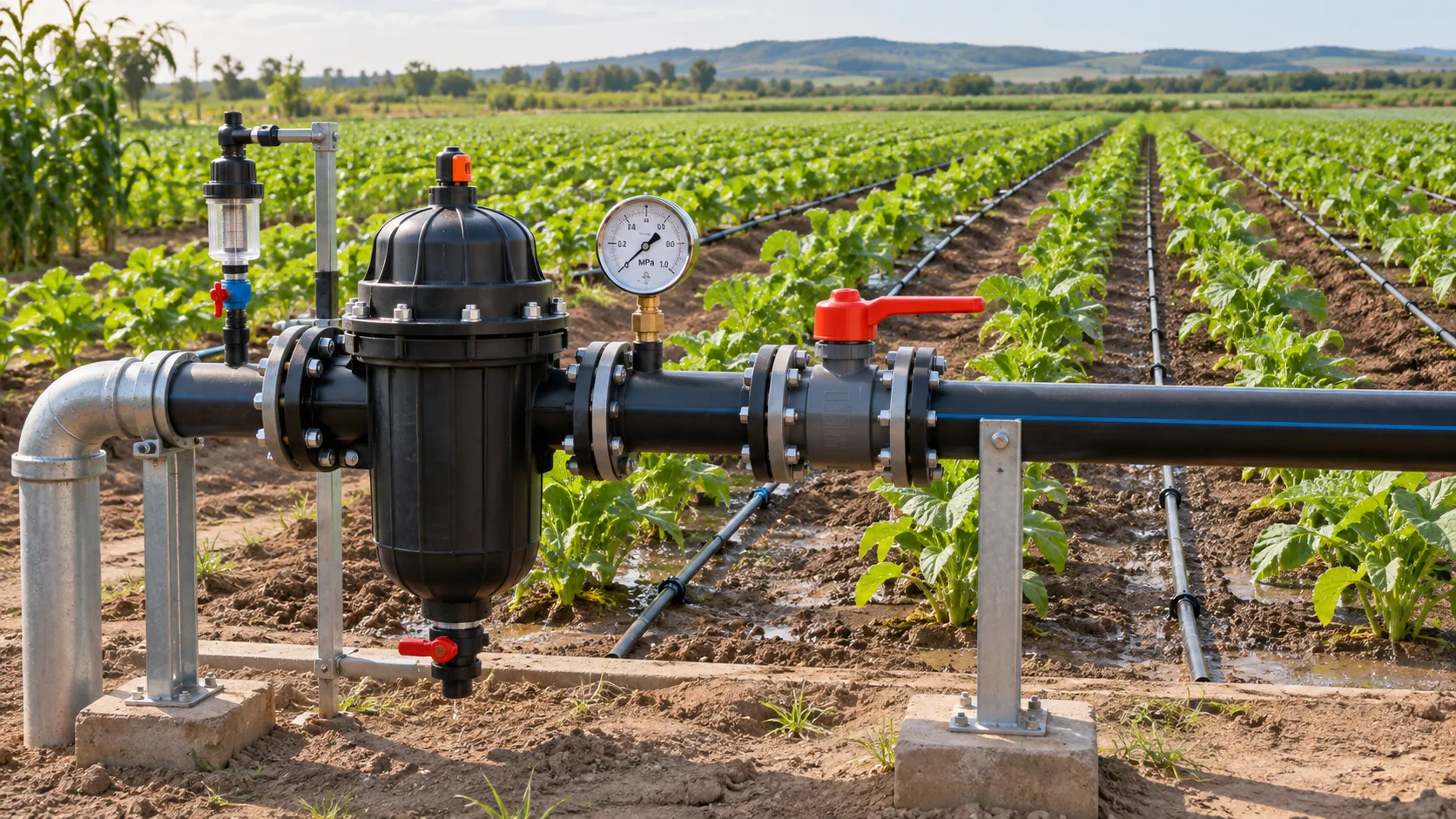
Choosing Irrigation Systems for Government Projects: Water, Cost and Compliance
What factors affect irrigation system selection for government projects? Explore water supply, lifecycle costs and compliance to make a confident, well-informed choice.
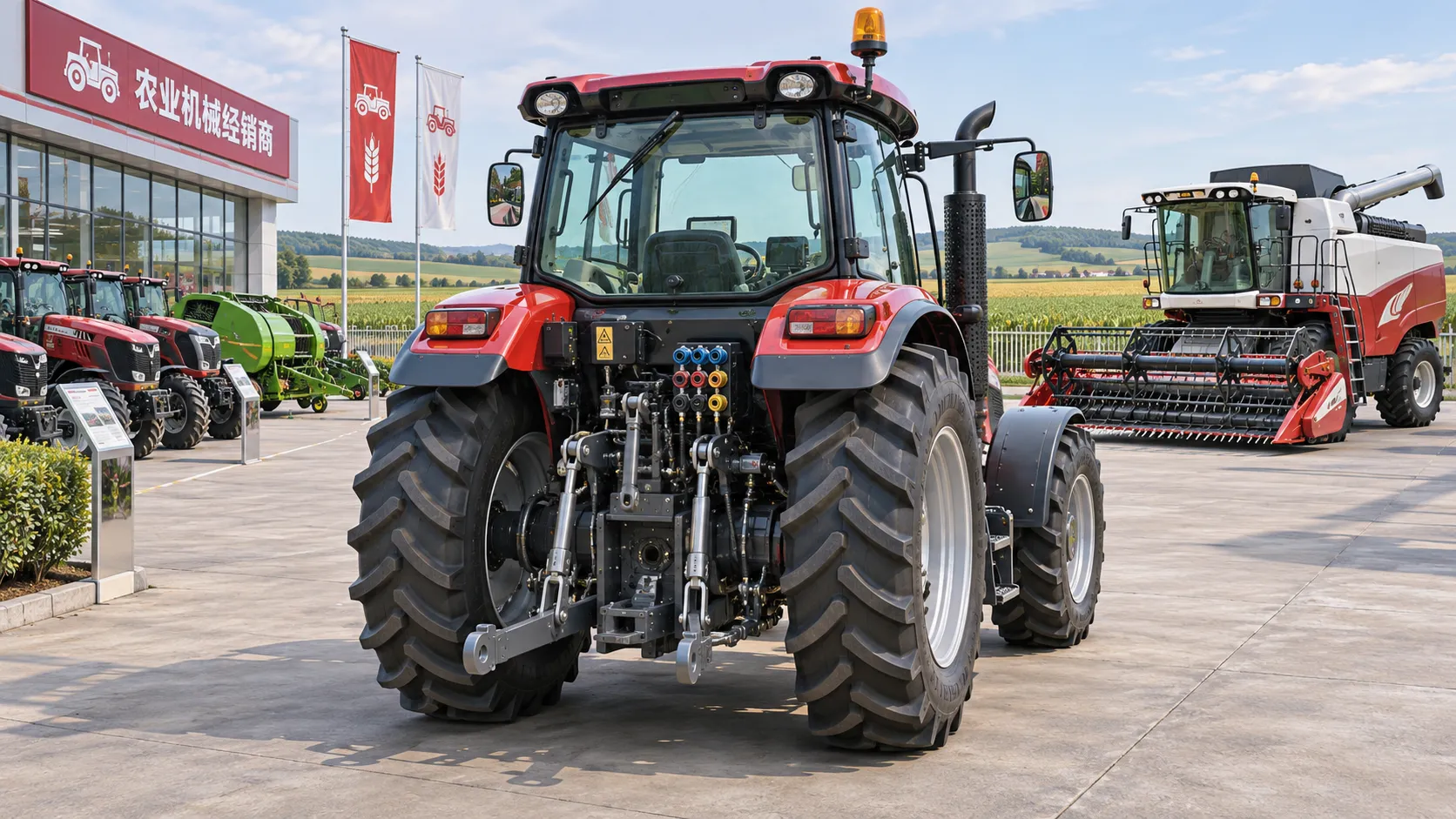
Choosing an Agricultural Machinery Platform: Listings, Pricing, and Support
Choosing an agricultural machinery platform? Compare listings, pricing, supplier verification, and support to make a more confident equipment purchase.
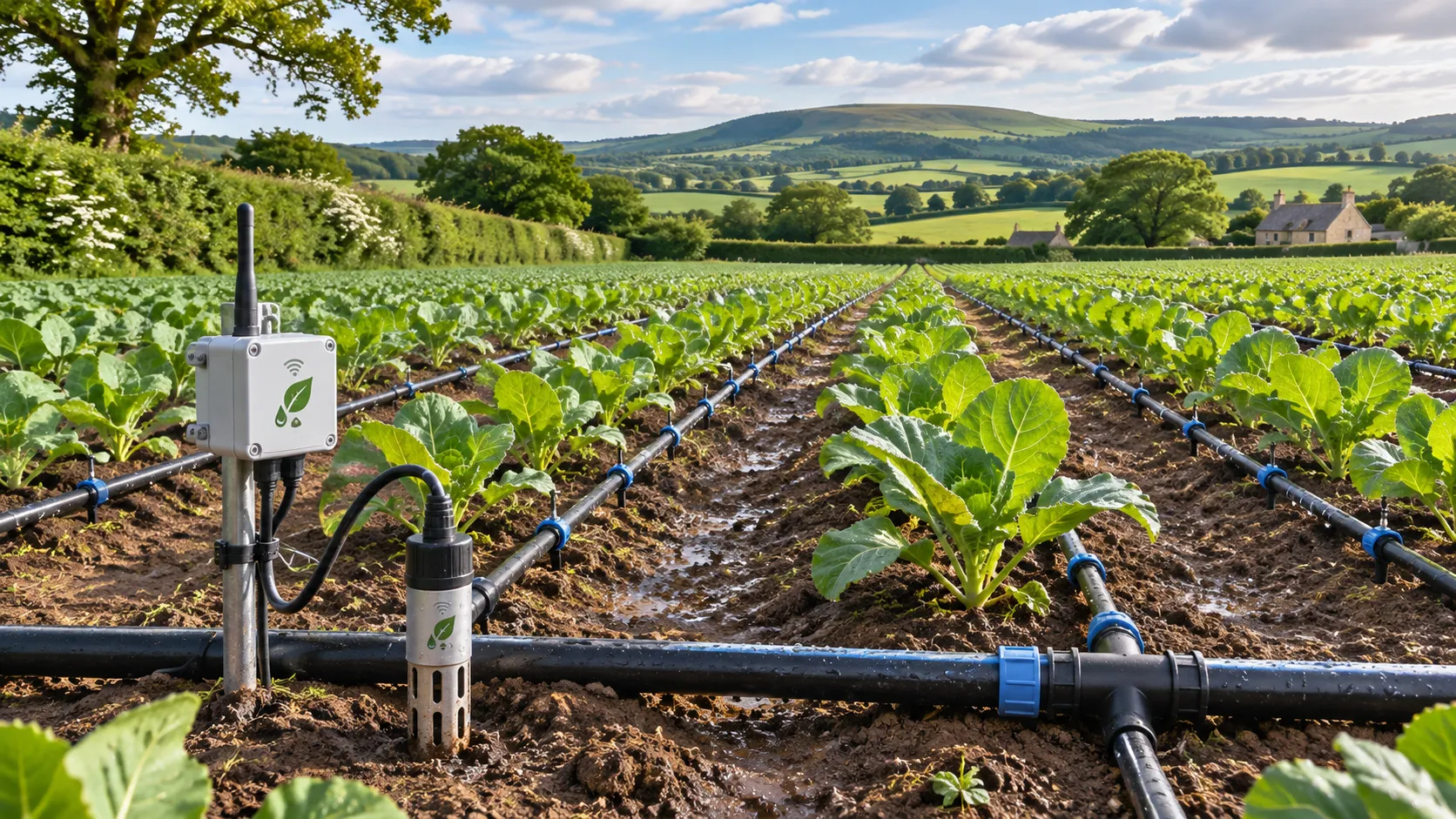
Ofwat Launches £8 Million Agri-Water Innovation Challenge
Ofwat’s £8 million Agri-Water Innovation Challenge supports smart irrigation, water reuse and water-saving solutions. Explore the funding and its potential impact.
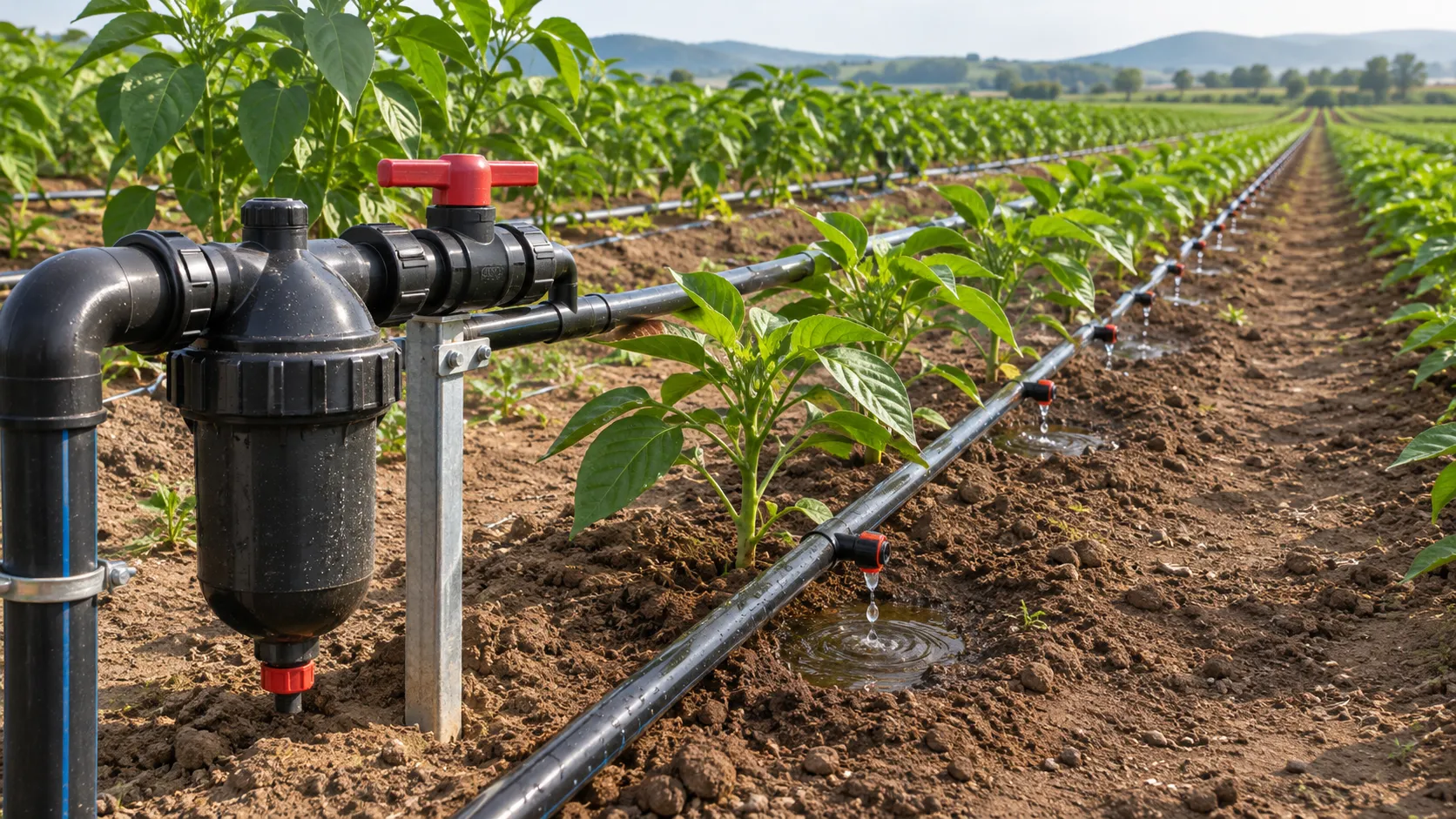
Choosing a Water-Saving Irrigation Supplier: 5 Key Procurement Criteria
Choose a water-saving irrigation systems supplier with confidence. Explore five procurement criteria to reduce risk and maximize long-term value.
Related News
- 00
0000-00
EIMA 2026: Six Tractor of the Year Awards Include Autonomous Robot - 00
0000-00
Ofwat Launches £8 Million Agri-Water Innovation Challenge - 00
0000-00
KazAgroFinance Resumes Applications for Preferential Farm Machinery Leasing - 00
0000-00
US Precision Agriculture Adoption Falls to 22% as Farm Bankruptcy Rate Rises 46%: Study - 00
0000-00
Hunan Hosts Field Demonstration of Urgently Needed Hill and Mountain Farm Machinery
0000-00
Popular Tags
Dr. Alistair Vaughn
Weekly Insights
Stay ahead with our curated technology reports delivered every Monday.