ANZ: Australian Tractor Sales Fall from 2022 Peak as Farm Consolidation Reshapes Market
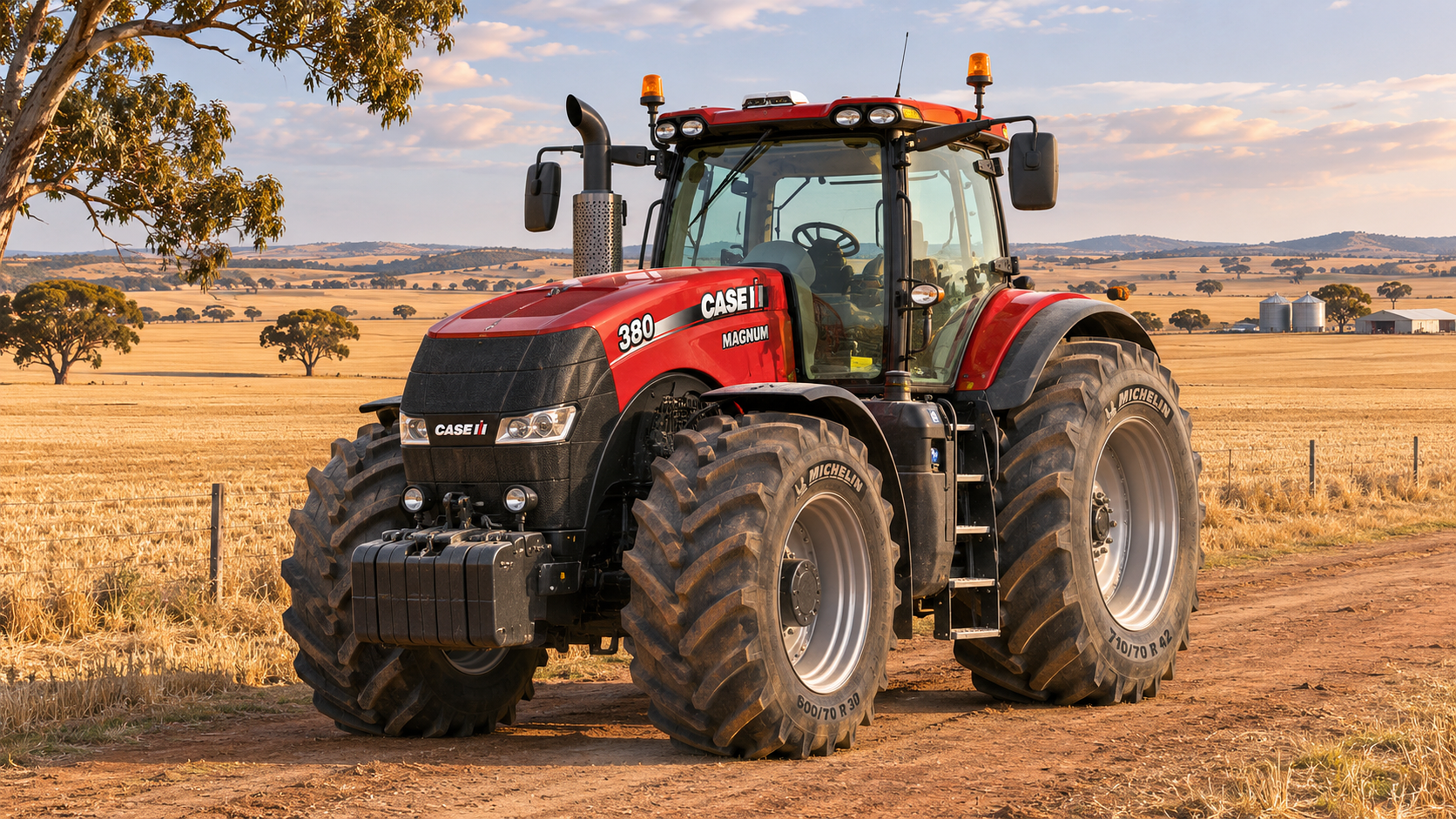




Australian tractor sales fell from a record 17,702 units in 2022 to 9,521 in 2025, according to ANZ’s latest Agri InFocus report. The bank expects sales to remain around 9,000 units in 2026, while identifying larger farms, equipment sharing and high interest rates as forces reshaping demand for agricultural machinery.
The decline of 8,181 tractors represents a fall of about 46% from the 2022 peak. ANZ’s forecast points to another modest reduction in unit sales in 2026, rather than a return to the earlier record level. Together, the figures raise a question for machinery suppliers: how much of the change reflects buyers postponing purchases, and how much reflects a different approach to owning and using equipment?
Fewer sales do not tell the whole story
The figures describe the number of tractors sold, a useful measure of demand for new machines. They do not, on their own, show how much machinery farms are using, the value of equipment sold or the size of individual tractors. A lower unit count therefore points to a smaller sales volume without establishing an equivalent decline in the value of the market.
That distinction matters when considering the effect of larger farms. If a business operates more land, its equipment needs may change, but the number of tractors it buys will depend on how it organizes its operations and uses the machines available to it. The sales figures alone cannot establish how much of the decline is attributable to farm consolidation.
Equipment sharing introduces a separate question about ownership. Where a tractor is shared, more than one user may have access to a machine without each buying one. If that arrangement becomes more common, suppliers could face fewer individual purchase decisions even where demand for access to machinery remains. The extent of that effect will depend on how widely sharing is used and what equipment is involved.
Interest rates and purchasing decisions
ANZ also identifies high interest rates as a factor shaping the market. Financing costs can affect the timing and affordability of a tractor purchase, particularly when a buyer is considering a major equipment commitment. A farm may decide to keep an existing machine in use for longer or reconsider when it needs a replacement.
The distinction between delayed purchases and a lasting change in ownership is important. A sale postponed because of financing costs may eventually return; a purchase avoided because equipment is shared may not follow the same path. Both can reduce near-term sales, but they imply different demand patterns for suppliers over time.
The reported figures do not separate the effects of interest rates, farm scale and sharing. They show a substantial decline from the peak and an expectation of sales near 9,000 units in 2026; they do not establish a precise contribution from each factor.
What the shift could mean for suppliers
A market with fewer tractor transactions may put pressure on businesses that rely heavily on individual equipment sales. ANZ’s report points to a challenge for the traditional model centered on selling a machine to a single owner. If farms continue to grow and sharing becomes more significant, suppliers may need to pay closer attention to how customers obtain and use equipment, as well as how many machines they buy.
Different business activities could feel the change in different ways. A seller focused on new units is directly exposed to the lower sales count. Businesses involved in supporting equipment already in use may face a different set of questions, including how long customers expect to operate their tractors and whether shared machines have different service requirements. Those are potential implications of the trends described by ANZ, rather than outcomes established by the sales data.
For buyers, the same market shift can involve a choice between ownership and access. Sharing may reduce the need for separate purchases, but the practical value of that arrangement depends on whether equipment is available when each user needs it. Larger operations may also assess purchases across a broader set of uses. Neither development points to a single purchasing model for every farm.
The next useful indication will be whether sales settle around ANZ’s 2026 forecast and how purchasing behavior evolves alongside farm consolidation, sharing and financing conditions. A result near the forecast would show continued sales at a level well below the 2022 peak; understanding the longer-term market structure would also require a clearer view of how farms are accessing and replacing equipment.
Related News
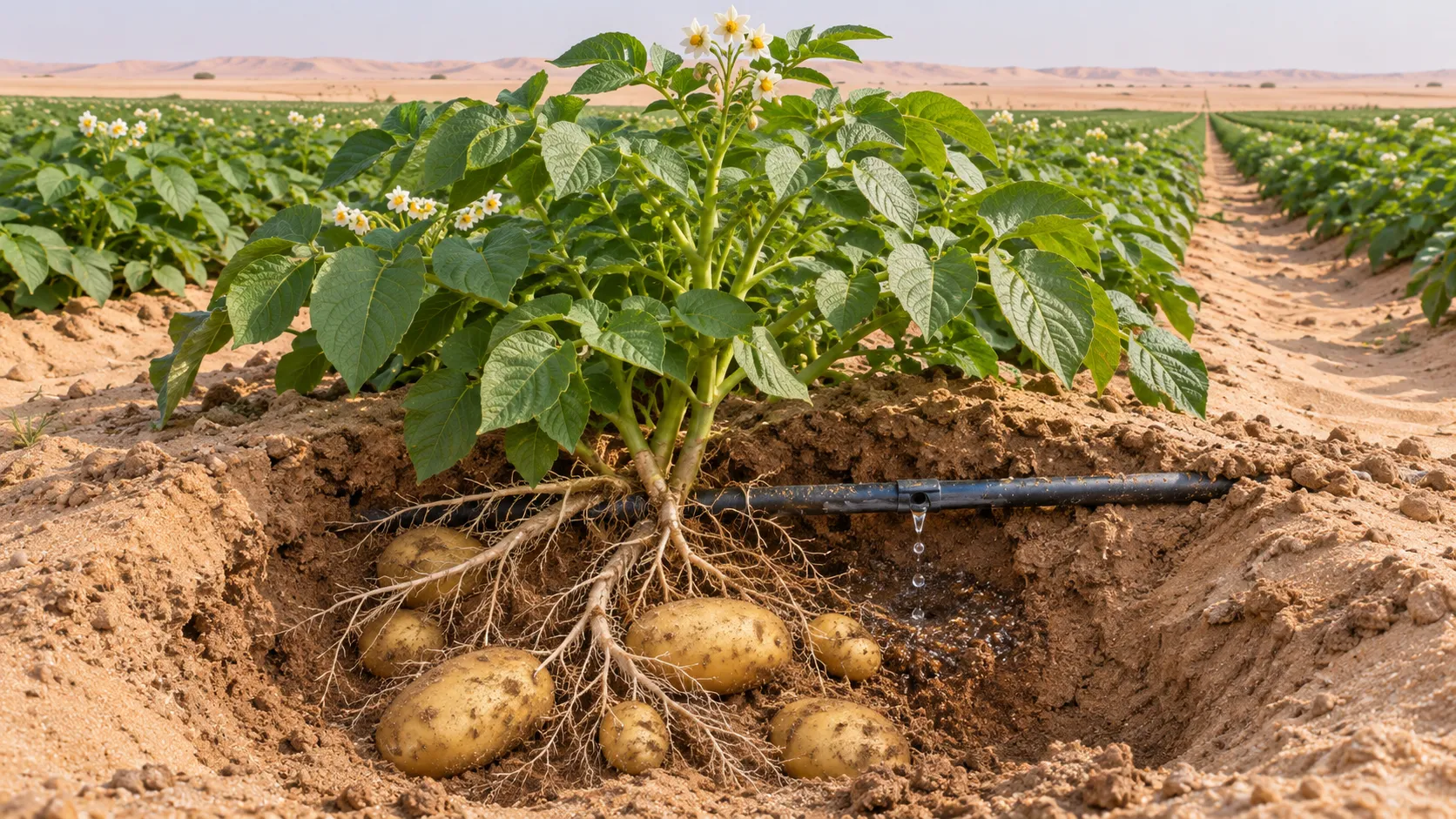
Saudi Agriculture Show Highlights 40% Water Savings for Desert Potatoes
Saudi Agriculture 2026 highlighted subsurface drip irrigation for desert potatoes, with preliminary data suggesting 40% water savings. Explore the implications for growers and buyers.
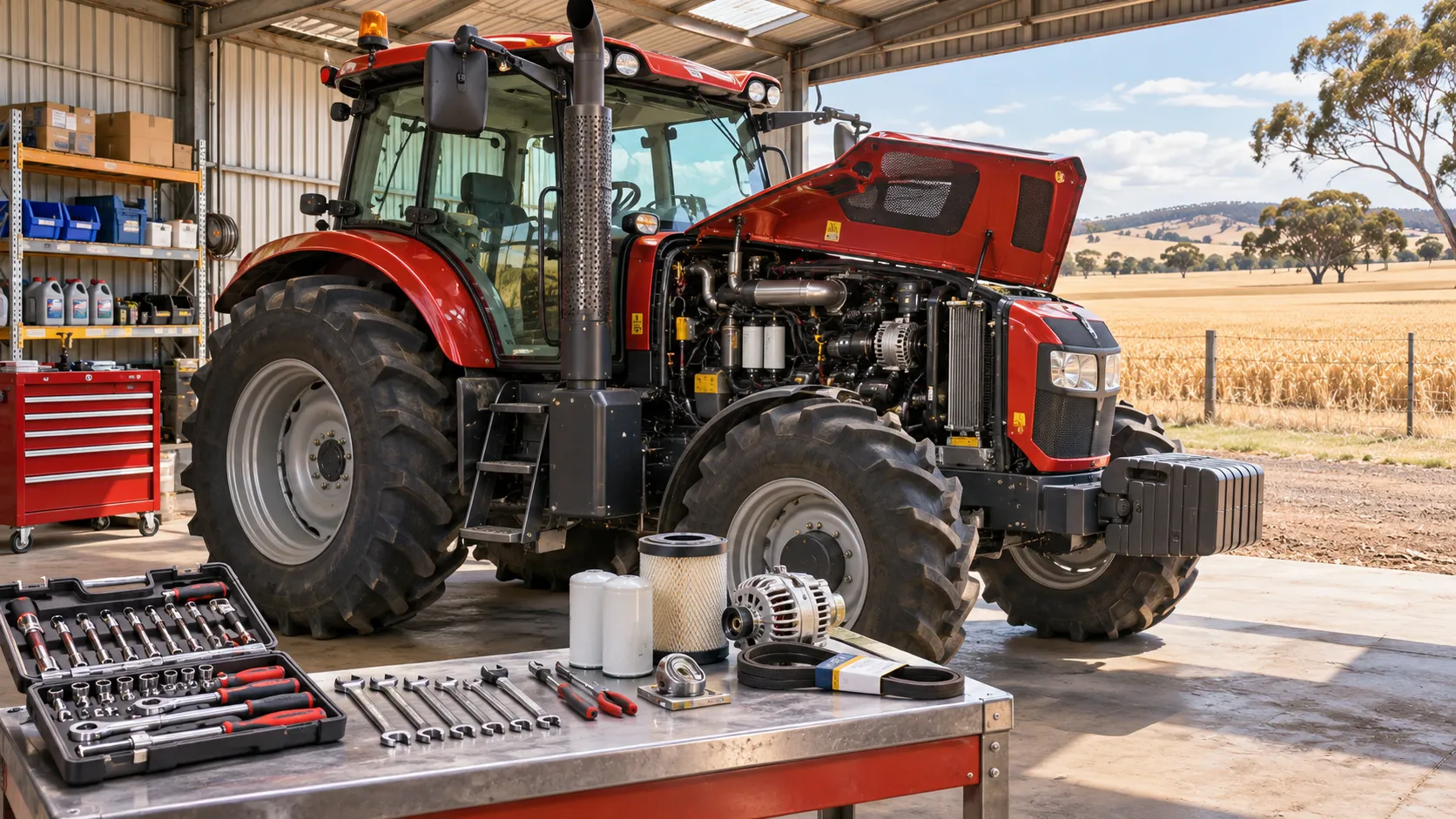
Australia Consults on Extending Right-to-Repair Laws to Agricultural Machinery
Australia’s agricultural machinery right-to-repair proposal could reshape access to parts and software. Explore what it means for farmers, repair costs and downtime.
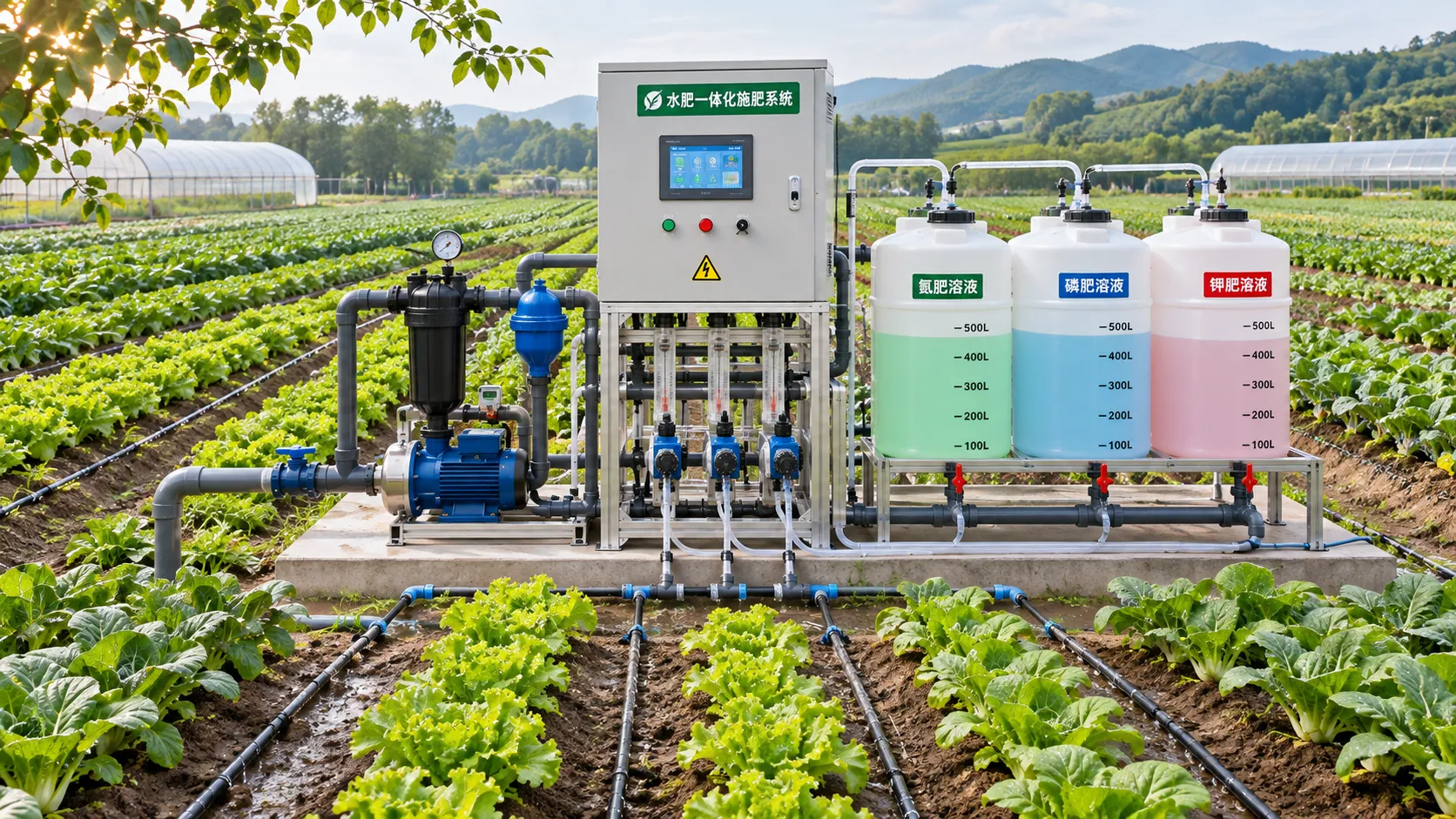
Precision Fertilization Tools for Vegetable Farms: What to Choose and Why
Explore precision fertilization tools for vegetable farms, from fertigation to variable-rate spreaders, and choose the right system for your crops and budget.
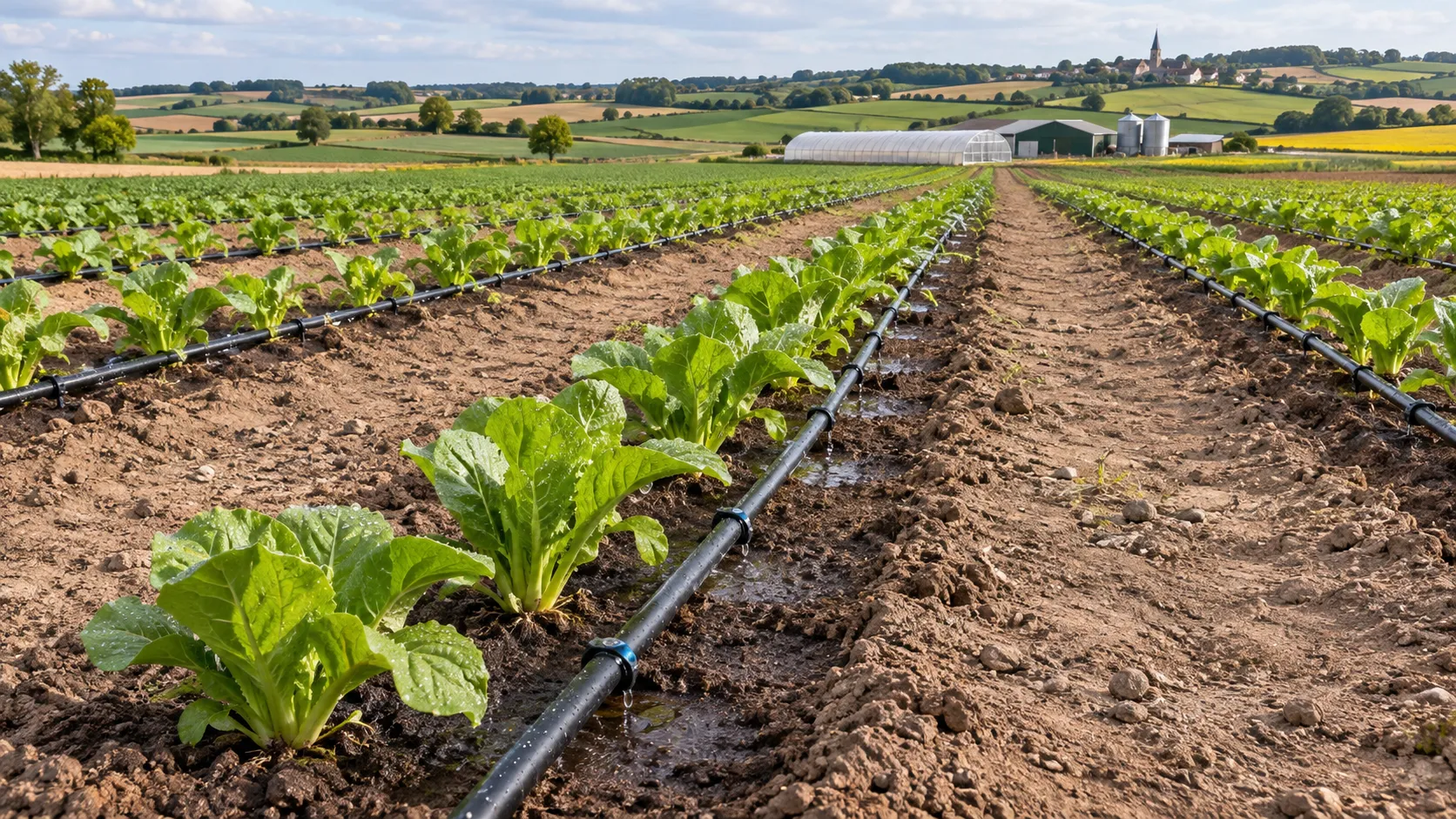
Orbia Netafim Introduces New Regional Model to Accelerate Western European Growth
Orbia Netafim introduces a new Western European regional model. Discover how it aims to improve irrigation services and supply chain responsiveness.
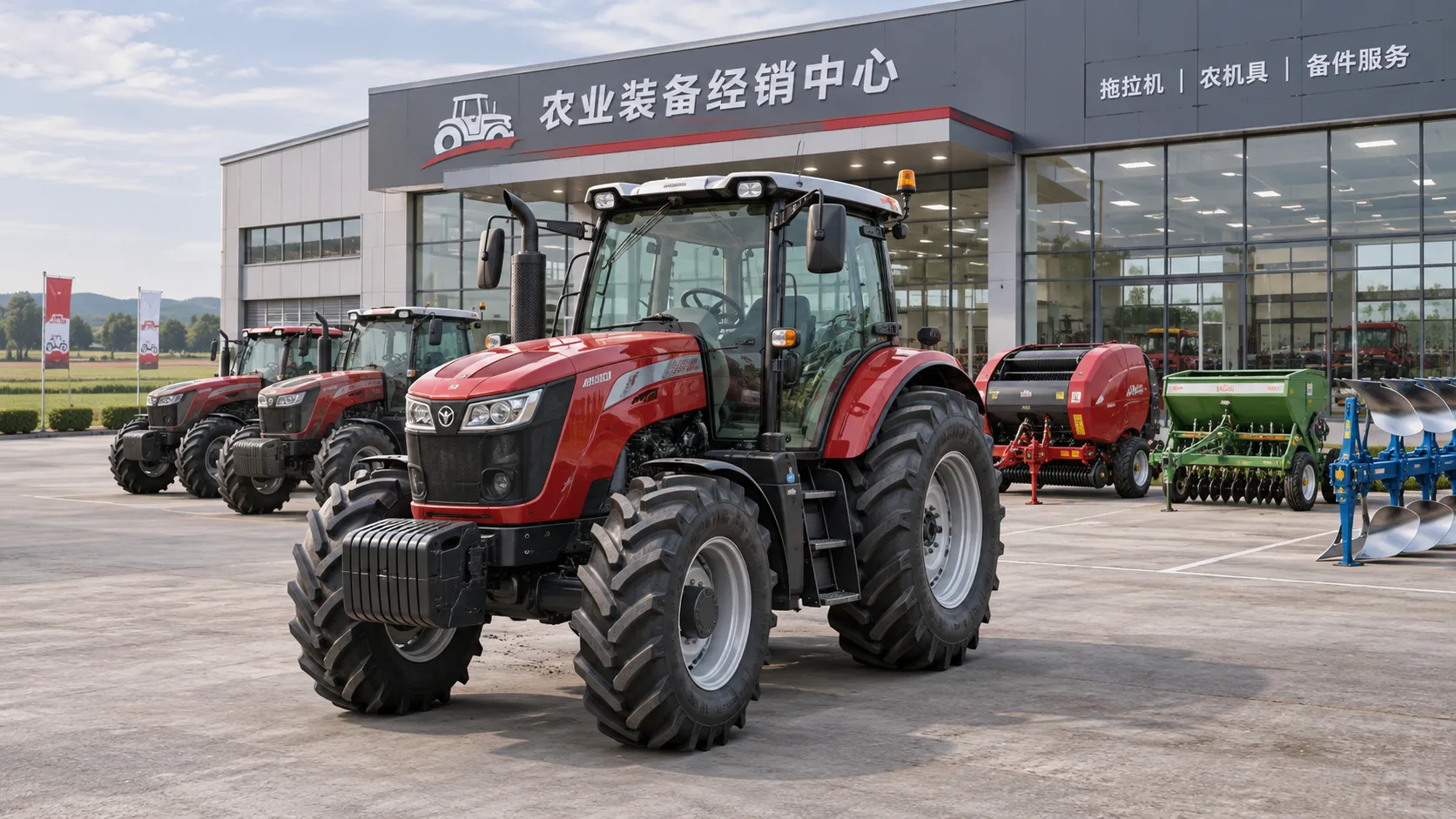
AED and NAEDA Propose Merger to Combine North American Dealer Resources
AED and NAEDA propose a merger to combine dealer resources across North America. Explore what the member vote could mean for benefits and representation.
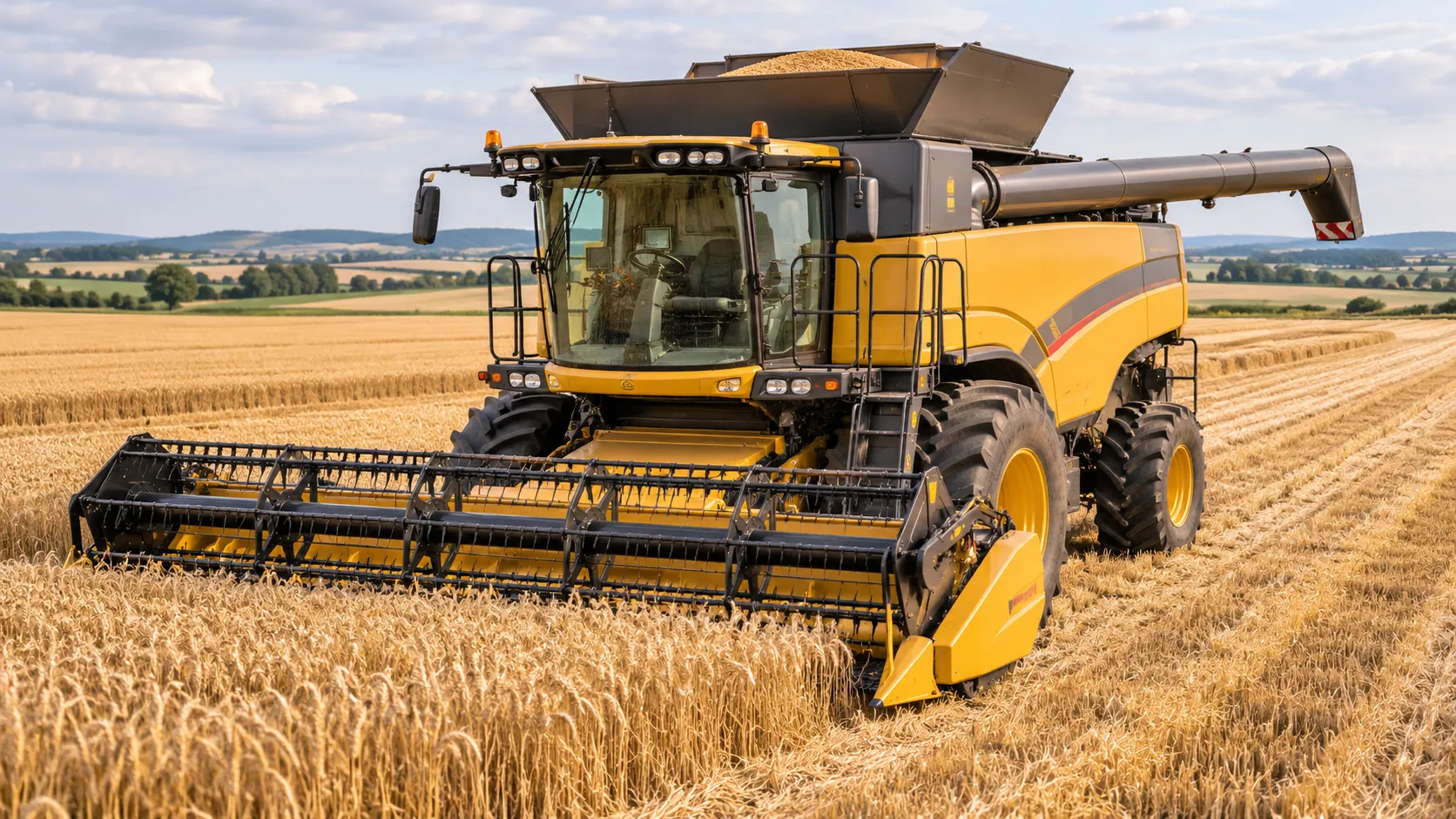
Choosing Large-Scale Agricultural Machinery for Farm Size and Crop Needs
Choose large scale agricultural machinery with confidence. Compare field capacity, crop needs, soil impact, and ownership costs to find the right fit for your farm.
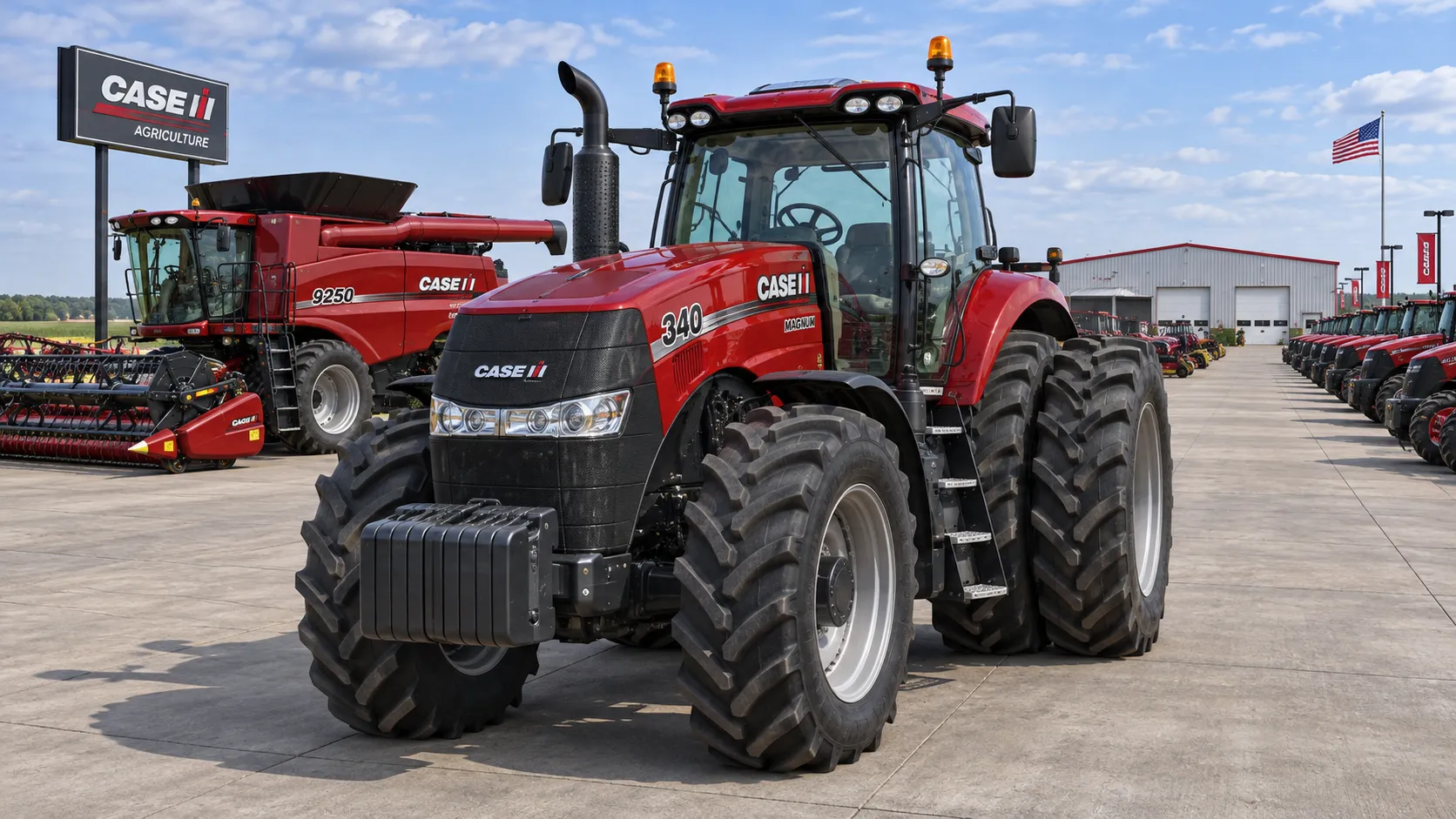
US Farm Equipment Sales Fall: Tractors Down 25.3%, Combines Down 10%
US farm equipment sales are falling, with tractors down 25.3% and combines down 10%. Explore what the figures could mean for buyers and suppliers.
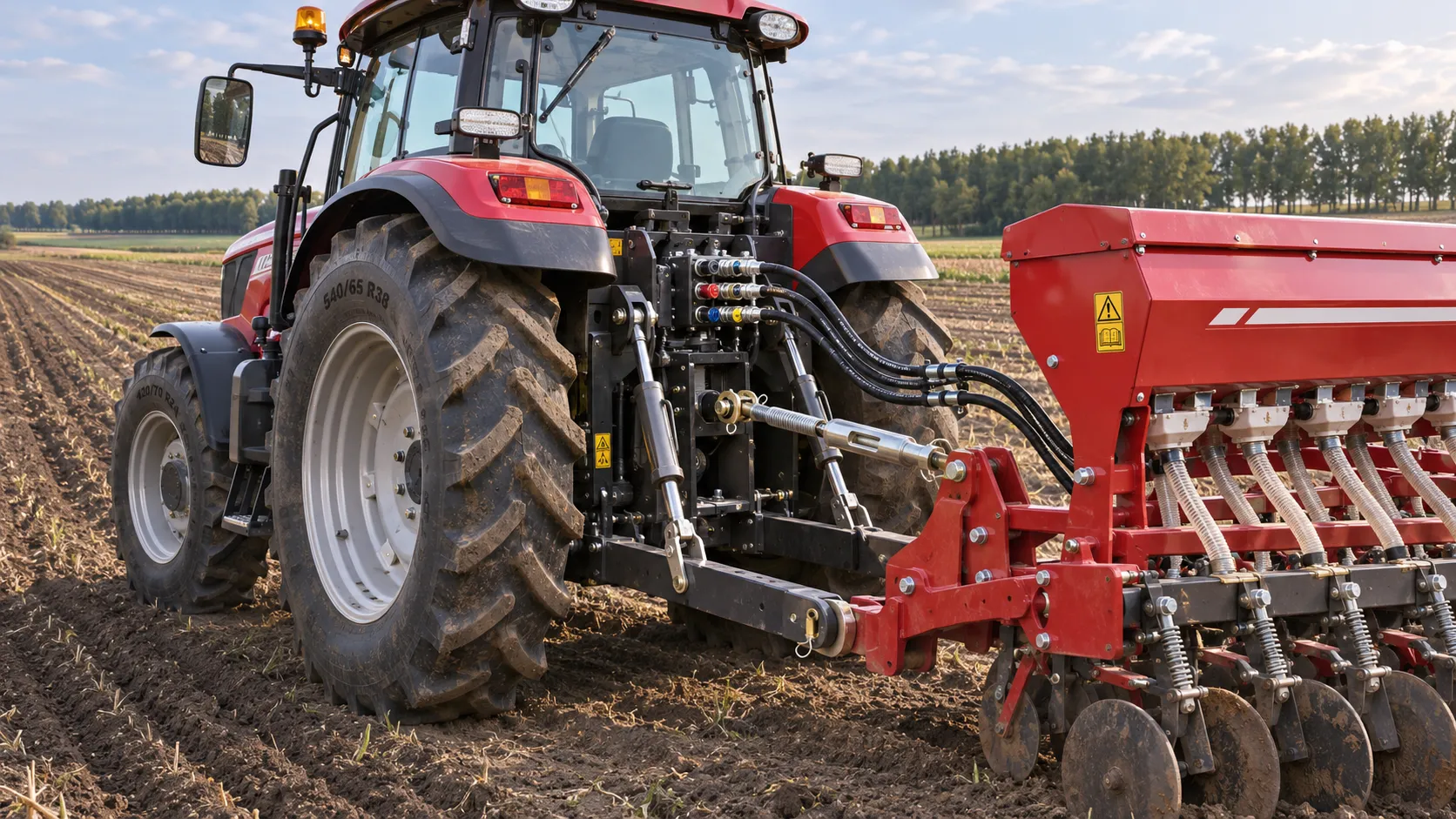
Farm Machinery Hydraulic Specifications: Flow, Pressure and Lift Capacity
Compare farm machinery specifications: hydraulic system flow, pressure and lift capacity. Learn how to match implements and avoid costly compatibility issues.
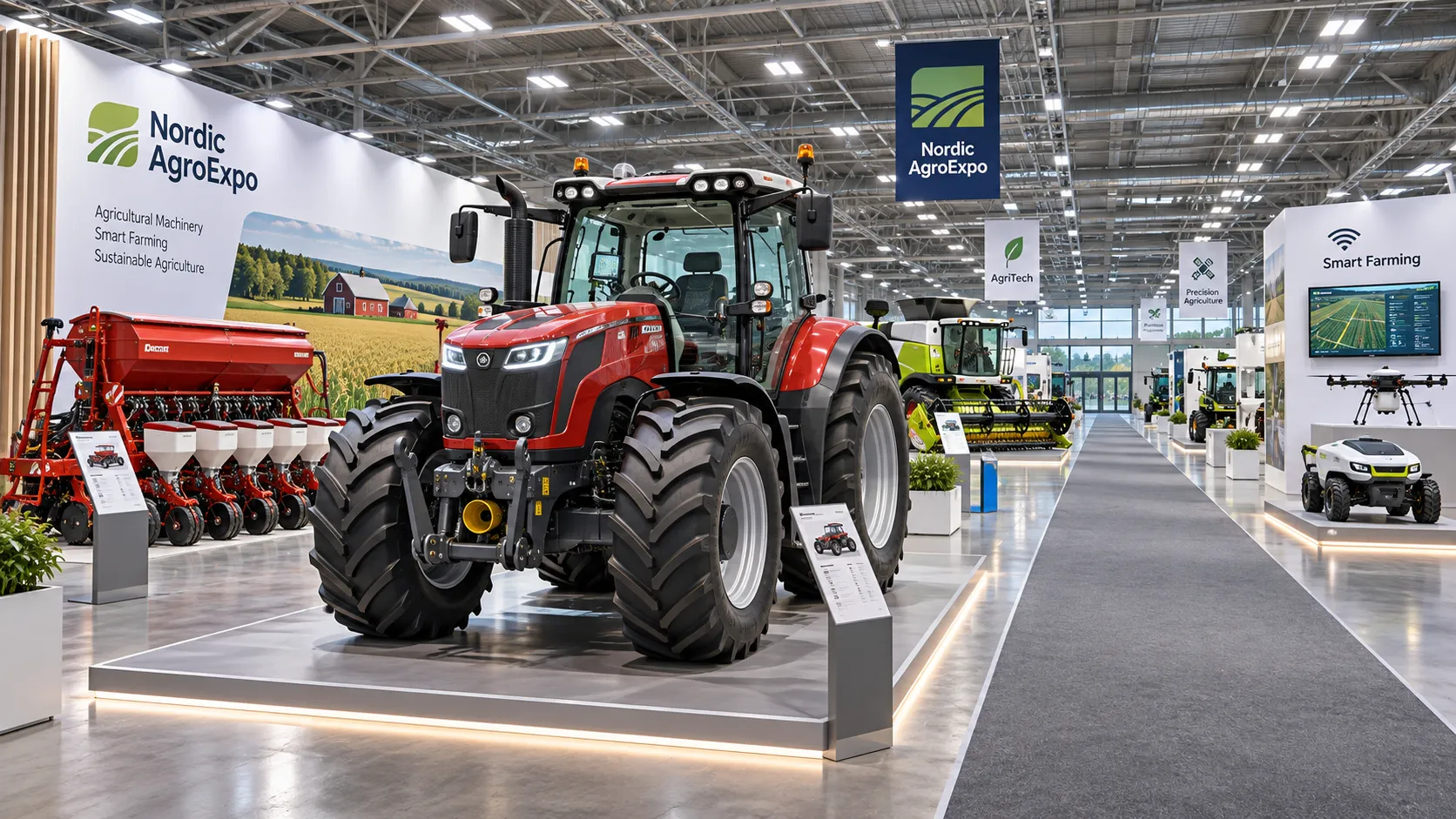
Agromek 2026 Opens in Herning with 530 Exhibitors
Agromek 2026 opens in Herning with 530 exhibitors. Explore agricultural machinery, smart equipment and sustainable farming technologies.
Related News
- 00
0000-00
ANZ: Australian Tractor Sales Fall from 2022 Peak as Farm Consolidation Reshapes Market - 00
0000-00
Choosing Large-Scale Agricultural Machinery for Farm Size and Crop Needs - 00
0000-00
Resource-Saving Standards in Europe: Which EU Rules Apply to Products? - 00
0000-00
Global Precision Farming Market Forecast to Reach $22.3 Billion by 2034 - 00
0000-00
Climate-Smart Agriculture Investments: Evaluating ROI and Climate Risks
0000-00
Popular Tags
Ms. Elena Rodriguez
Weekly Insights
Stay ahead with our curated technology reports delivered every Monday.