Precision Fertilization Tools for Vegetable Farms: What to Choose and Why
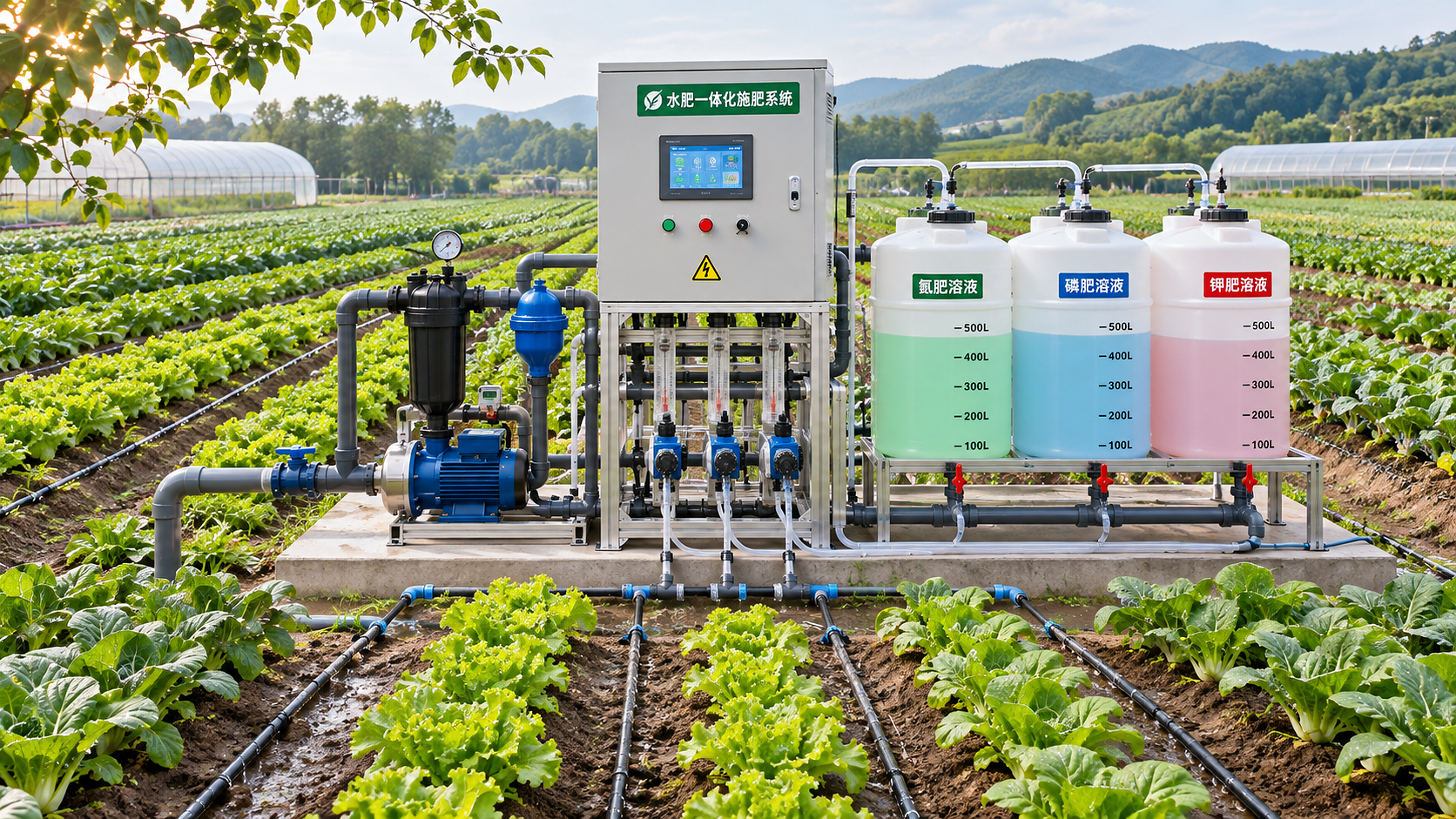




The best precision fertilization tools for vegetable farms depend on where nutrients need to be placed and how the crop receives water. Fertigation controllers suit irrigated blocks that need frequent soluble nutrient applications; row or band applicators suit localized soil placement; and variable-rate spreaders suit fields where nutrient requirements vary across mapped zones. Sensor-guided systems add value only when their measurements can support a reliable nutrient decision.
Equipment accuracy alone is not enough. Bed geometry, crop rotations, fertilizer formulation, irrigation uniformity, and the ability to verify delivered rates determine whether a system can turn a prescription into useful field performance.
Comparing precision fertilization tools for vegetable farms
The choice is not necessarily exclusive. A farm can apply a localized basal fertilizer with a bed-mounted implement and deliver later nutrients through drip irrigation. The two systems must share a nutrient budget so that a precise application at each pass does not become an excessive total application.
Start with the nutrient delivery route
Fertigation: frequent adjustment through the irrigation network
Fertigation combines soluble fertilizer injection with irrigation water. It is attractive where vegetables are grown under drip irrigation because nutrients can be divided across crop stages and irrigation zones without repeated machinery passes.
The controller is only one part of the system. Pumps or proportional injectors, stock tanks, filtration, flow measurement, valves, and safeguards against backflow all influence the result. Electrical conductivity (EC) and pH sensors can support control, but EC measures total ionic concentration, not the concentration of each nutrient. A satisfactory EC reading does not prove that the nitrogen, potassium, or other nutrient balance is correct.
Check whether the injector can meter accurately at the lowest and highest required flow rates, including short irrigation events. A device sized for a large mainline may be difficult to control when only a small block is active. Review water pressure and flow variations, stock-solution concentration, mixing capacity, and the response time between a dosing change and its arrival at the field.
Fertigation also inherits the weaknesses of the irrigation network. Pressure variation, leaks, blocked emitters, or uneven run times cause uneven nutrient delivery. Assess distribution uniformity and repair the system before assuming that a more sophisticated controller will improve field-level precision.
Confirm fertilizer compatibility in concentrated stock solutions as well as after dilution. Incompatible products can precipitate, block equipment, and remove nutrients from solution; separate stock tanks and suitable dilution may be required. Backflow protection and discharge controls should meet applicable local requirements and the water supplier’s conditions.
Band application: placement matters as much as rate
Band applicators place fertilizer in a defined zone rather than distributing it across the entire soil surface. They can be useful for bed-grown vegetables where nutrient access near the developing root zone matters and the fertilizer is applied before planting or alongside an established crop.
Evaluate the complete placement system: opener or coulter geometry, depth control, bed following, row alignment, and distance from the seed or transplant. A metering system can deliver the correct mass and still place it too close to the crop, creating a risk of salt or ammonia injury. Safe placement depends on fertilizer chemistry, rate, soil moisture, soil texture, and crop sensitivity.
For sidedressing, check crop clearance throughout the intended growth window. Narrow beds, plastic mulch, drip tape, and uneven ground can constrain where the applicator can travel and whether its components can reach the target zone without damaging the crop or irrigation system.
Variable-rate spreading: useful only where zones are meaningful
Variable-rate spreaders adjust the application rate using a prescription map or another control signal. They are suited to granular basal applications where soil tests, yield observations, field history, or other evidence identify areas that warrant different rates.
Map resolution should match the practical resolution of the machine. A prescription containing narrow strips offers little benefit if the spread pattern covers several beds and cannot be controlled by section. Field boundaries, headlands, overlap, and small irregular blocks deserve particular attention because they can form a substantial share of a vegetable field’s treated area.
Check how quickly the metering system responds to a rate change and how the controller accounts for the distance between the metering point and actual deposition. Product flow and spread pattern also vary with granule size, density, moisture, and condition. Calibration for one fertilizer should not be assumed valid for a different blend.
Decide whether sensing improves the prescription
Sensors measure a crop or soil characteristic; they do not directly establish the complete fertilizer requirement. Canopy reflectance, for example, can indicate differences in vegetation condition, but water stress, disease, plant density, soil background, and growth stage can influence the same signal.
A sensor-guided system is strongest when a crop-specific interpretation method links the measurement to a decision, and when that decision can be acted on within the relevant application window. Check what crop, growth stage, nutrient, and field conditions the algorithm supports. A sensor calibrated for a broad-acre cereal should not be assumed suitable for a leafy vegetable simply because both produce a vegetation index.
Soil tests, tissue analysis, irrigation records, and crop observations can provide complementary evidence. Soil sampling should represent the management zones being treated and the relevant rooting depth; tissue results should be interpreted using suitable crop and growth-stage guidance. Neither a single laboratory result nor a live sensor reading replaces a nutrient plan that accounts for existing soil supply, applied nutrients, and expected crop demand.
Separate monitoring from closed-loop control. A dashboard can display sensor readings without automatically changing an application. If automatic control is offered, establish the decision rules, acceptable operating range, alarm thresholds, and manual override before connecting it to dosing or metering hardware.
Specify performance at the field boundary, not just the controller
A supplier’s rated metering accuracy does not describe the entire application chain. For granular fertilizer, the relevant outcome includes mass metered, distribution across the working width, overlap, and actual placement. For fertigation, it includes injected mass, delivered water, mixing, irrigation distribution, and the timing of nutrient arrival.
- Application range: Can the system handle the lowest and highest required rates without unstable metering or excessive refill intervals?
- Spatial control: Does its effective control width match bed spacing, block dimensions, and the management zones in the prescription?
- Position and timing: Are positioning, implement offsets, travel speed, and application delays adequate for the required placement?
- Formulation: Can wetted components, seals, pumps, and metering parts handle the fertilizer’s chemistry and physical properties?
- Evidence of delivery: Can the system record commanded and actual rates, treated area or irrigation volume, operating time, and faults?
- Safe failure: What happens after a lost positioning signal, blocked line, empty tank, sensor fault, or communication interruption?
For mapped application, confirm that field boundaries, coordinate systems, units, and prescription files move correctly between planning software and the machine. An ISO 11783 or ISOBUS claim can be useful, but it does not by itself prove that every task, variable-rate function, or data record will work across a particular tractor, terminal, and implement. Test the intended combination and functions.
For irrigation integration, verify how the controller receives flow and pressure information, addresses individual valves, and exchanges commands with existing automation. Clarify whether data export, remote access, and essential control functions depend on a subscription or network connection, and what operation remains available when connectivity is lost.
Use a field acceptance test that exposes the weak points
Specify acceptance criteria before installation or purchase. The criteria should cover the intended operating range and represent the fertilizer, water, bed layout, and travel conditions in which the equipment will actually be used.
- Confirm the prescription. Check the intended nutrient rate and convert it consistently to product rate or stock-solution dosing. Record units, treated area, and assumptions about fertilizer analysis.
- Calibrate the delivery device. For a granular applicator, collect and weigh output over a measured time or distance. For fertigation, compare measured injection and water volumes with the commanded settings at representative operating flows.
- Check distribution and placement. Assess spread pattern or band position where relevant; for fertigation, evaluate irrigation flow and pressure across representative points in the block. Metering accuracy alone is not a distribution test.
- Test transitions and faults. Verify rate changes, starts and stops, zone switching, alarms, and manual override. Include headlands, small zones, and the lowest planned flow or rate.
- Reconcile records. Compare the logged application with tank depletion or material used, treated area, and operating time. Investigate discrepancies before using the logs for nutrient accounting.
Repeat calibration when fertilizer properties, equipment settings, or operating conditions change materially. Document who performs cleaning, sensor checks, replacement of wear parts, and seasonal recommissioning; neglected maintenance can undermine the value of automated control.
Compare lifetime cost against a credible baseline
The relevant baseline is not an uncalibrated system assumed to perform poorly. Compare the proposed solution with a practical alternative: a well-calibrated fixed-rate applicator, a simpler injector, or an existing machine operated with better field records. Include any irrigation repairs or mapping work needed for the proposed system to function as intended.
Account for equipment, installation, sensors, positioning service if needed, software, connectivity, calibration, maintenance, training, and downtime. Balance these costs against measurable outcomes such as reduced fertilizer use without compromising crop performance, fewer application passes, improved placement, or more complete records. Avoid counting the same benefit twice—for example, treating a reduction in passes and the associated fuel saving as unrelated outcomes.
A simple payback calculation can divide the additional installed cost by the expected annual net benefit after recurring costs. Because yield and nutrient savings are uncertain, test conservative and favorable assumptions separately rather than presenting one forecast as guaranteed. Where water quality, runoff risk, or traceability matters, include those operational benefits in the decision even when they are not easily expressed as a cash saving.
Match the investment to the farm’s limiting factor
For a drip-irrigated block with reliable water distribution and frequent nutrient adjustments, a properly sized fertigation controller is a strong starting point. If the irrigation network is uneven, repair and measure it before investing in finer dosing control.
For vegetables grown on defined beds without suitable fertigation infrastructure, prioritize a band applicator that maintains accurate depth and row position. For broad fields with demonstrable soil variability, a calibrated variable-rate spreader can match basal inputs to management zones, provided its spread width and response fit the field geometry.
Choose sensor-guided automation when the crop-specific interpretation, application window, and control integration are demonstrably sound. Where those conditions are absent, a calibrated fixed-rate system supported by representative sampling and clear records can be the more defensible precision choice.
Related News
Orbia Netafim Introduces New Regional Model to Accelerate Western European Growth
Orbia Netafim introduces a new Western European regional model. Discover how it aims to improve irrigation services and supply chain responsiveness.
AED and NAEDA Propose Merger to Combine North American Dealer Resources
AED and NAEDA propose a merger to combine dealer resources across North America. Explore what the member vote could mean for benefits and representation.
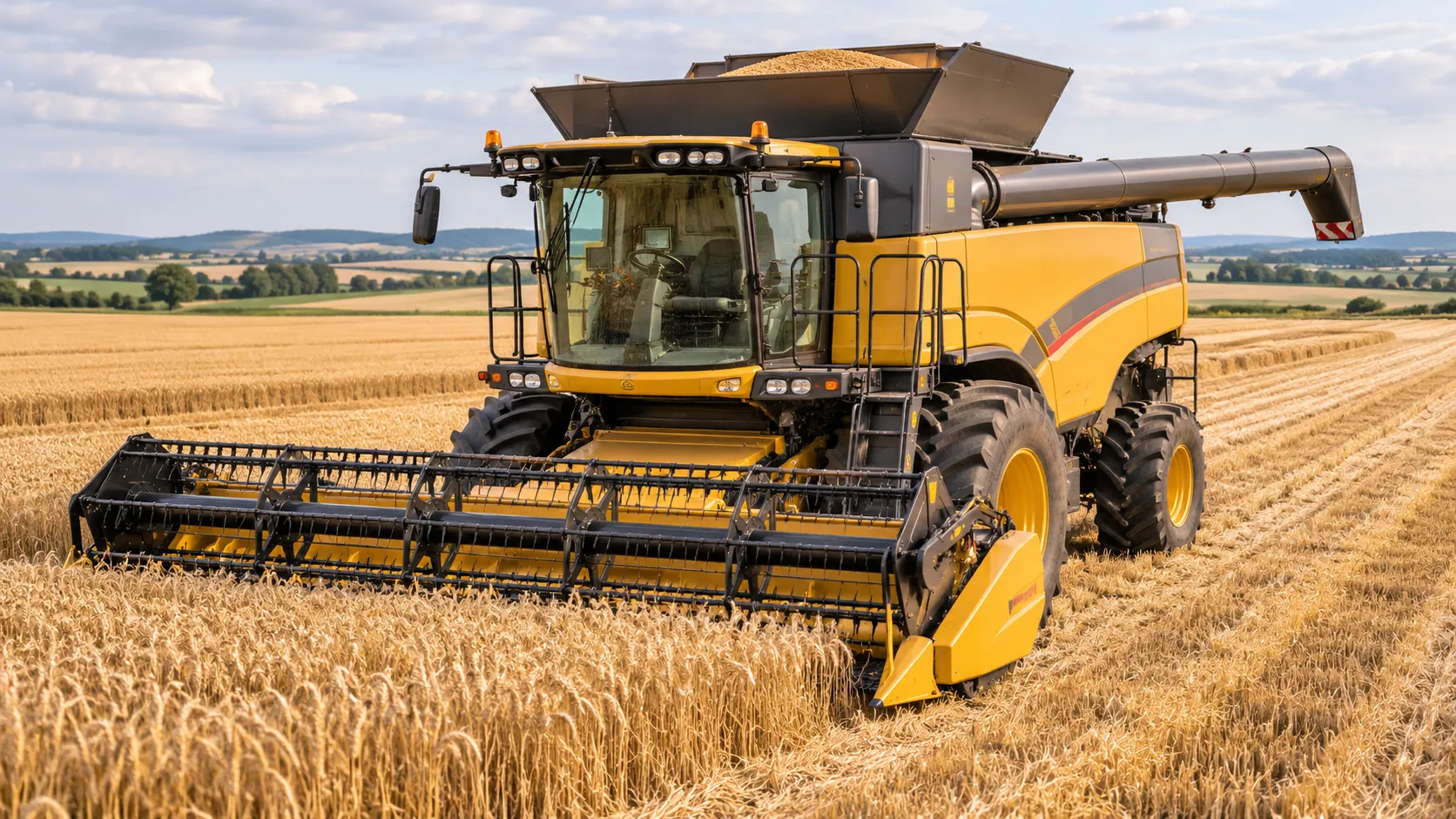
Choosing Large-Scale Agricultural Machinery for Farm Size and Crop Needs
Choose large scale agricultural machinery with confidence. Compare field capacity, crop needs, soil impact, and ownership costs to find the right fit for your farm.
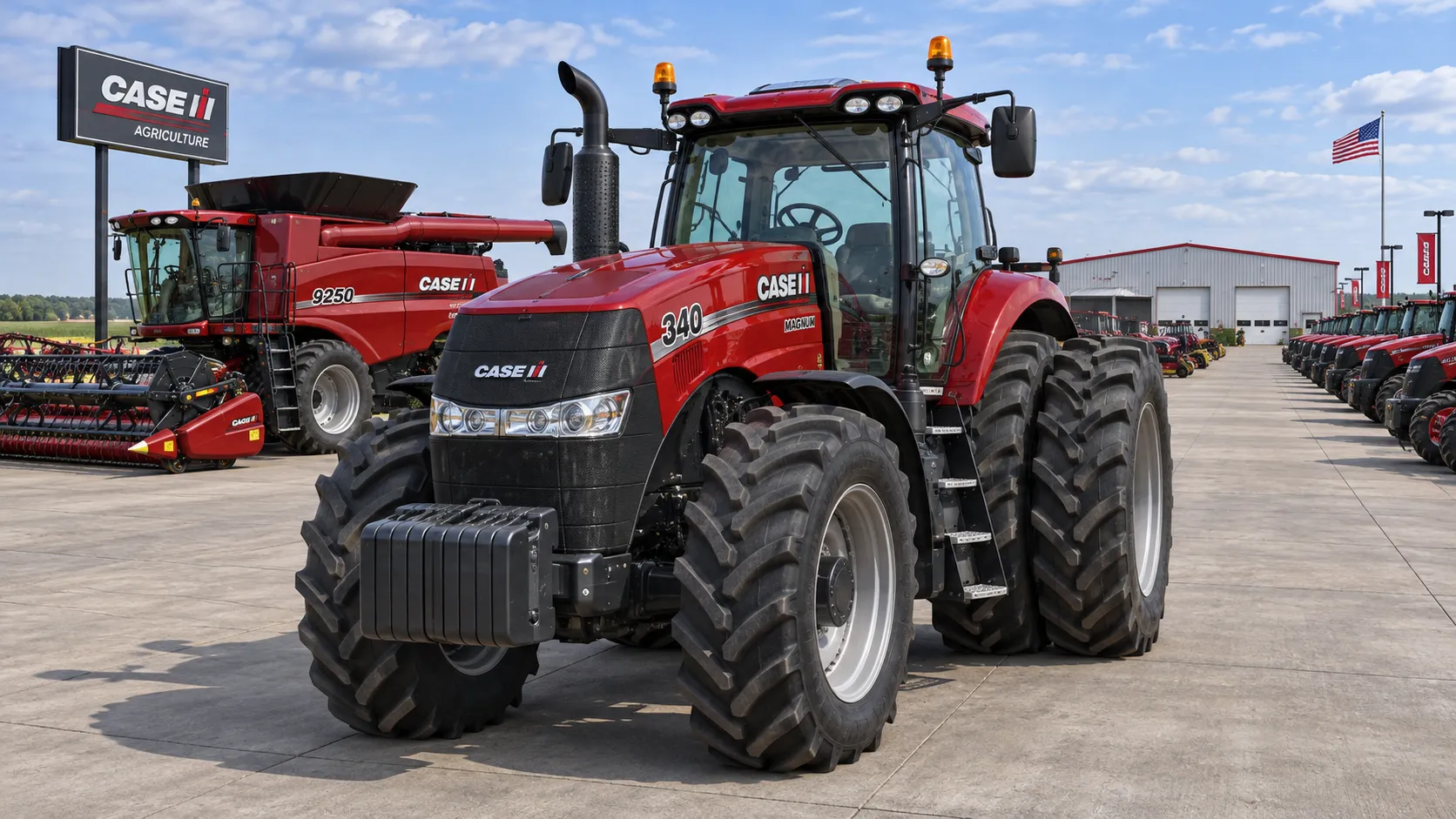
US Farm Equipment Sales Fall: Tractors Down 25.3%, Combines Down 10%
US farm equipment sales are falling, with tractors down 25.3% and combines down 10%. Explore what the figures could mean for buyers and suppliers.
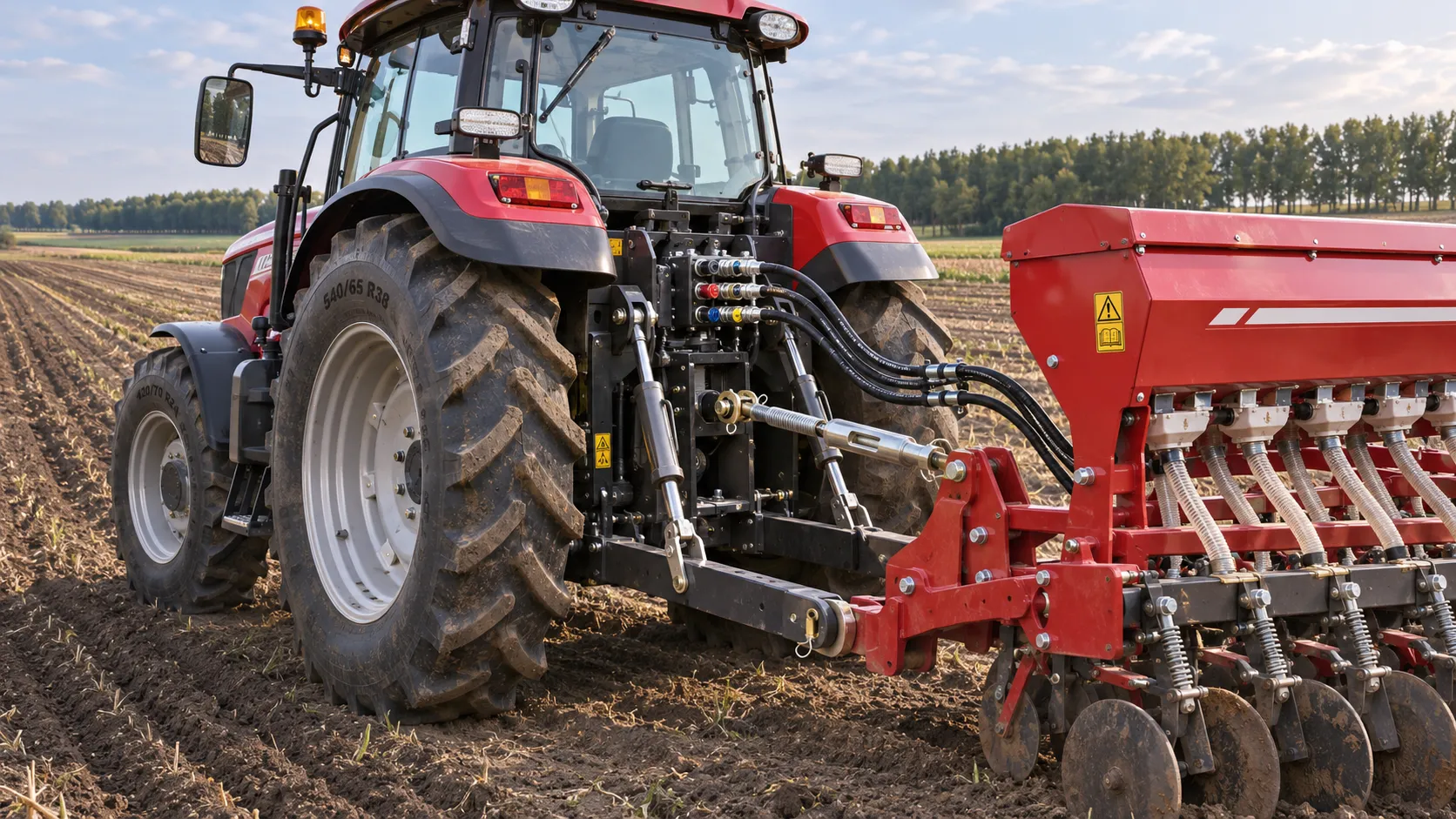
Farm Machinery Hydraulic Specifications: Flow, Pressure and Lift Capacity
Compare farm machinery specifications: hydraulic system flow, pressure and lift capacity. Learn how to match implements and avoid costly compatibility issues.
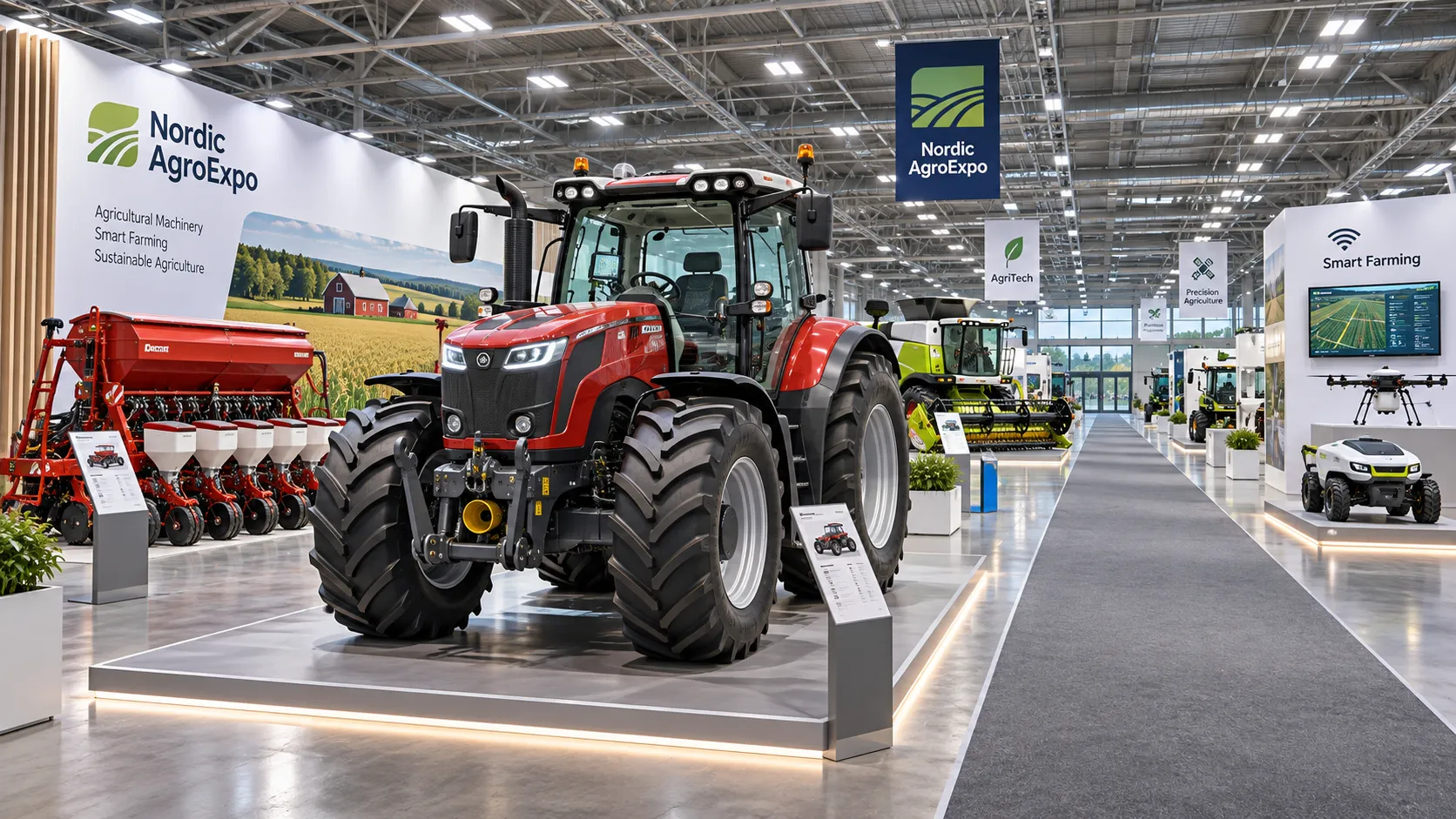
Agromek 2026 Opens in Herning with 530 Exhibitors
Agromek 2026 opens in Herning with 530 exhibitors. Explore agricultural machinery, smart equipment and sustainable farming technologies.
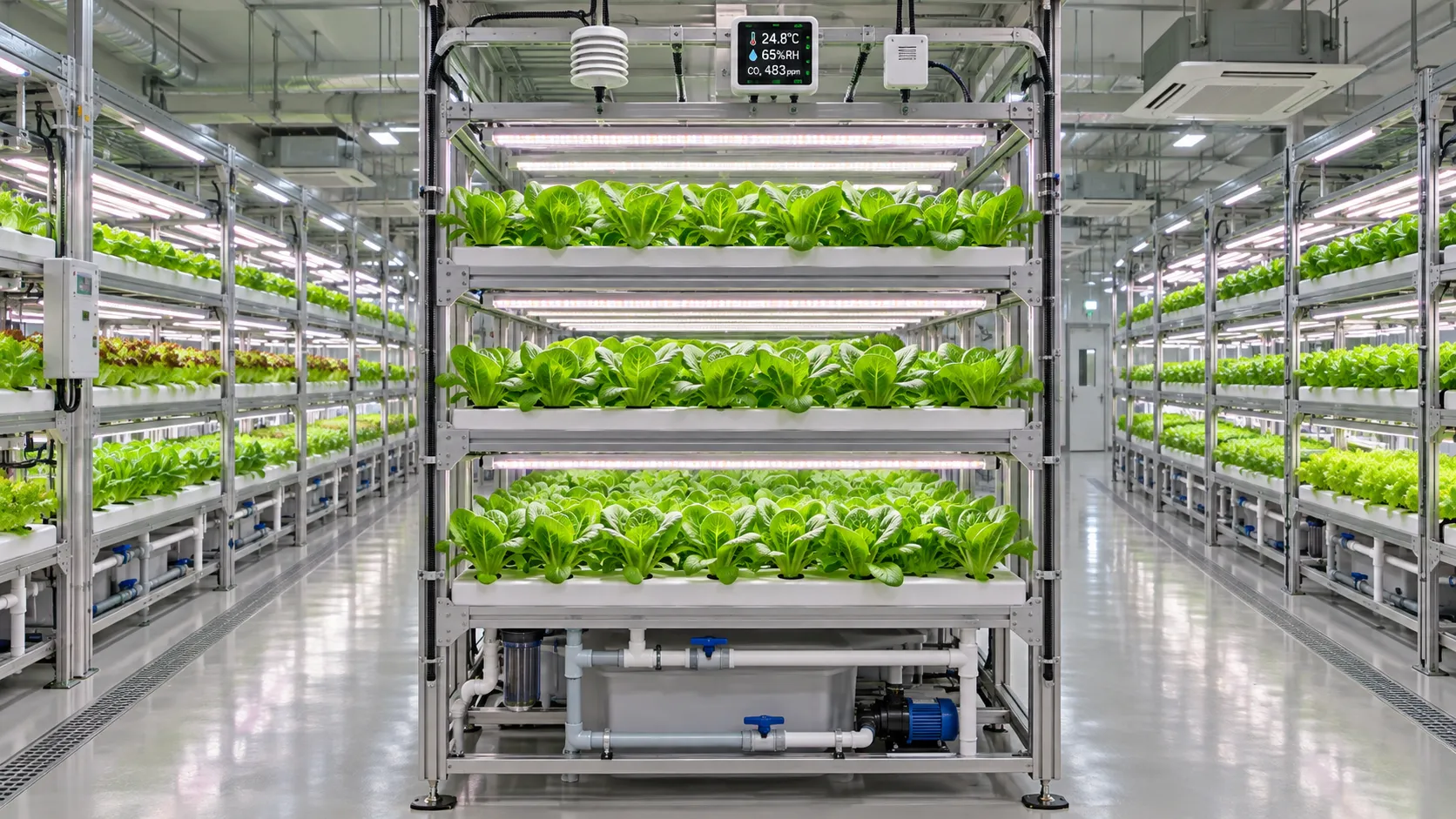
Guangming Daily Explores a Greener, More Resilient Future for Agriculture
Explore how agricultural technology, from AI and biotechnology to plant factories, could support greener, more resilient farming and inform smarter purchasing decisions.
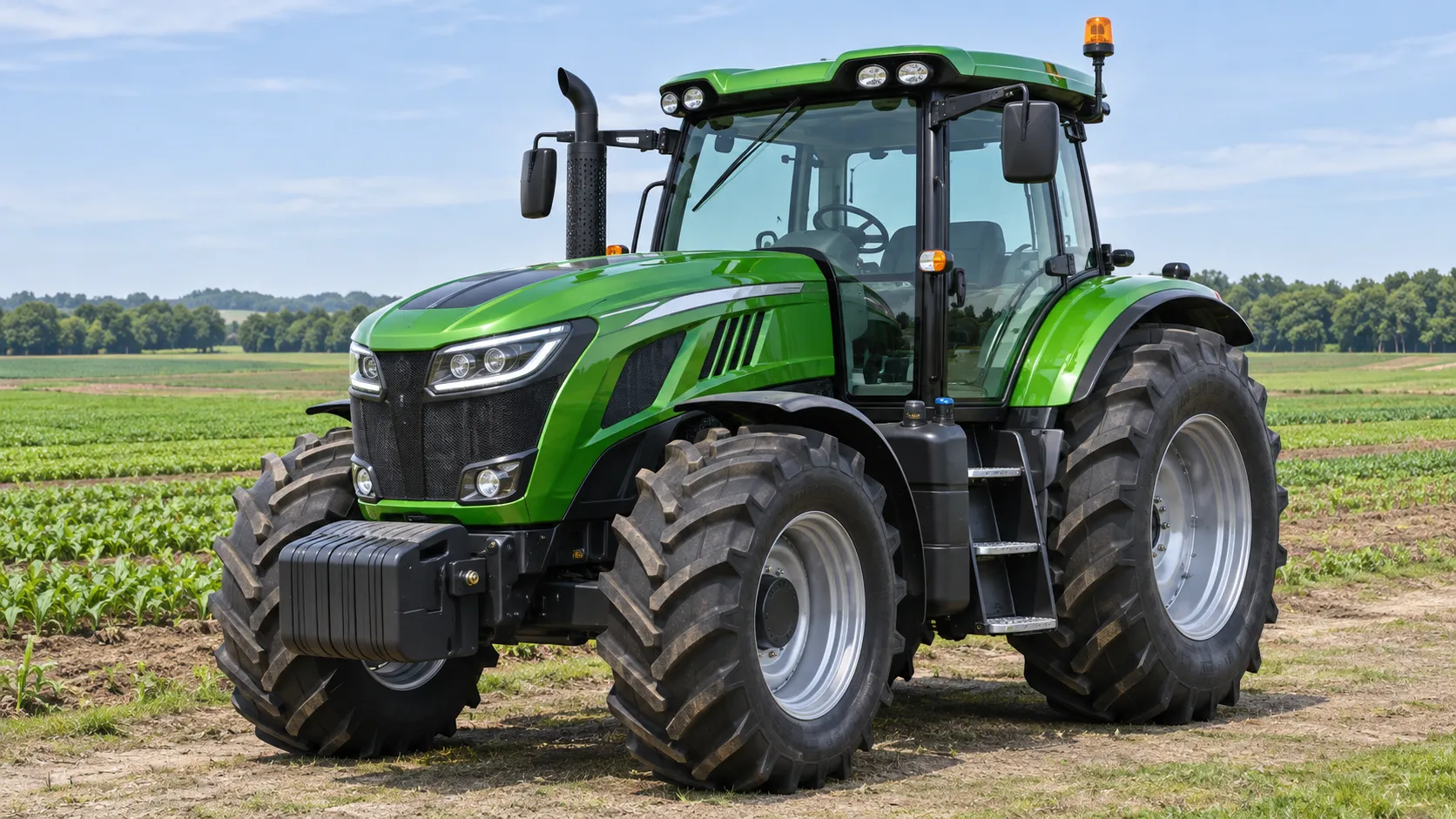
DEUTZ-FAHR 7 Series TTV to Feature FPT N67 Engine at EIMA 2026
DEUTZ-FAHR 7 Series TTV tractors will feature the FPT N67 engine at EIMA 2026. Explore the three-model range and its maximum output of 271 horsepower.
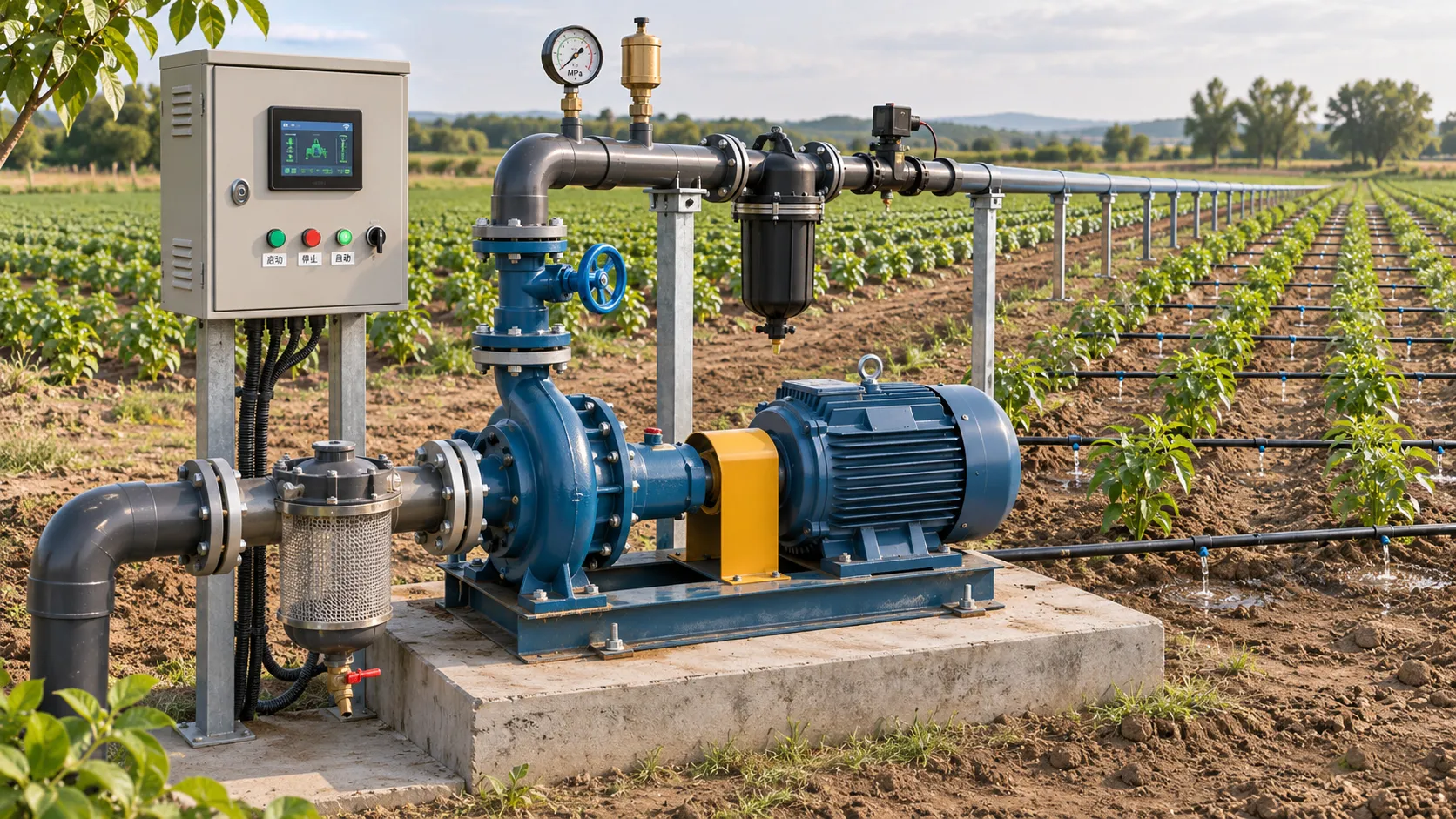
Resource-Saving Standards in Europe: Which EU Rules Apply to Products?
Explore resource-saving standards Europe applies to products, from ecodesign and energy labels to irrigation equipment. Find out which EU rules apply.
Related News
- 00
0000-00
Precision Fertilization Tools for Vegetable Farms: What to Choose and Why - 00
0000-00
How Precision Farming Algorithms Guide Variable-Rate Fertilizer Application - 00
0000-00
Choosing a Precision Fertilization Equipment Manufacturer: What to Check - 00
0000-00
How Smart Sprayers Adjust Application Rates Across a Field - 00
0000-00
Choosing Precision Agriculture Controllers: ISOBUS and Variable-Rate Compatibility
0000-00
Popular Tags
Tractor Power Architect
Weekly Insights
Stay ahead with our curated technology reports delivered every Monday.