Saudi Agriculture Show Highlights 40% Water Savings for Desert Potatoes
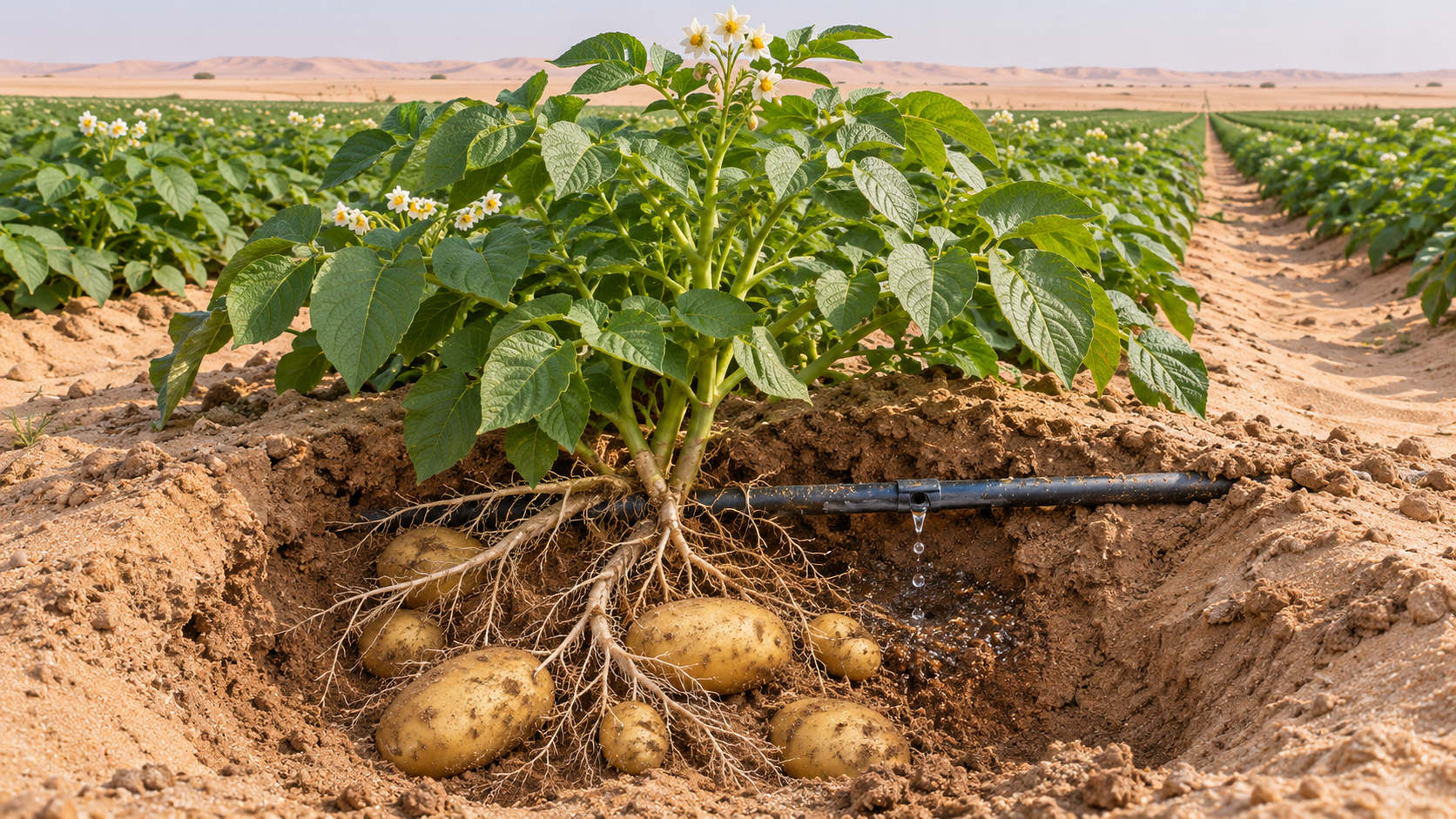




Subsurface drip irrigation (SDI) for potato cultivation drew attention at Saudi Agriculture 2026 in Riyadh, where preliminary field data indicated a 40% reduction in water use and a 30% reduction in nitrogen leaching. The event date was not specified. The information provided identifies no new policy, regulation or standard; its immediate relevance to growers, equipment suppliers and buyers lies in whether the reported results could influence future purchasing specifications and how water efficiency is assessed.
Potato Irrigation Takes Center Stage in Riyadh
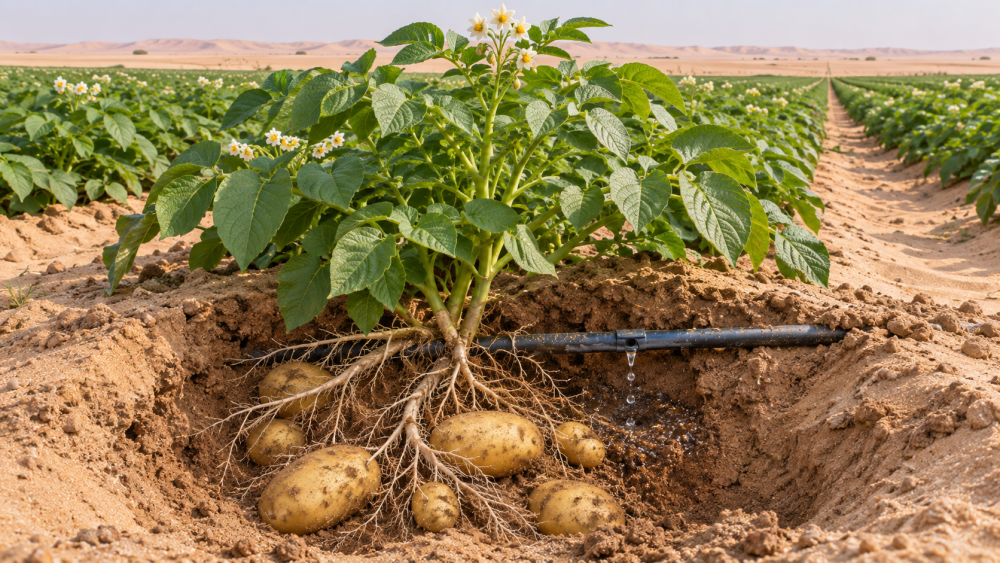
At Saudi Agriculture 2026, SDI technology was a focus of attention. The system was positioned 25 centimeters below the surface specifically for potato cultivation. Preliminary field data reported a 40% reduction in water use and a 30% reduction in nitrogen leaching.
The presentation described the technology as a precision irrigation solution for food security and efficient water management in extremely arid areas. The event date was not specified in the supplied information.
Where the Results Could Affect Purchasing and Delivery
Growers Face a Question of Transferability
From a grower's perspective, the reported reduction in water use is potentially relevant to irrigation planning for potatoes in dry conditions. The 30% nitrogen-leaching figure also draws attention to how irrigation and nutrient management are considered together. Neither figure, however, establishes what another site will achieve. Analysis suggests that buyers would need enough information about the comparison and the field conditions to decide whether the results are relevant to their own operations.
For purchasing teams, this may change the questions asked before selecting an irrigation system. A supplier's description of installation depth could be assessed alongside its proposed method for monitoring water delivery and maintaining the system. These are suggested procurement checks, not requirements established by the event. The input does not identify a mandatory performance threshold or a purchasing rule for potato growers.
Equipment and Installation Proposals May Need More Detail
For equipment suppliers and system integrators, the potential commercial effect is less a newly documented obligation than closer scrutiny of performance claims. A proposal that cites the reported savings may invite questions about the field setup, the baseline and the measurement period. Suppliers may therefore find it useful to distinguish clearly between the preliminary results presented at the exhibition and performance estimates for a particular customer's project.
Installation and delivery teams could also be affected if buyers seek systems designed around a specified placement depth. The reported 25-centimeter depth is a feature of the potato application described in the input; it should not be presented as a universal installation rule. Project documents could instead explain the proposed depth, the basis for selecting it and how the installed system will be checked against the agreed design.
Testing and Service Providers Could See Different Questions
Analysis suggests that buyers interested in the reported figures may ask testing or technical service providers to help assess water use and nutrient outcomes. The practical issue would be the comparability of measurements: a percentage reduction is meaningful for a purchasing decision only when the reference case and measurement method are understood. The supplied information does not identify a testing body, a test protocol or a certification associated with the results.
After installation, service providers may also be asked how a buried system can be inspected, maintained and evaluated over time. Such questions could affect service documentation and delivery arrangements, but the exhibition information does not confirm any change to existing service obligations or certification requirements.
What to Check Before Turning the Figures Into Specifications
Establish the Baseline Behind Each Percentage
The two reported reductions address different outcomes: water use and nitrogen leaching. A buyer considering either figure for a tender or contract could ask what it was compared with, how it was measured and over what period. It would also be useful to know whether the results reflect the same field conditions and whether independent documentation is available. None of those details is supplied here, so they remain questions for verification rather than grounds for revising a performance requirement.
Careful wording matters in technical and commercial documents. A preliminary field result can be cited as a result reported for the described application, while a project-specific guarantee would require a separate agreement and supporting evidence. Treating those statements differently would help both buyers and suppliers assess what is being offered and what can actually be verified at delivery.
Match the Design to the Potato Application
The specified depth is central to the reported demonstration. Prospective buyers could ask suppliers to document how their proposed layout relates to the intended crop and site, including the reasons for the selected depth and the way installation will be verified. The supplied information does not establish whether 25 centimeters is appropriate outside the reported application, so copying that number into every project specification would need further technical justification.
For procurement and engineering teams, a documented comparison between the proposed SDI system and an existing or alternative irrigation arrangement may make the decision easier to assess. That comparison could cover expected water performance, installation scope, monitoring and maintenance. The evidence available in the input does not establish the cost, delivery time or relative performance of any alternative.
Clarify Evidence, Acceptance and Service Terms
Where a buyer plans to include water or nitrogen outcomes in a purchase, analysis suggests that the parties could define what evidence will be supplied, when measurements will be taken and how results will be reviewed. Technical documents could distinguish installation acceptance from a later assessment of field performance. This would make the proposed responsibilities clearer without assuming that the exhibition figures are guaranteed results.
Buyers could also check the supplier's proposed maintenance and support arrangements, including how the installed system will be identified and how service information will be retained. Such steps may be relevant to delivery and traceability, but they are practical options for negotiation, not new obligations confirmed by the supplied event summary.
Check Rules Separately From Product Claims
The information provided does not identify a new law, regulation, standard, certification or trade rule arising from the exhibition. If an organization is preparing a purchase, tender or cross-border delivery, it can separately verify which requirements apply to its own transaction and whether any later official publication changes them. The reported field results alone do not establish that a product is certified, that an installation is compliant or that a particular document is mandatory.
For suppliers, maintaining a clear distinction between technical evidence and compliance documentation may help avoid confusion during bid review. A performance claim would address what a system is reported or expected to do; a compliance claim would need support from the applicable requirements and evidence. No specific requirement or certification has been provided for this event.
Why the Exhibition Is a Signal to Watch, Not a Rule Change
At this stage, it is more appropriate to understand the presentation as an industry signal about a possible irrigation approach than as evidence of a rule already in force. The reported reductions make the technology relevant to discussions about water efficiency and nutrient management, but the input does not show that an authority has adopted those figures as a standard, that buyers have incorporated them into tenders or that a trade condition has changed.
Further information could materially affect how the industry interprets the claim. These points include the field methodology, the comparison used to calculate the reductions, the duration of observation and any subsequent results under other conditions. If later procurement documents or official statements refer to the technology, their wording would need to be examined separately: a request for supporting evidence, a preferred specification and a binding requirement would have different consequences for suppliers and buyers.
Market feedback would also be relevant to execution. Buyers may want to know how easily the design can be installed, monitored and serviced in their own projects. Suppliers may need to explain the limits of the reported data when responding. These are possibilities for future assessment, not outcomes established by the event summary.
Keeping the Decision Proportionate to the Evidence
The Saudi Agriculture presentation puts a specific potato irrigation application and two preliminary performance figures in front of the industry. Its most useful immediate contribution may be to sharpen procurement questions about measurement, design and service in extremely dry conditions. The 25-centimeter placement and reported reductions provide a starting point for inquiry, not a complete specification or proof of equivalent results elsewhere.
For now, organizations can treat the information as a reason to request and evaluate evidence while continuing to monitor any relevant changes in official rules, certification guidance, tender documents and buyer feedback. Decisions that depend on a particular saving or compliance status require confirmation beyond the supplied summary.
Basis for This Report and Further Verification
This article is based on the user-provided news title, event-time information and event summary. The event time was not specified, and no specific official source link was provided in the input. The reported figures and their underlying methodology therefore require continued verification.
Depending on what becomes available, relevant materials to review could include official announcements, regulatory publications, standards documents, tender documents, industry information and authoritative reporting. Follow-up should focus on any policy details, certification interpretations, purchasing requirements, trade practices, field evidence and industry feedback that can be independently confirmed.
Related News
ANZ: Australian Tractor Sales Fall from 2022 Peak as Farm Consolidation Reshapes Market
Australian tractor sales fell 46% from their 2022 peak. Explore ANZ’s 2026 forecast and how farm consolidation, equipment sharing and interest rates are reshaping demand.
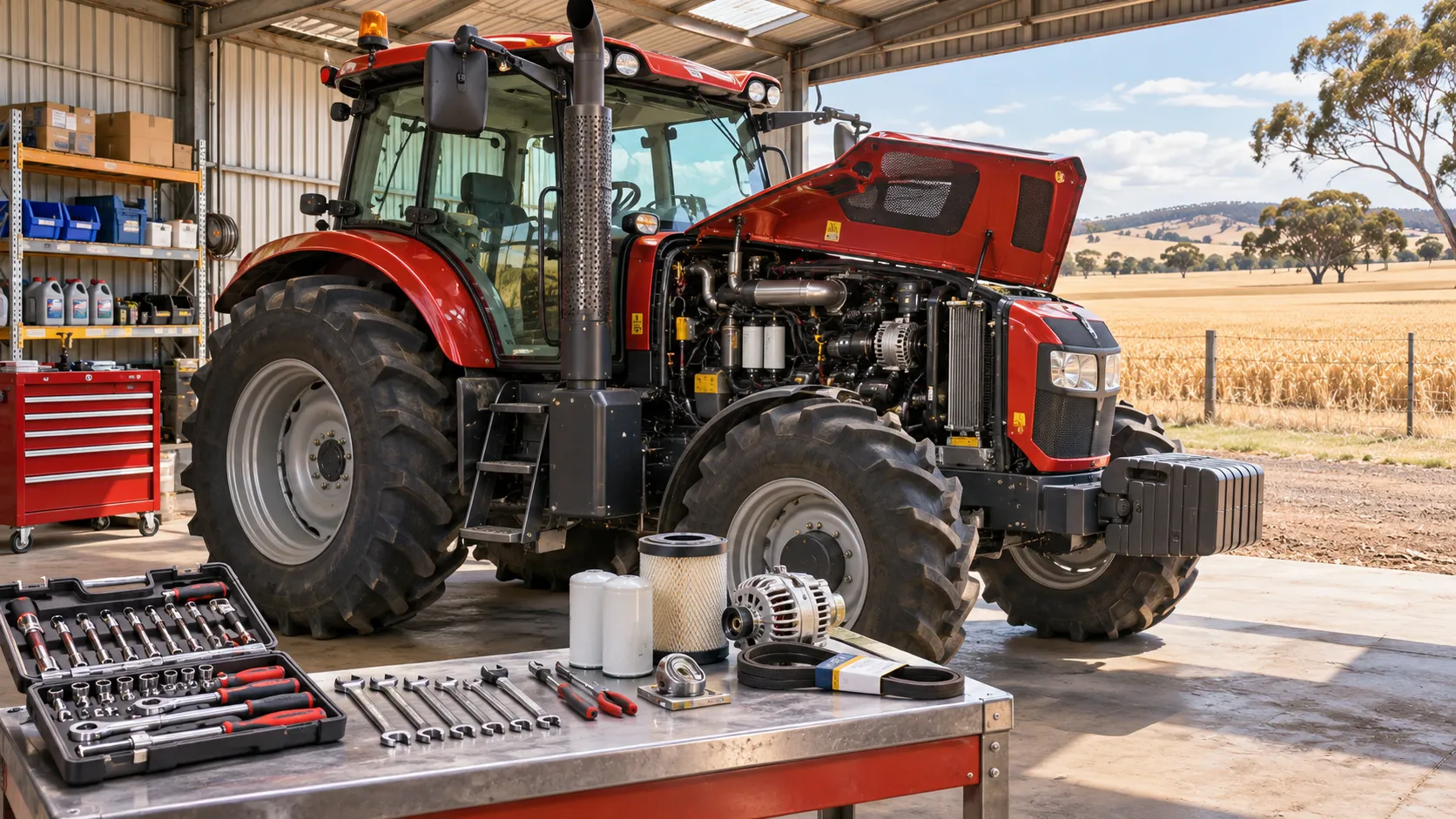
Australia Consults on Extending Right-to-Repair Laws to Agricultural Machinery
Australia’s agricultural machinery right-to-repair proposal could reshape access to parts and software. Explore what it means for farmers, repair costs and downtime.
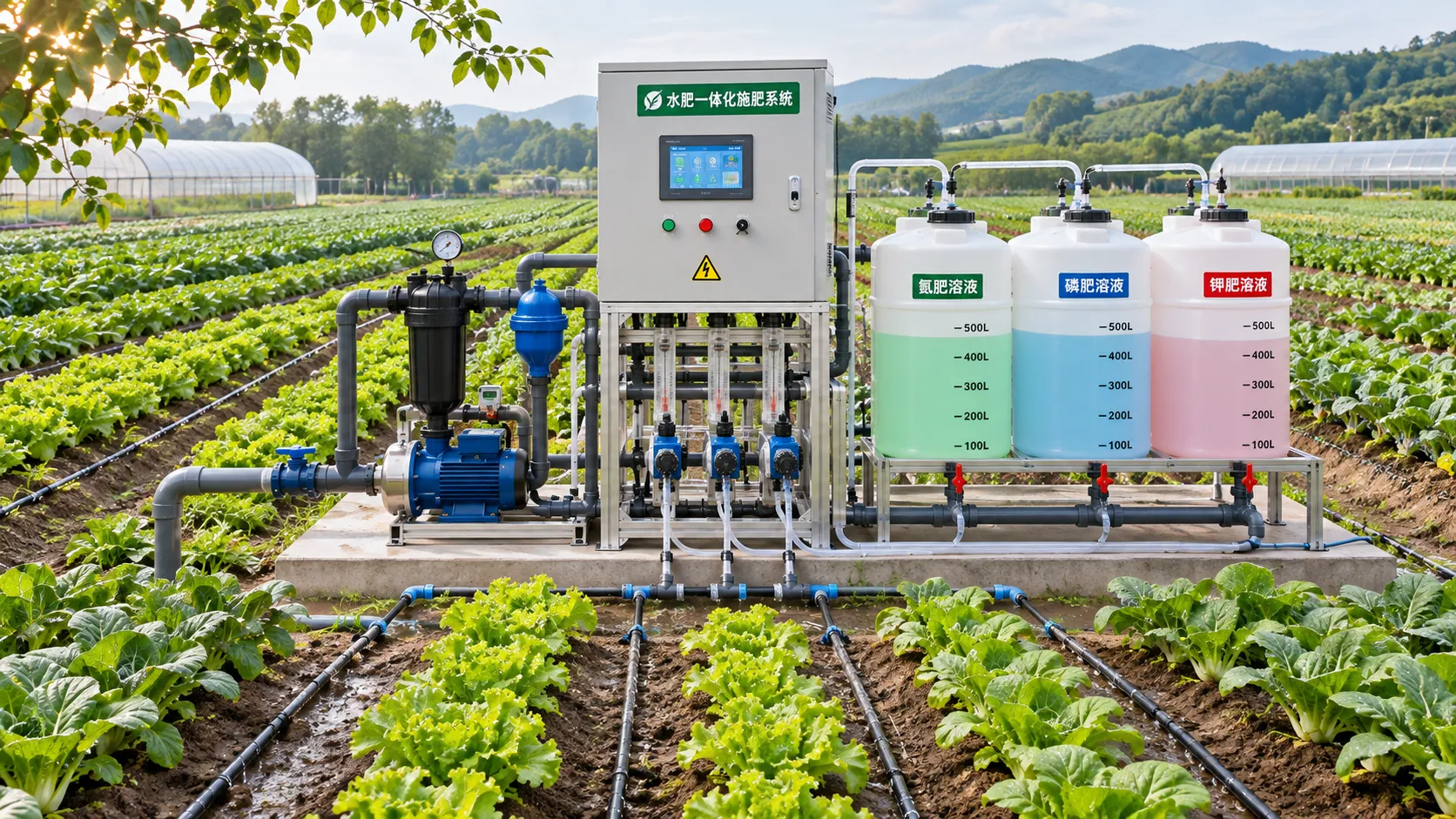
Precision Fertilization Tools for Vegetable Farms: What to Choose and Why
Explore precision fertilization tools for vegetable farms, from fertigation to variable-rate spreaders, and choose the right system for your crops and budget.
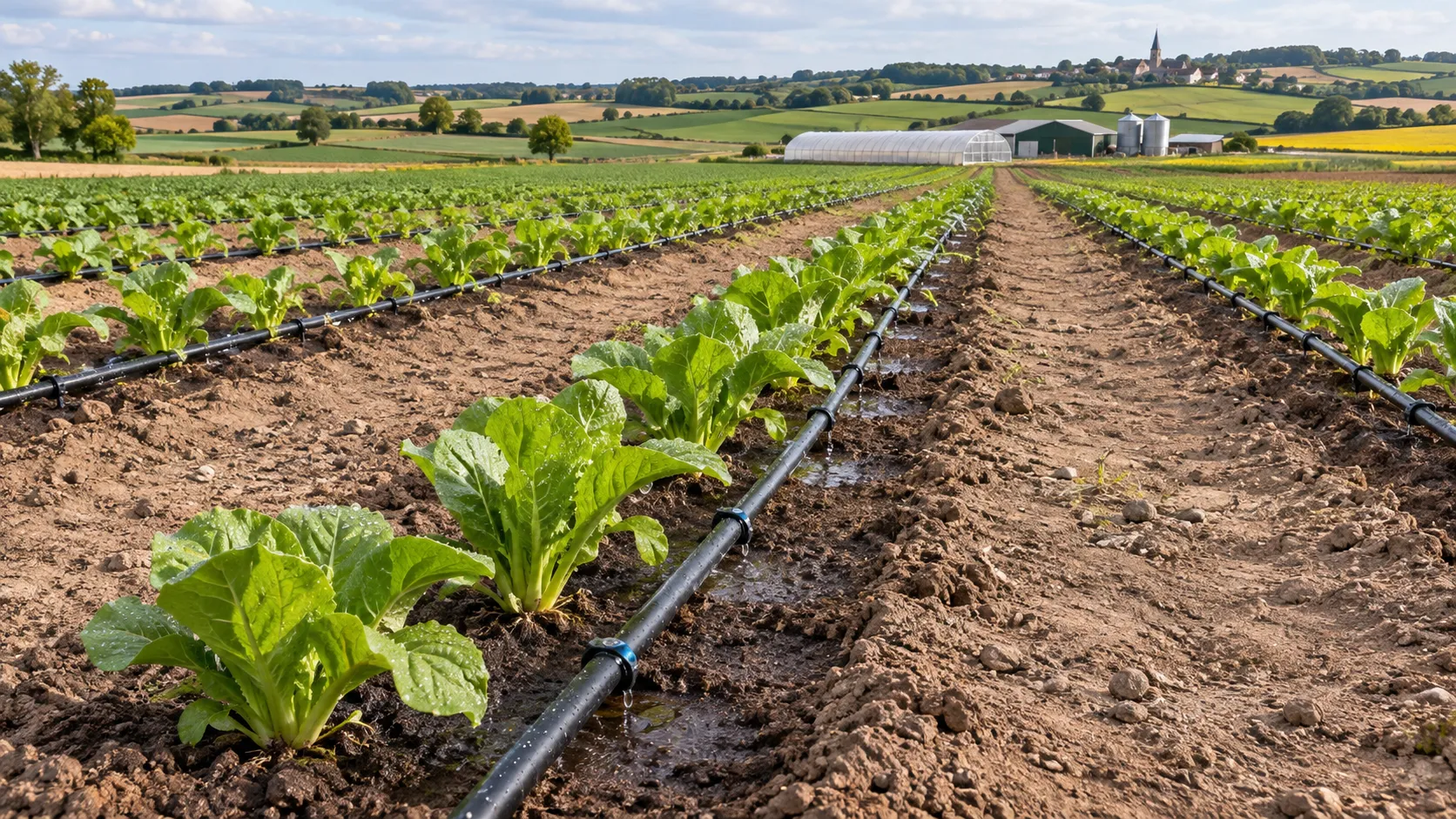
Orbia Netafim Introduces New Regional Model to Accelerate Western European Growth
Orbia Netafim introduces a new Western European regional model. Discover how it aims to improve irrigation services and supply chain responsiveness.
AED and NAEDA Propose Merger to Combine North American Dealer Resources
AED and NAEDA propose a merger to combine dealer resources across North America. Explore what the member vote could mean for benefits and representation.
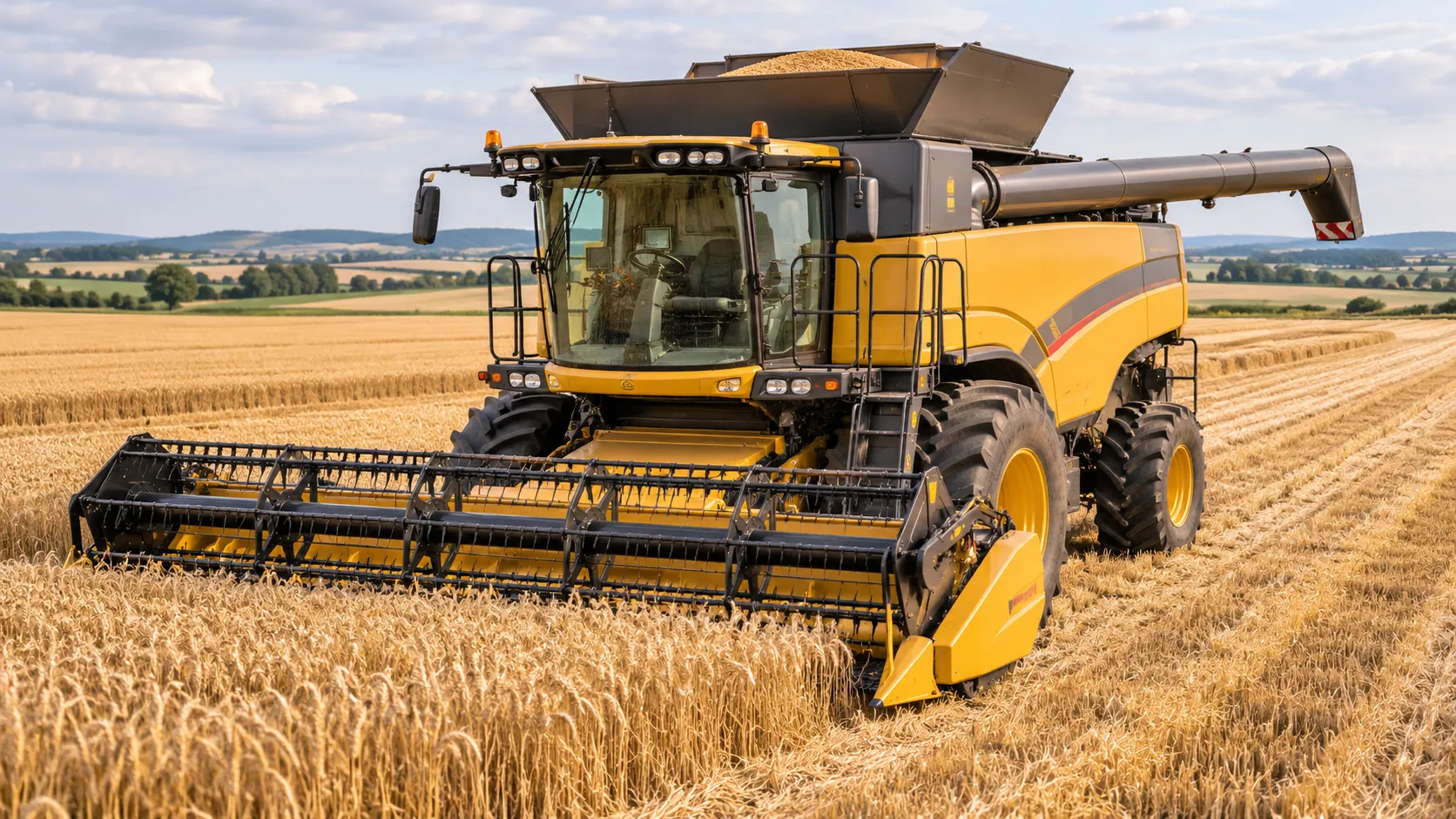
Choosing Large-Scale Agricultural Machinery for Farm Size and Crop Needs
Choose large scale agricultural machinery with confidence. Compare field capacity, crop needs, soil impact, and ownership costs to find the right fit for your farm.
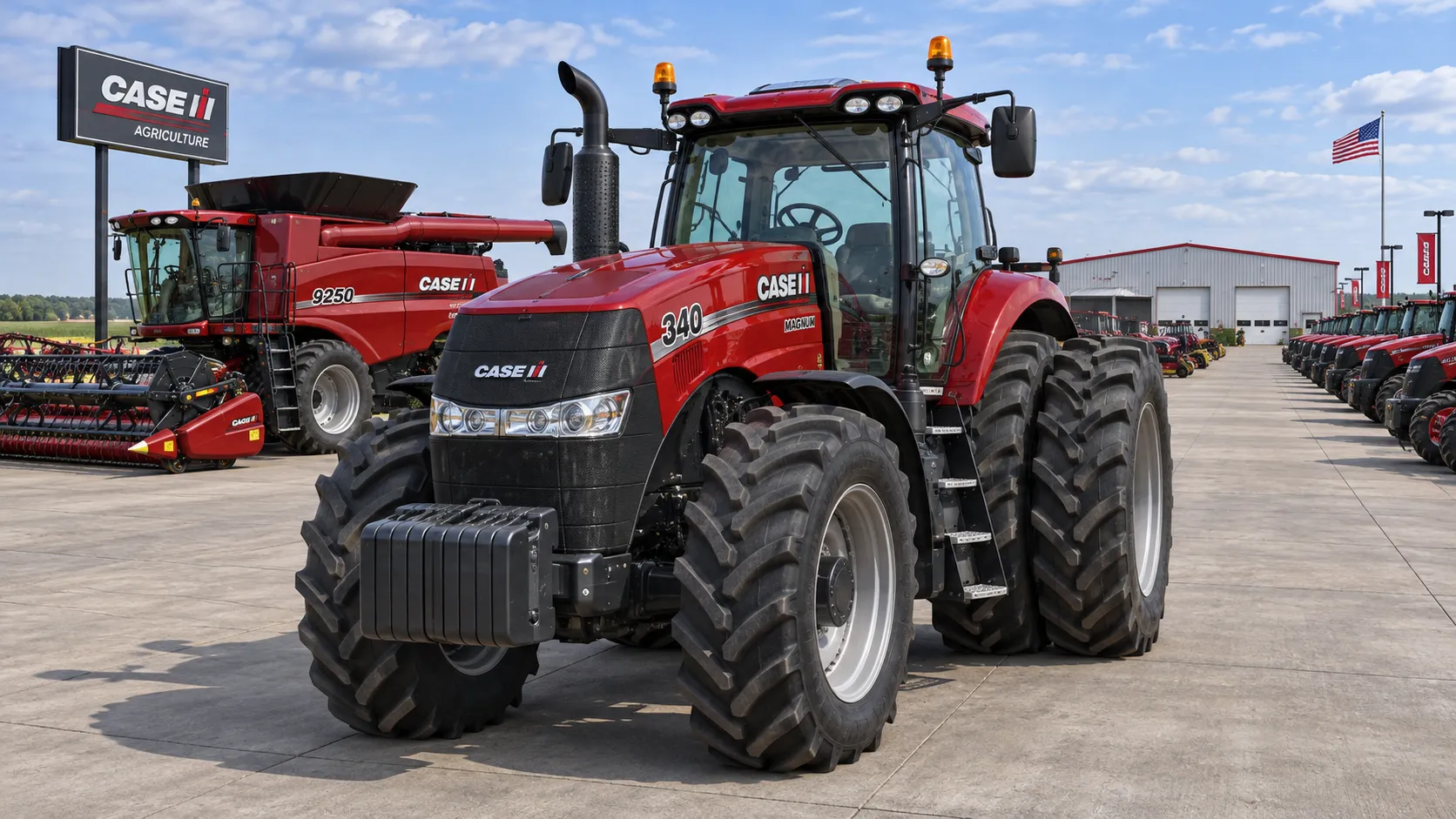
US Farm Equipment Sales Fall: Tractors Down 25.3%, Combines Down 10%
US farm equipment sales are falling, with tractors down 25.3% and combines down 10%. Explore what the figures could mean for buyers and suppliers.
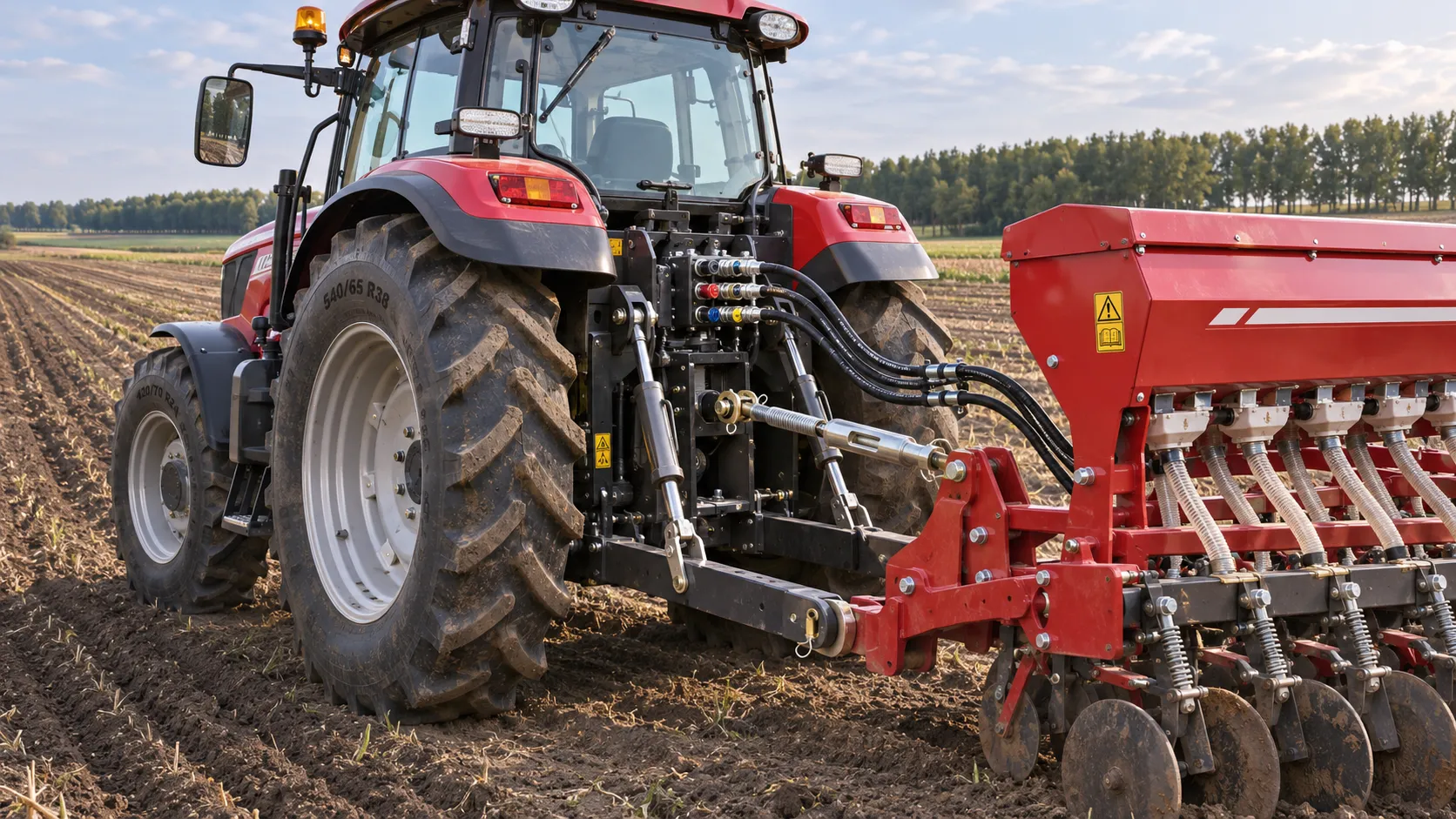
Farm Machinery Hydraulic Specifications: Flow, Pressure and Lift Capacity
Compare farm machinery specifications: hydraulic system flow, pressure and lift capacity. Learn how to match implements and avoid costly compatibility issues.
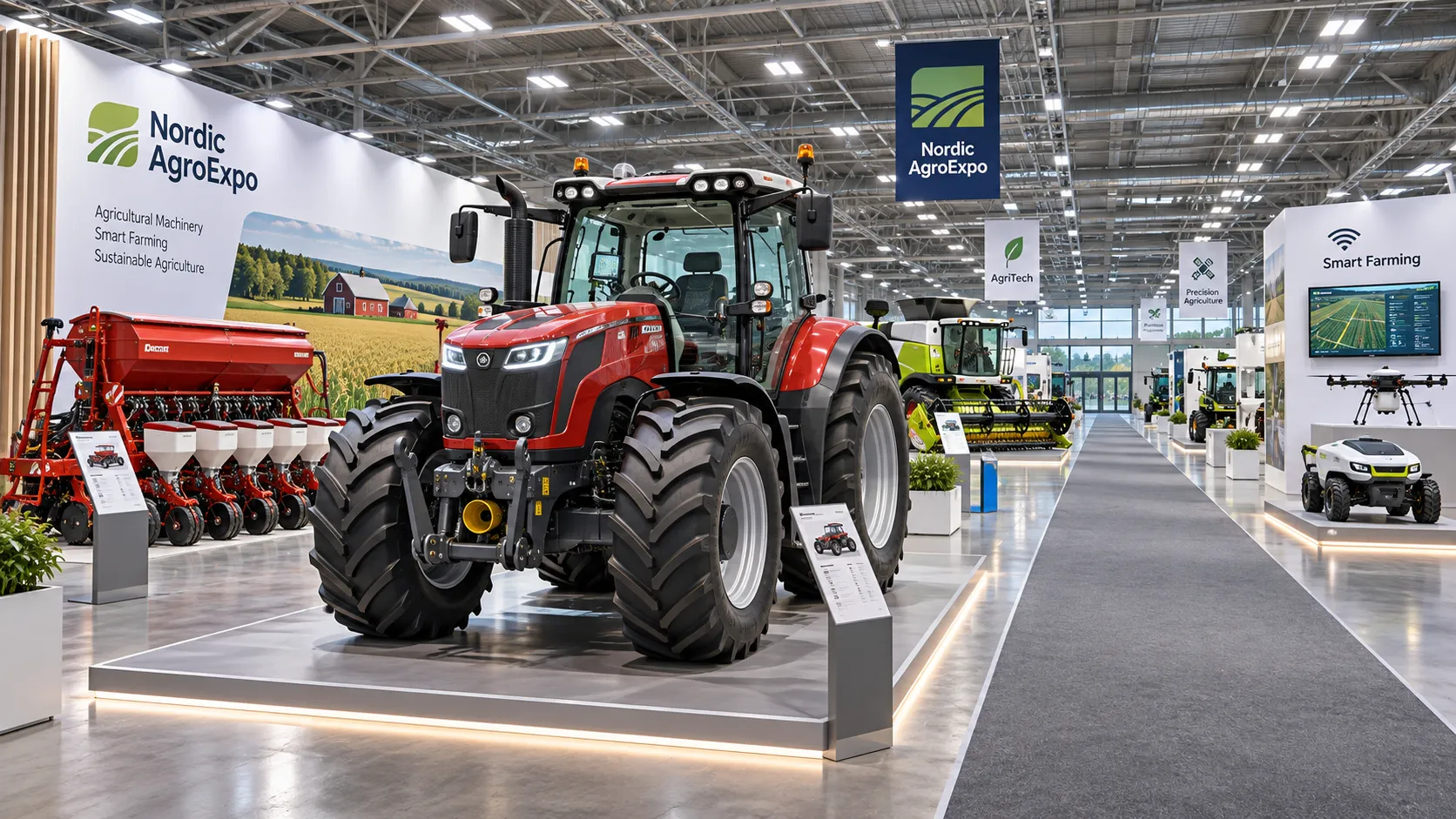
Agromek 2026 Opens in Herning with 530 Exhibitors
Agromek 2026 opens in Herning with 530 exhibitors. Explore agricultural machinery, smart equipment and sustainable farming technologies.
Related News
- 00
0000-00
Saudi Agriculture Show Highlights 40% Water Savings for Desert Potatoes - 00
0000-00
Orbia Netafim Introduces New Regional Model to Accelerate Western European Growth - 00
0000-00
Azerbaijan and US Discuss Agricultural Technology Cooperation, Including Smart Irrigation - 00
0000-00
Quantized Edge AI Cuts Microcontroller Irrigation Inference Energy by 73.3% - 00
0000-00
Drip vs. Center Pivot Irrigation: Which Saves More Water for Your Farm?
0000-00
Popular Tags
Hydrological Resource Strategist
Weekly Insights
Stay ahead with our curated technology reports delivered every Monday.