Azerbaijan and US Discuss Agricultural Technology Cooperation, Including Smart Irrigation
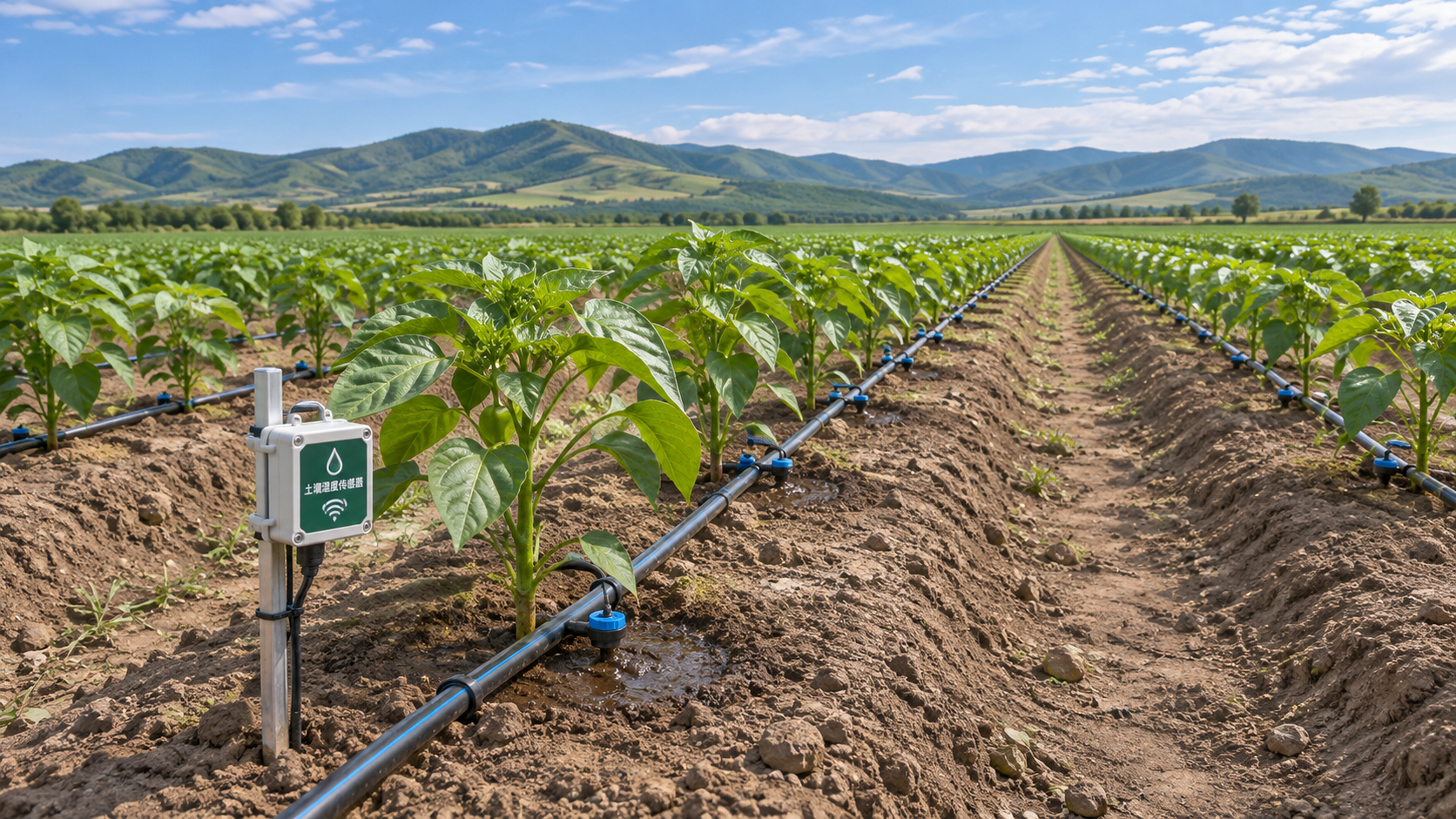




An Azerbaijani Ministry of Agriculture delegation met with US institutions on November 21, 2026, to discuss cooperation on digital technology in agriculture, wider use of smart irrigation systems, and modernization of livestock and seed production. The discussions focused on how technology could improve agricultural efficiency while supporting water conservation and sustainability as the sector responds to climate change.
Smart irrigation is a central area of interest in the talks because it connects two of the stated aims: improving production efficiency and using water more carefully. The meeting also placed irrigation alongside livestock and seed production, indicating that the discussions covered several parts of agriculture rather than a single technology.
From discussions to agricultural use
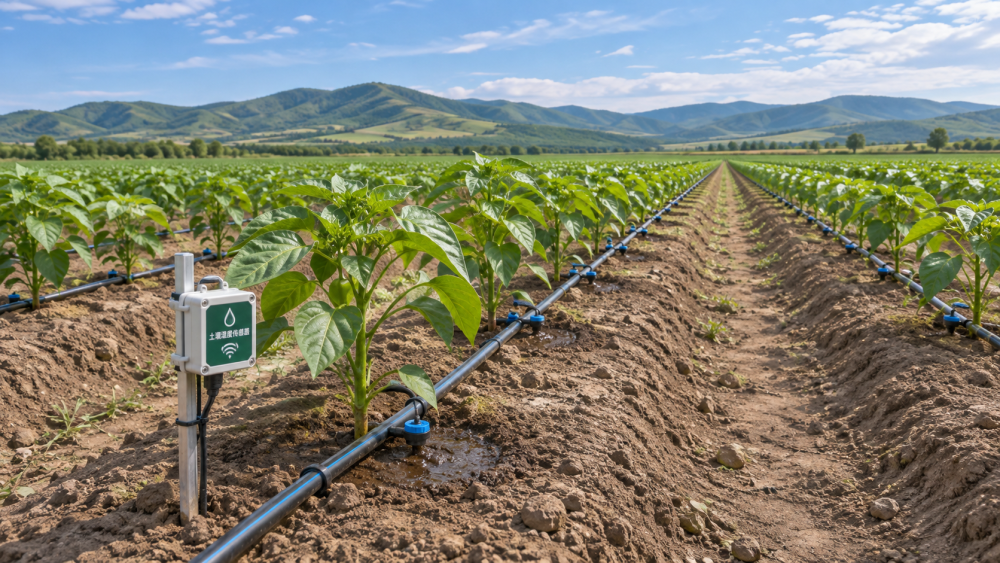
The immediate development is a discussion about potential cooperation. Its practical significance will depend on whether the parties move toward specific activities, what those activities cover, and how technology is introduced into production. A conversation about wider use of smart irrigation, for example, does not by itself establish that systems have been selected, installed or funded.
If the discussions lead to practical work, irrigation could be one of the first areas in which the scope of cooperation becomes clearer. Relevant details would include which agricultural uses are targeted and how the proposed systems would help users make decisions about water. The value of an irrigation system would depend not only on its technical capabilities but also on whether it can be used and maintained in the conditions for which it is intended.
The distinction matters for suppliers and agricultural operators assessing the announcement. Interest in a technology area signals a potential direction for cooperation; it does not yet describe a procurement opportunity or establish demand for particular equipment. More specific plans would be needed to show what kinds of products, services or training might be involved.
Livestock and seed production remain part of the agenda
The inclusion of livestock and seed production broadens the discussion beyond water management. Both were identified as areas for modernization, but the meeting description does not specify the technologies or activities being considered for either. Their eventual implications could therefore differ from those of irrigation.
For participants in seed production, the most useful next detail would be the part of the production process that any cooperation is intended to address. For livestock operators, the corresponding question is how proposed digital or other technologies would be applied in practice. Those distinctions would help determine which producers, technology providers or service providers might be involved.
The relationship between these topics is also worth watching. They may develop as separate areas of cooperation, or future activities could link them through a broader approach to agricultural modernization. The meeting itself establishes interest in the subjects; it does not establish how they will be organized.
Further public announcements about cooperation arrangements, implementation plans or specific agricultural applications would help show whether the discussions are moving toward deployment. Until then, the clearest signal is a shared interest in exploring technology as a means to improve agricultural efficiency, with smart irrigation directly connected to the stated objective of conserving water.
Related News
Orbia Netafim Introduces New Regional Model to Accelerate Western European Growth
Orbia Netafim introduces a new Western European regional model. Discover how it aims to improve irrigation services and supply chain responsiveness.
AED and NAEDA Propose Merger to Combine North American Dealer Resources
AED and NAEDA propose a merger to combine dealer resources across North America. Explore what the member vote could mean for benefits and representation.
Choosing Large-Scale Agricultural Machinery for Farm Size and Crop Needs
Choose large scale agricultural machinery with confidence. Compare field capacity, crop needs, soil impact, and ownership costs to find the right fit for your farm.
US Farm Equipment Sales Fall: Tractors Down 25.3%, Combines Down 10%
US farm equipment sales are falling, with tractors down 25.3% and combines down 10%. Explore what the figures could mean for buyers and suppliers.
Farm Machinery Hydraulic Specifications: Flow, Pressure and Lift Capacity
Compare farm machinery specifications: hydraulic system flow, pressure and lift capacity. Learn how to match implements and avoid costly compatibility issues.
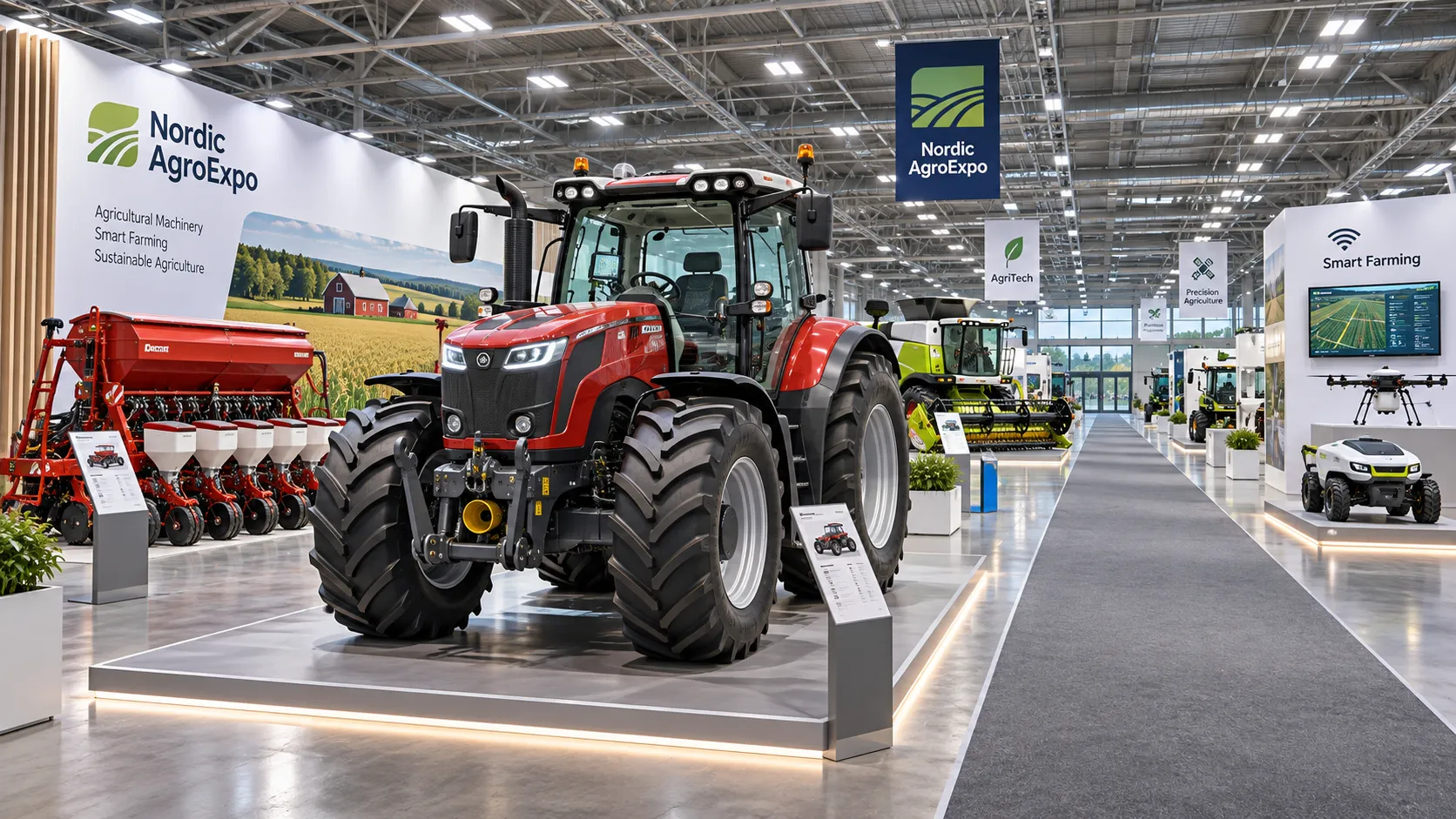
Agromek 2026 Opens in Herning with 530 Exhibitors
Agromek 2026 opens in Herning with 530 exhibitors. Explore agricultural machinery, smart equipment and sustainable farming technologies.
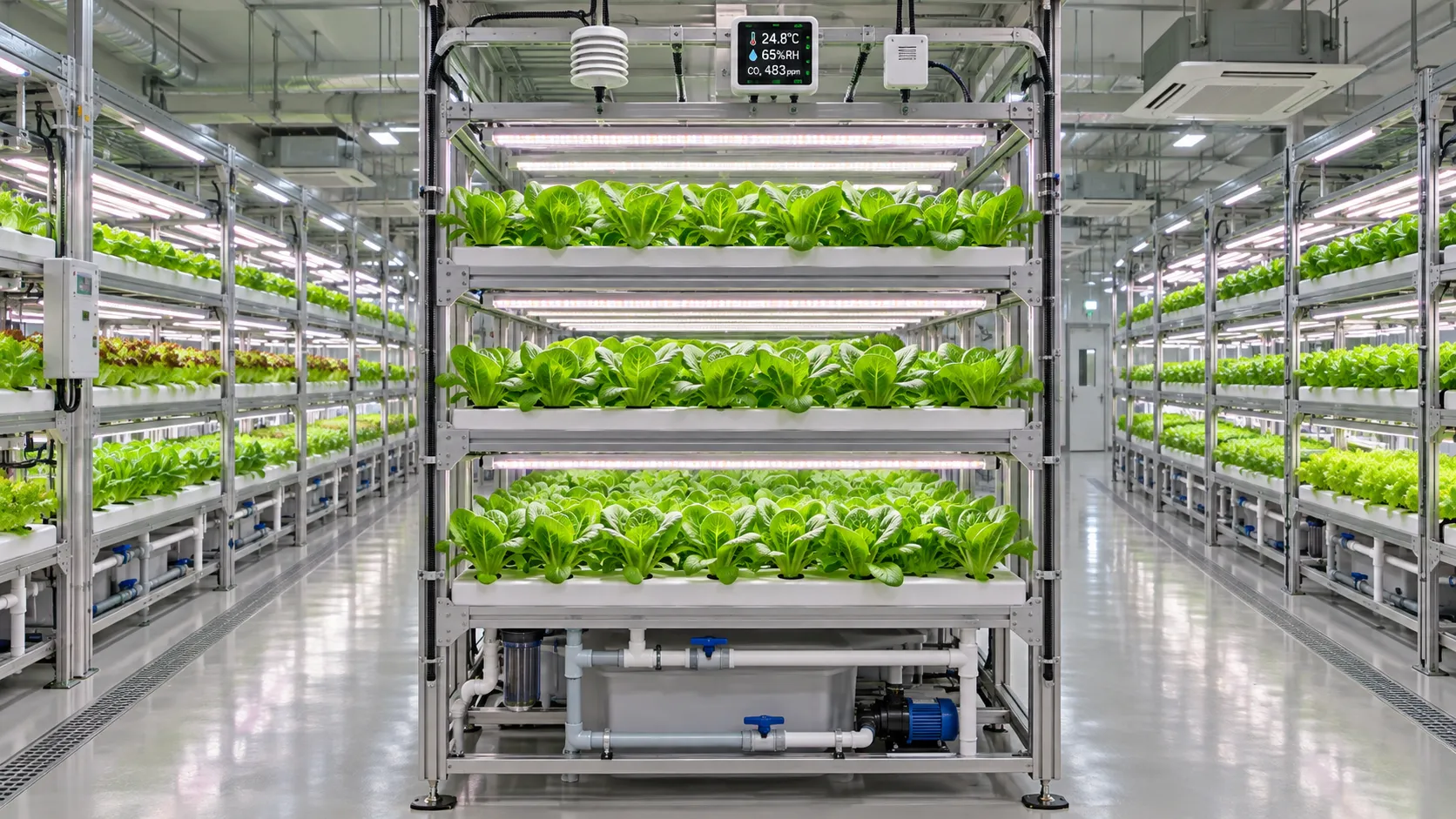
Guangming Daily Explores a Greener, More Resilient Future for Agriculture
Explore how agricultural technology, from AI and biotechnology to plant factories, could support greener, more resilient farming and inform smarter purchasing decisions.
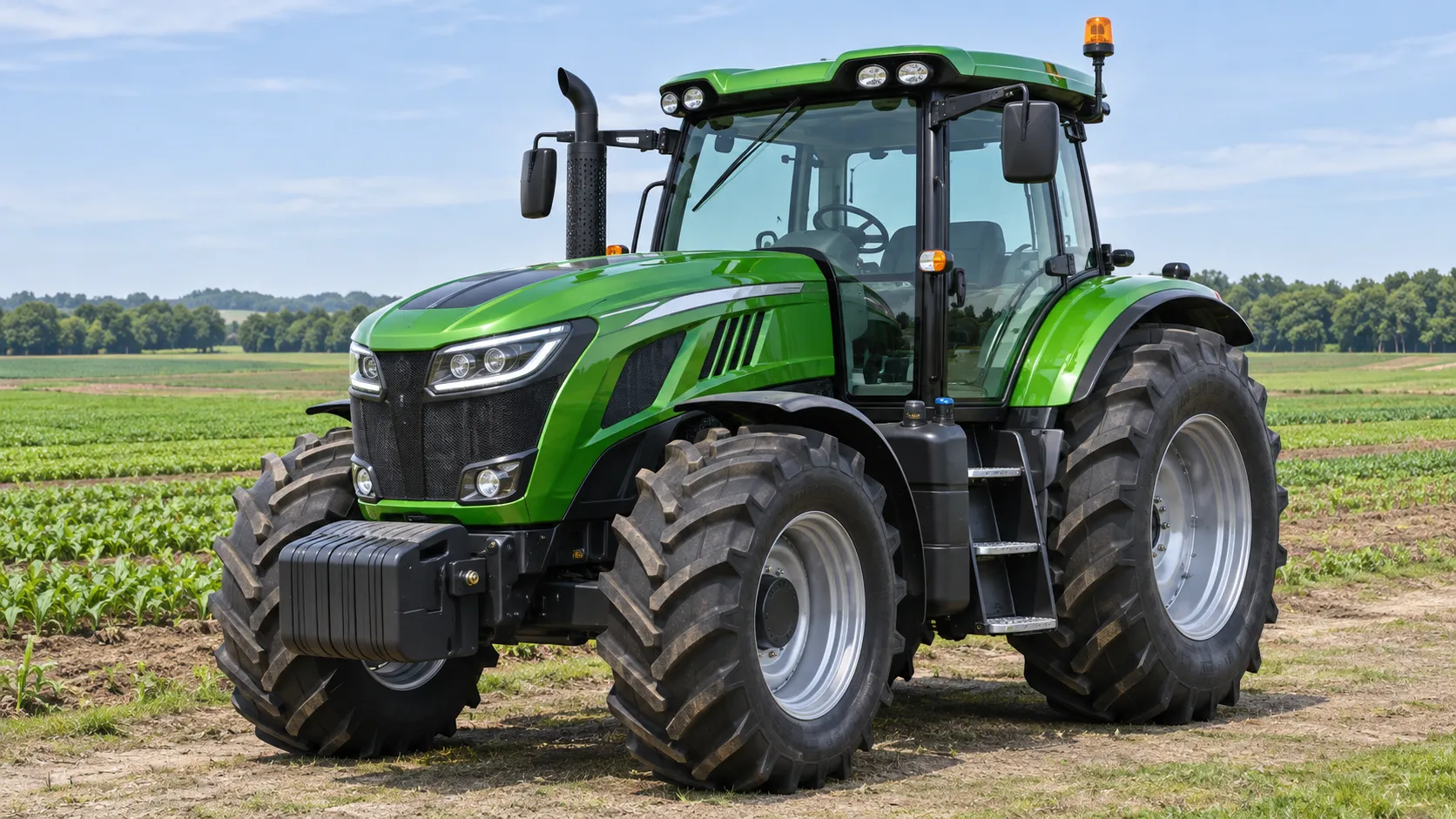
DEUTZ-FAHR 7 Series TTV to Feature FPT N67 Engine at EIMA 2026
DEUTZ-FAHR 7 Series TTV tractors will feature the FPT N67 engine at EIMA 2026. Explore the three-model range and its maximum output of 271 horsepower.
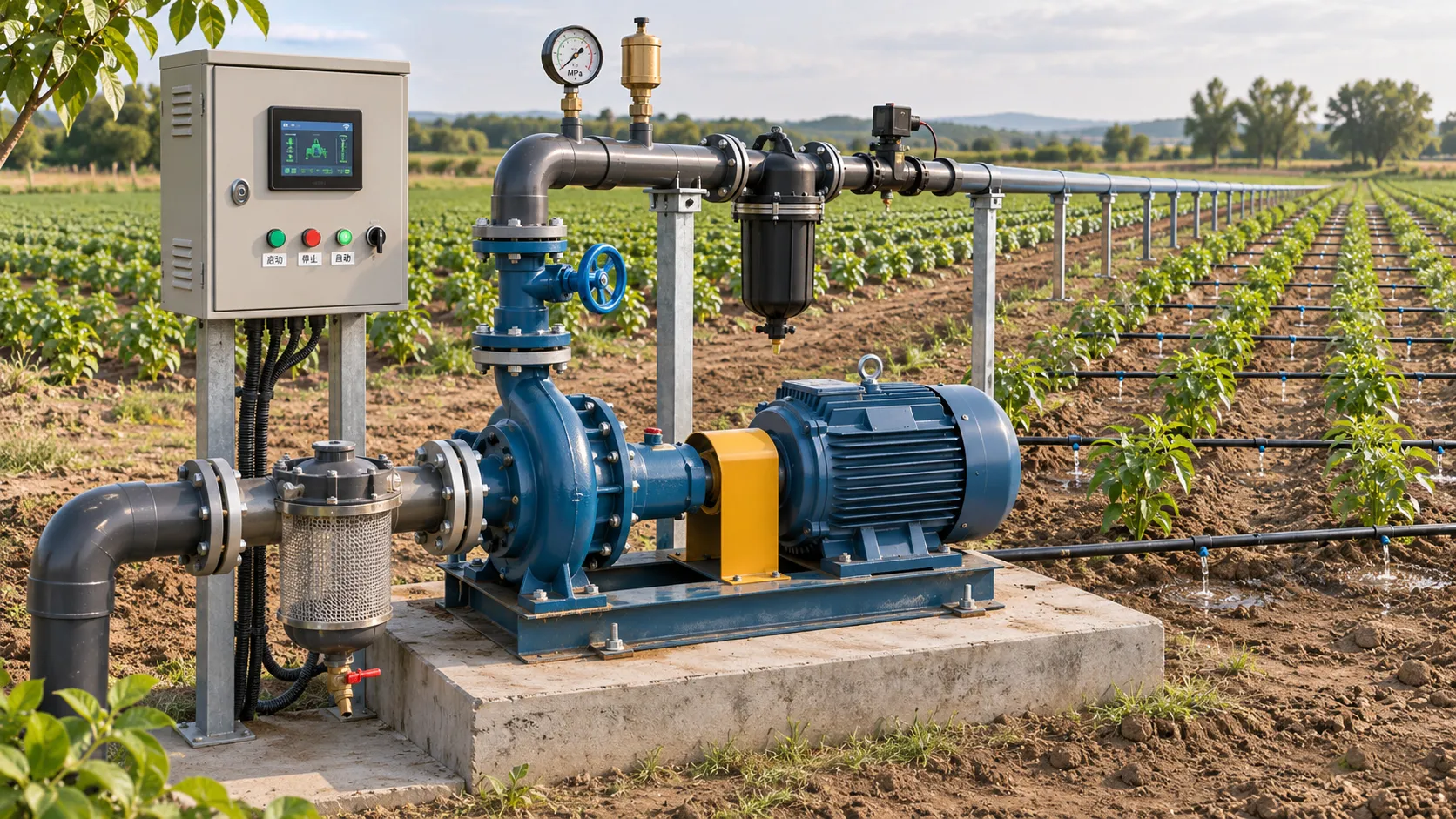
Resource-Saving Standards in Europe: Which EU Rules Apply to Products?
Explore resource-saving standards Europe applies to products, from ecodesign and energy labels to irrigation equipment. Find out which EU rules apply.
Related News
- 00
0000-00
Orbia Netafim Introduces New Regional Model to Accelerate Western European Growth - 00
0000-00
Azerbaijan and US Discuss Agricultural Technology Cooperation, Including Smart Irrigation - 00
0000-00
Quantized Edge AI Cuts Microcontroller Irrigation Inference Energy by 73.3% - 00
0000-00
Drip vs. Center Pivot Irrigation: Which Saves More Water for Your Farm? - 00
0000-00
Low-Pressure Drip Irrigation: Choosing Emitters to Save Water and Maintain Uniformity
0000-00
Popular Tags
Hydrological Resource Strategist
Weekly Insights
Stay ahead with our curated technology reports delivered every Monday.