Australia Consults on Extending Right-to-Repair Laws to Agricultural Machinery
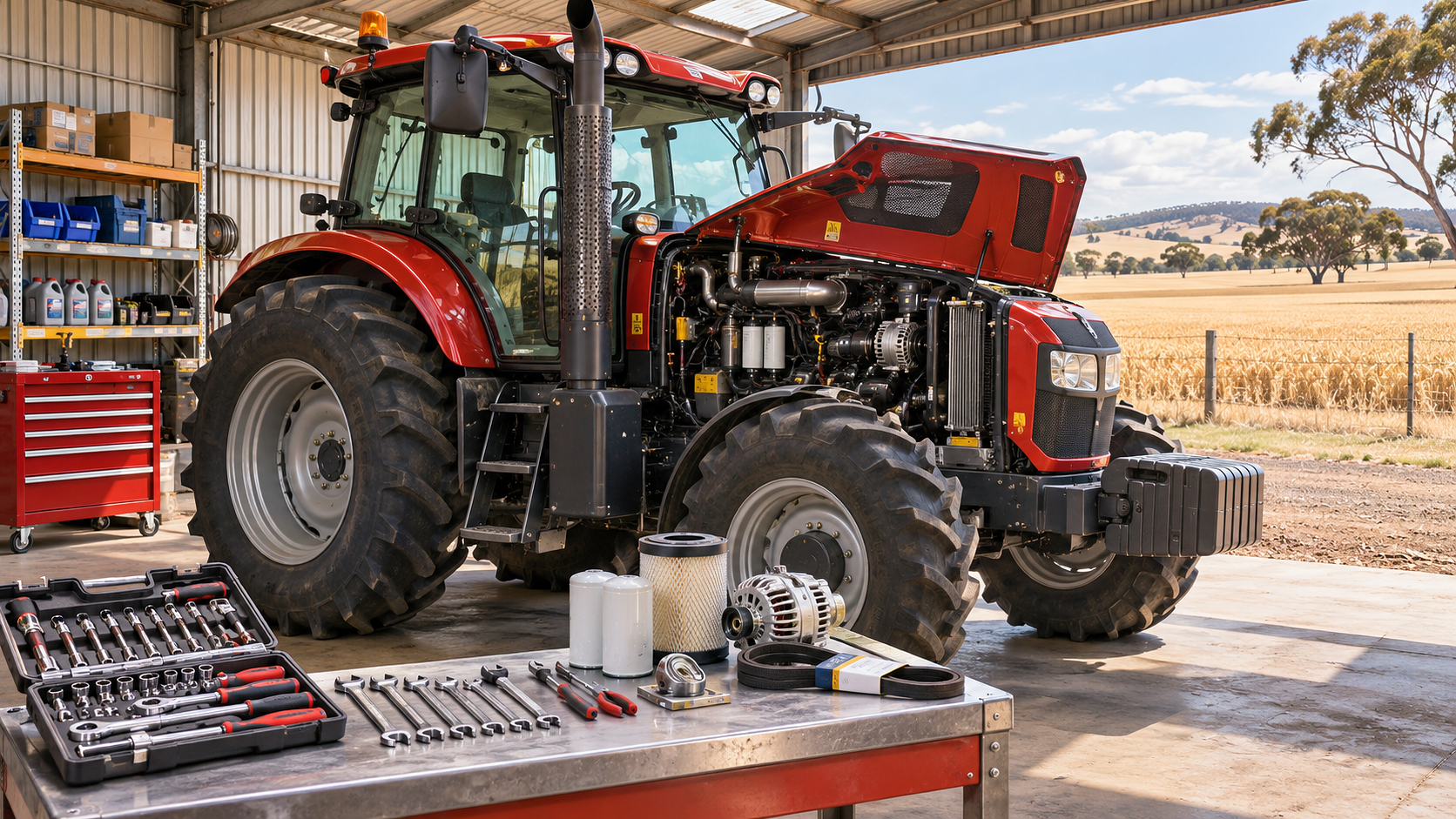




Australia’s federal government has launched a six-week consultation on plans to extend right-to-repair legislation to agricultural machinery. The proposal aims to address manufacturers’ control over repair software and spare parts, with the goal of reducing farmers’ repair costs and equipment downtime.
The consultation puts access to the tools and components needed for repairs at the centre of the debate. For farmers, the practical question is whether a change in the law would give them more options when machinery needs attention. For manufacturers, the outcome could affect how they provide software and parts as part of their after-sales services.
Australia’s Productivity Commission estimates that improvements associated with the change could increase GDP in the grain industry alone by around A$97 million a year. That figure is an estimate of potential economic benefit, not a measure of savings already achieved. The eventual result would depend on the rules adopted and how they affect repairs in practice.
Why access to software and parts matters
A repair cannot be completed solely by identifying what is wrong: whoever carries out the work also needs access to the relevant parts and, where required, software. If that access is controlled by the manufacturer, a farmer’s choice of repair arrangements may be constrained. The proposed extension seeks to address that point of control.
The potential benefit has two connected components. Access to parts and software could affect the price of a repair by changing the options available to the equipment owner. It could also affect how long machinery remains out of service. A lower repair bill and a shorter interruption would benefit a farm in different ways, so the value of a change would not be captured by the price of parts alone.
Neither outcome follows automatically from legislation. Much will depend on what access the final rules require, which machinery and repair activities they cover, and whether the available software and parts are sufficient to complete the work. The consultation is therefore an early step in deciding how the proposed right would operate.
Implications for manufacturers and repair services
For agricultural machinery manufacturers, the proposal raises questions about the design of after-sales support. If the legislation gives equipment owners or repair providers broader access to software and components, manufacturers may need to reconsider how those resources are supplied. The extent of any change will depend on the detail of the eventual requirements.
Independent repair providers are another group with a direct interest in the outcome. Broader access could allow them to undertake work for which software or parts are necessary, potentially giving farmers more choice. The effect on competition would depend on the terms of access and on whether providers can obtain what they need to complete particular repairs.
For farmers, the most immediate point to watch is how a proposed legal right translates into a usable repair option. Access to a component, for example, may matter less if the associated software needed for the same job remains unavailable. Conversely, the practical effect on downtime will depend on whether the required resources can be obtained when a repair is needed.
The consultation may also be relevant to global machinery manufacturers because it concerns the way products are supported in the Australian market. It does not, by itself, establish a change in their practices elsewhere. Any broader response would depend on the final Australian rules and manufacturers’ own decisions.
From consultation to practical effect
The announced six-week consultation signals an intention to consider extending the law; it does not mean the proposed agricultural machinery rules have already taken effect. The distinction matters when assessing the Productivity Commission’s estimate and the potential benefits for farm operations: both concern what could follow from a change, not results farmers have already received from this proposal.
The most consequential details to follow are the scope of machinery covered, the software and parts to which access would apply, and the conditions attached to that access. Those choices will shape whether farmers and repair providers gain meaningful alternatives, as well as what manufacturers would need to change in their after-sales arrangements.
Further government announcements after the consultation will be relevant to assessing how the proposal develops. Until the terms are settled, the clearest industry signal is the government’s intention to examine repair access in agricultural machinery and its potential effect on costs and downtime.
Related News
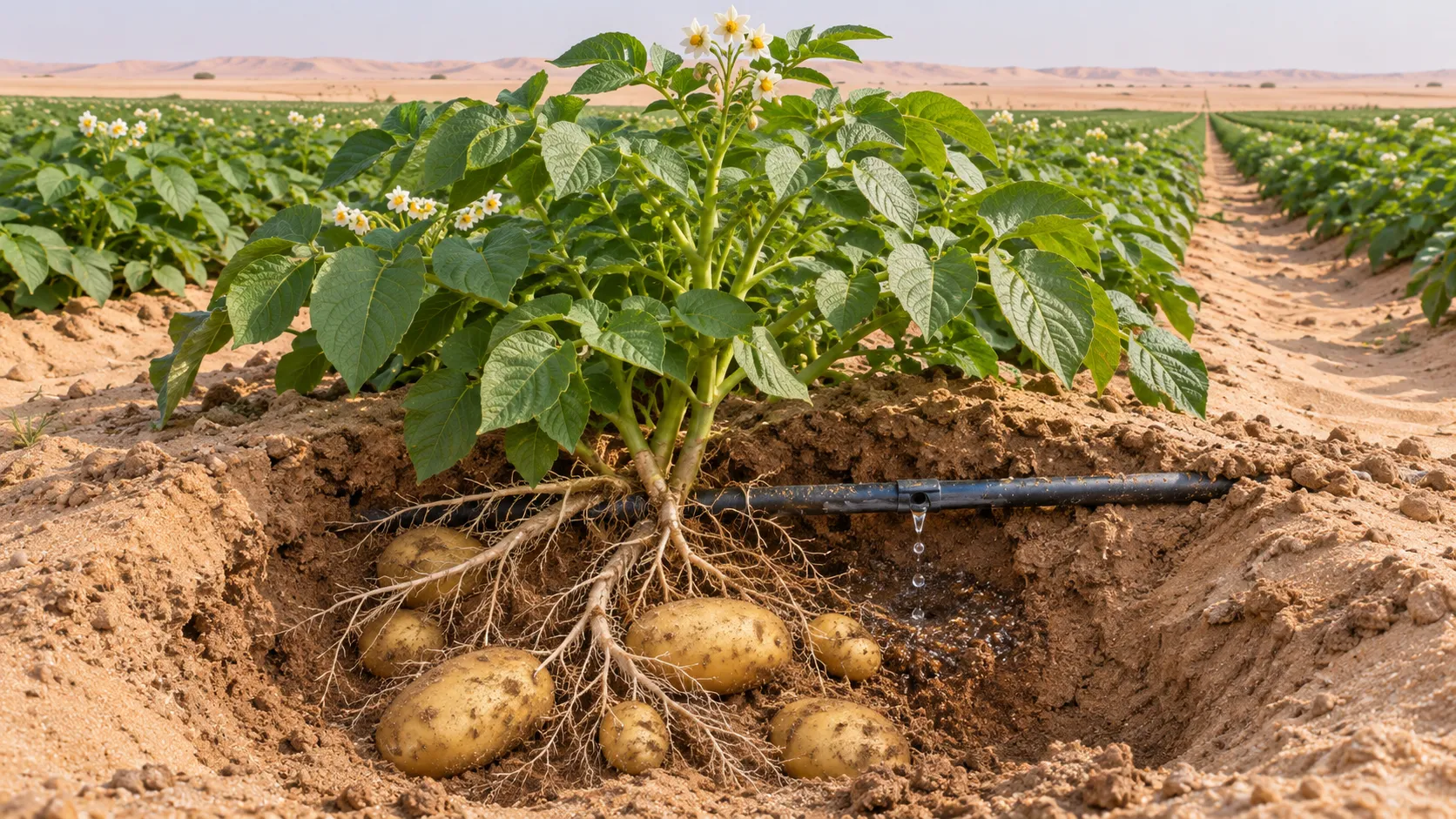
Saudi Agriculture Show Highlights 40% Water Savings for Desert Potatoes
Saudi Agriculture 2026 highlighted subsurface drip irrigation for desert potatoes, with preliminary data suggesting 40% water savings. Explore the implications for growers and buyers.
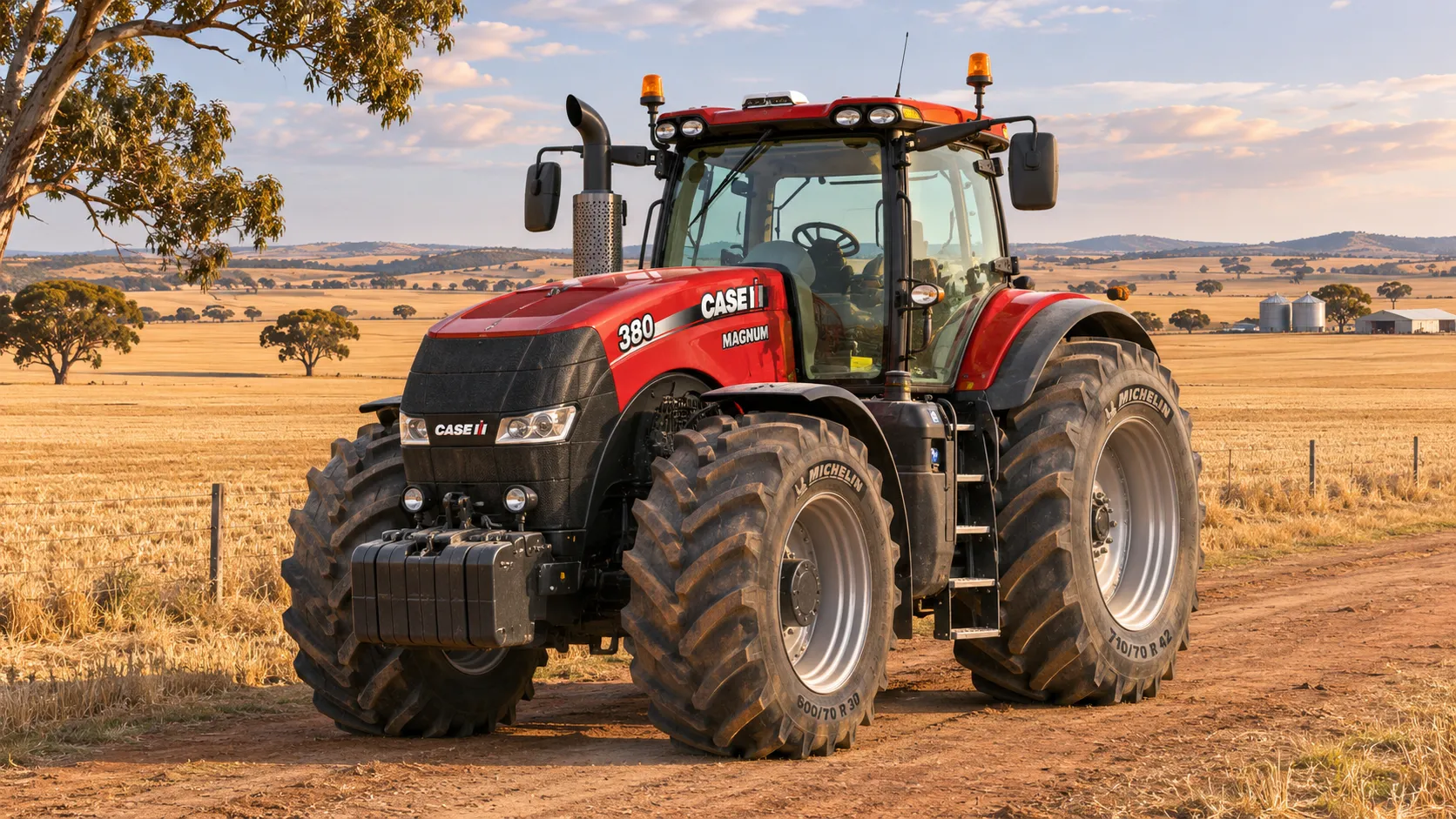
ANZ: Australian Tractor Sales Fall from 2022 Peak as Farm Consolidation Reshapes Market
Australian tractor sales fell 46% from their 2022 peak. Explore ANZ’s 2026 forecast and how farm consolidation, equipment sharing and interest rates are reshaping demand.
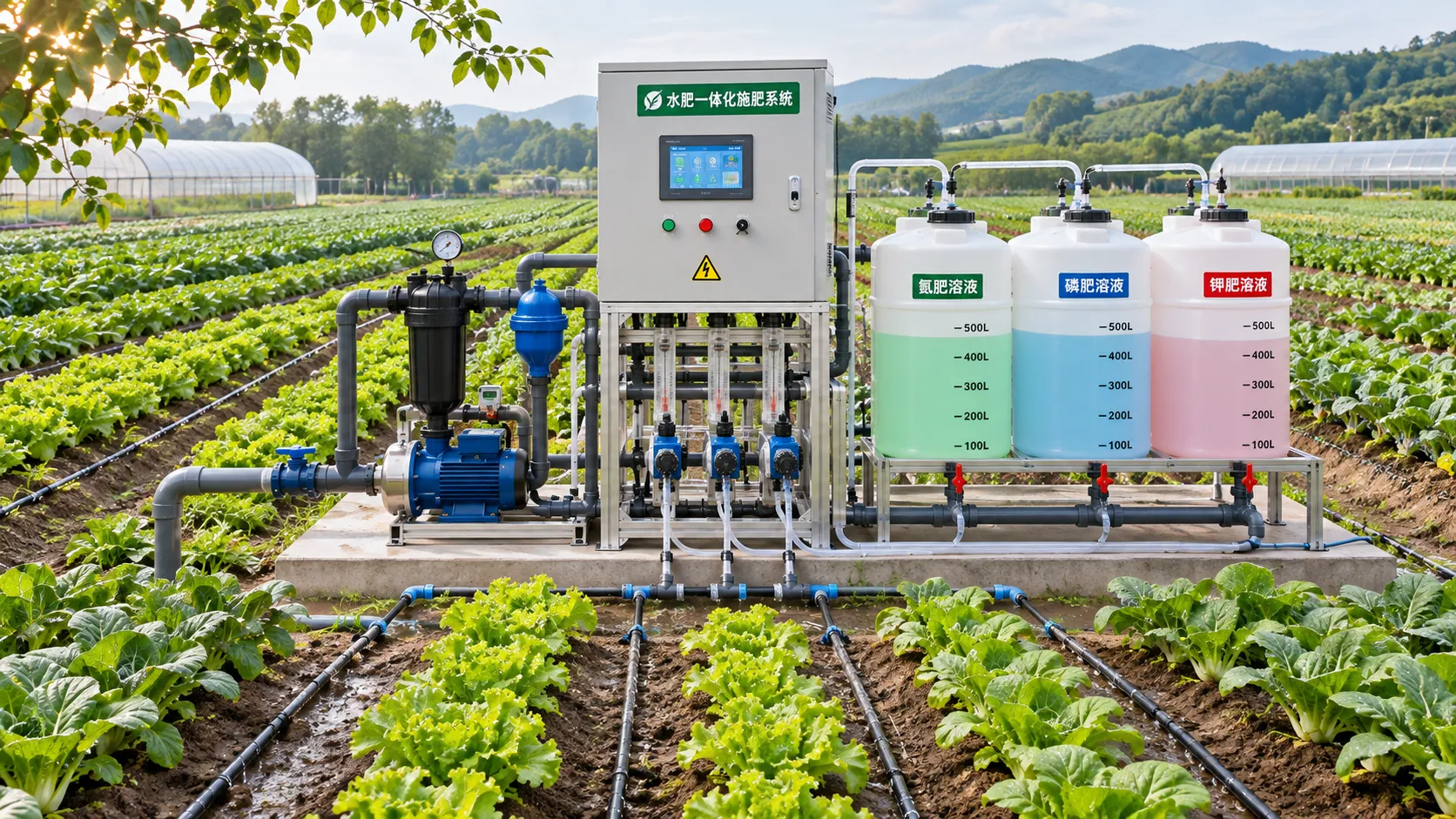
Precision Fertilization Tools for Vegetable Farms: What to Choose and Why
Explore precision fertilization tools for vegetable farms, from fertigation to variable-rate spreaders, and choose the right system for your crops and budget.
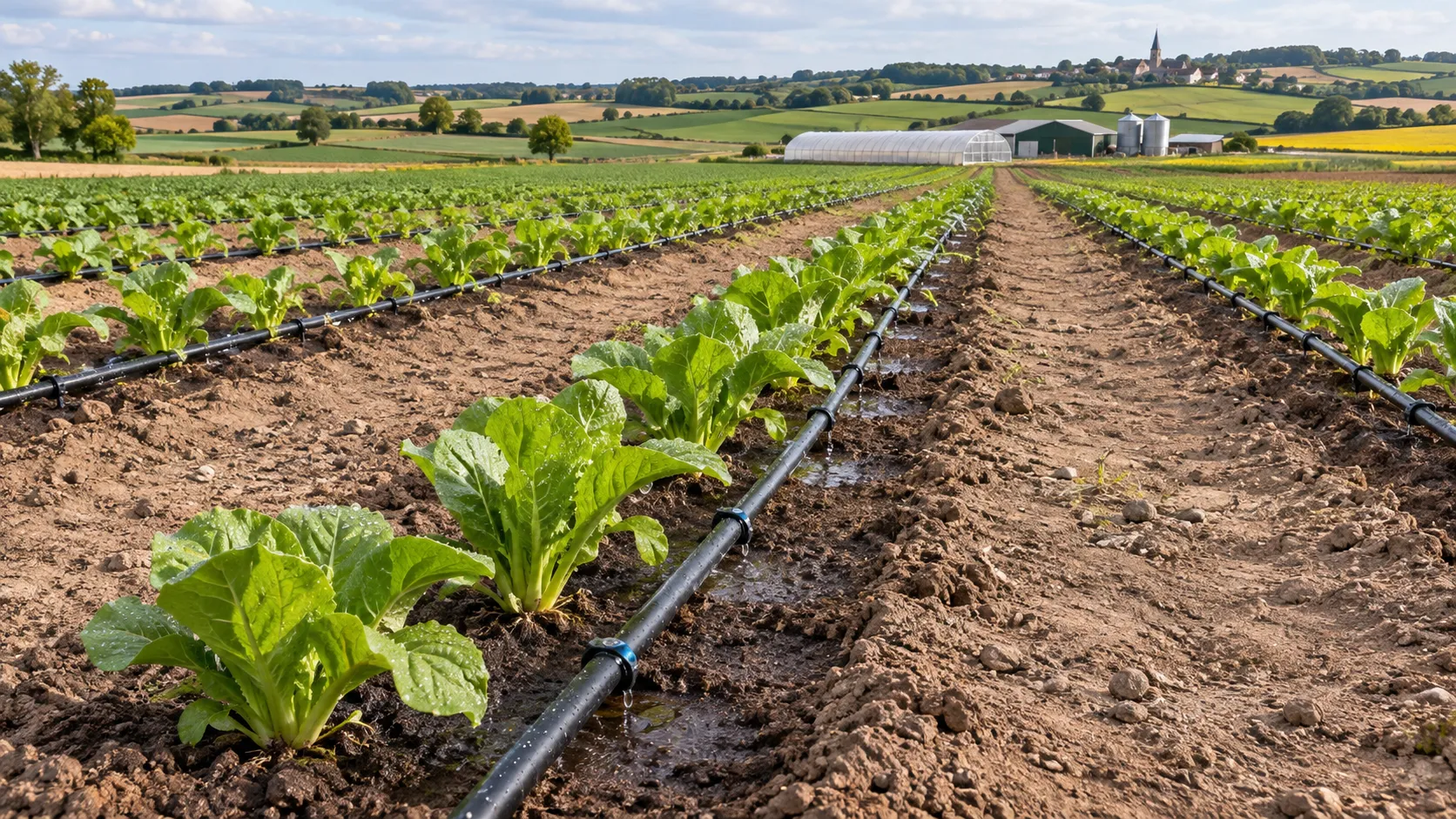
Orbia Netafim Introduces New Regional Model to Accelerate Western European Growth
Orbia Netafim introduces a new Western European regional model. Discover how it aims to improve irrigation services and supply chain responsiveness.
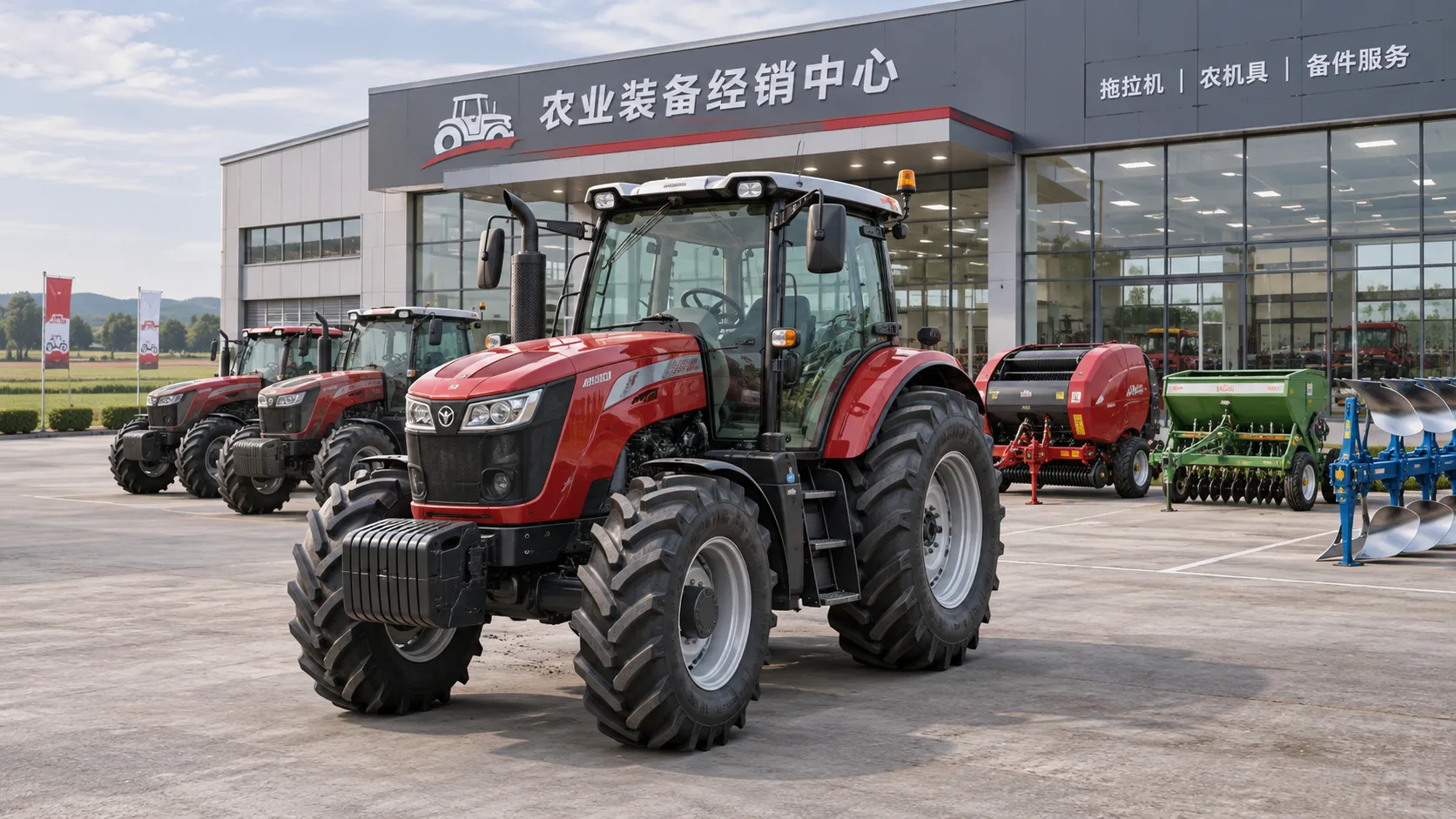
AED and NAEDA Propose Merger to Combine North American Dealer Resources
AED and NAEDA propose a merger to combine dealer resources across North America. Explore what the member vote could mean for benefits and representation.
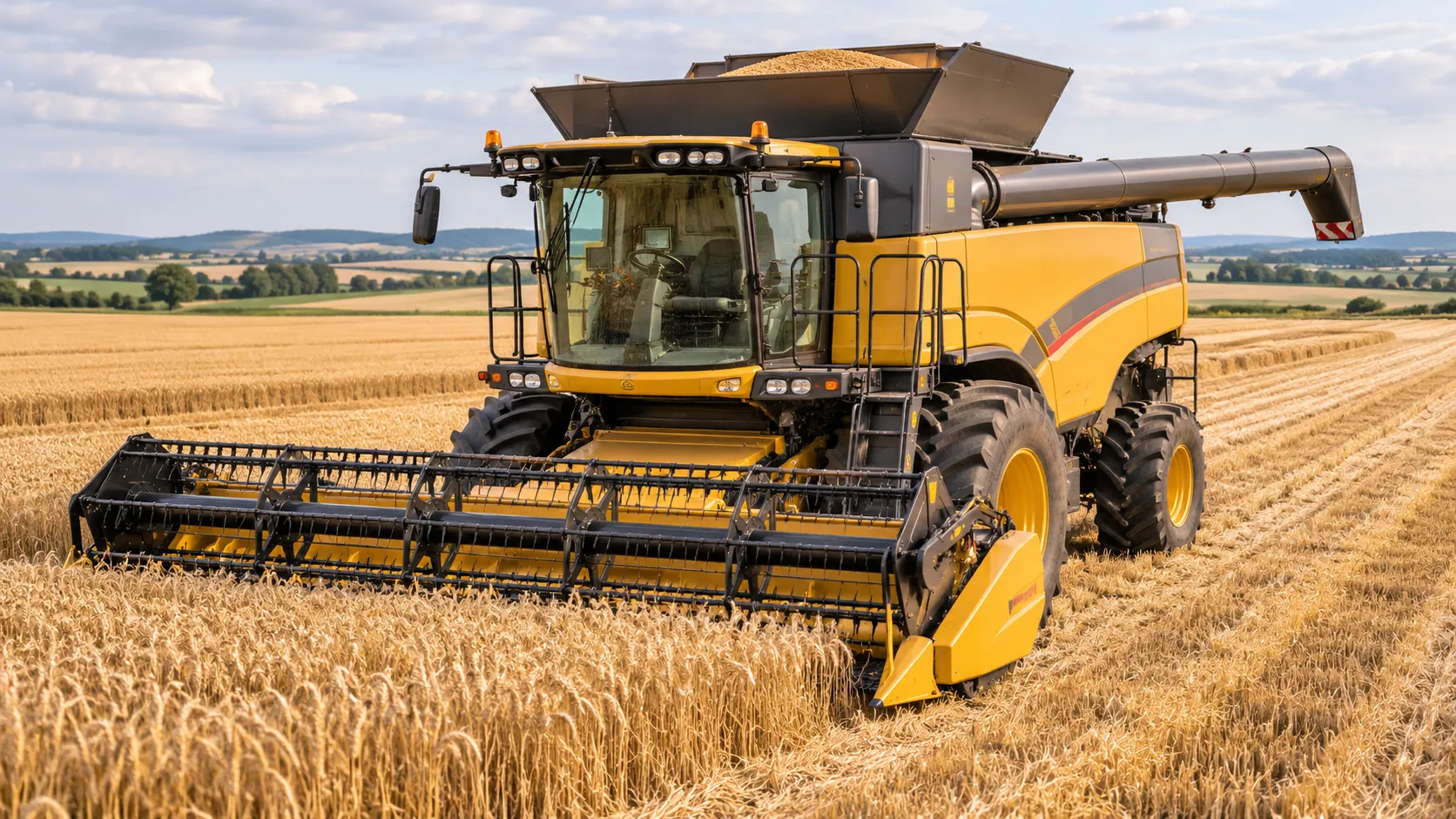
Choosing Large-Scale Agricultural Machinery for Farm Size and Crop Needs
Choose large scale agricultural machinery with confidence. Compare field capacity, crop needs, soil impact, and ownership costs to find the right fit for your farm.
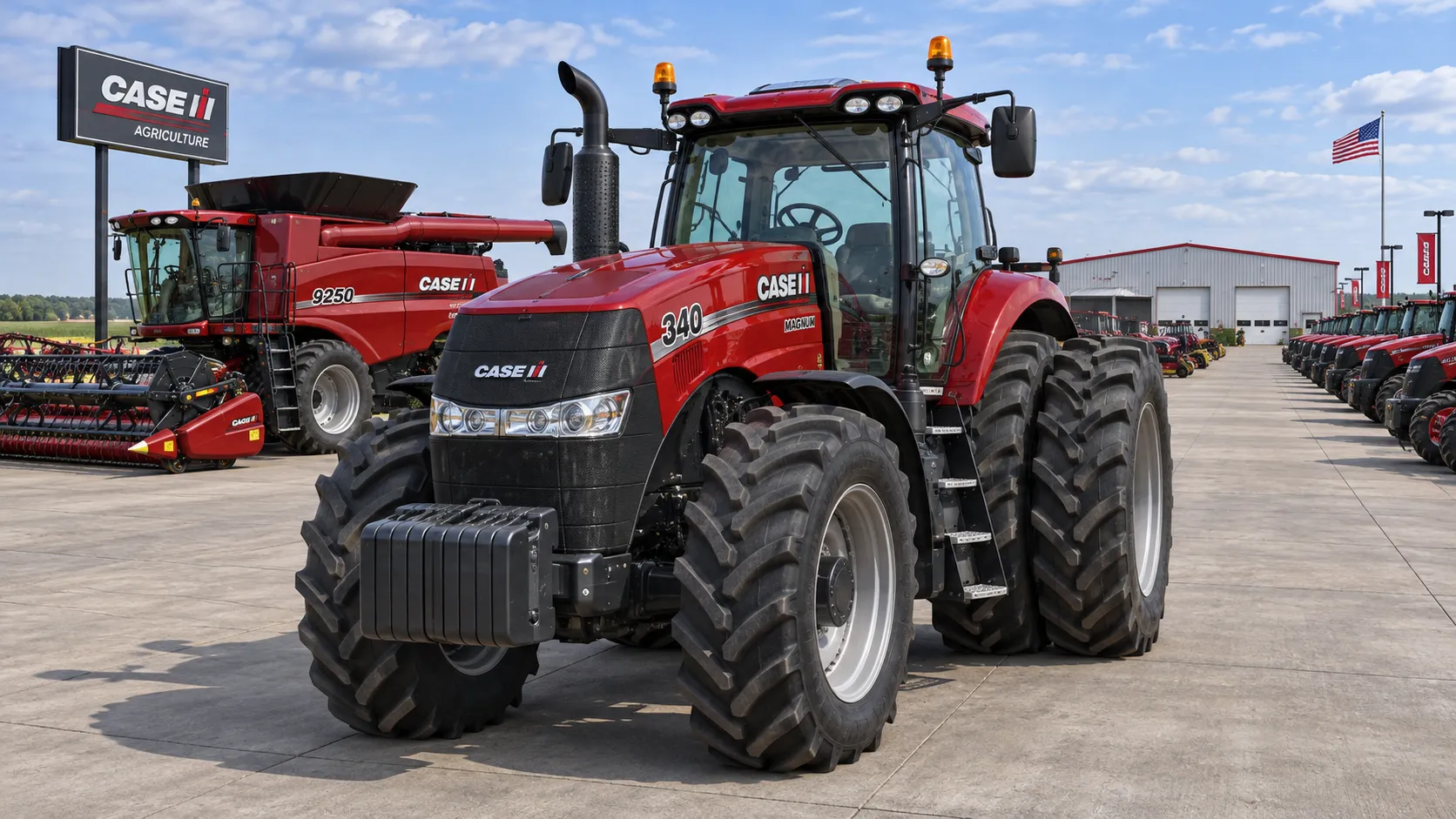
US Farm Equipment Sales Fall: Tractors Down 25.3%, Combines Down 10%
US farm equipment sales are falling, with tractors down 25.3% and combines down 10%. Explore what the figures could mean for buyers and suppliers.
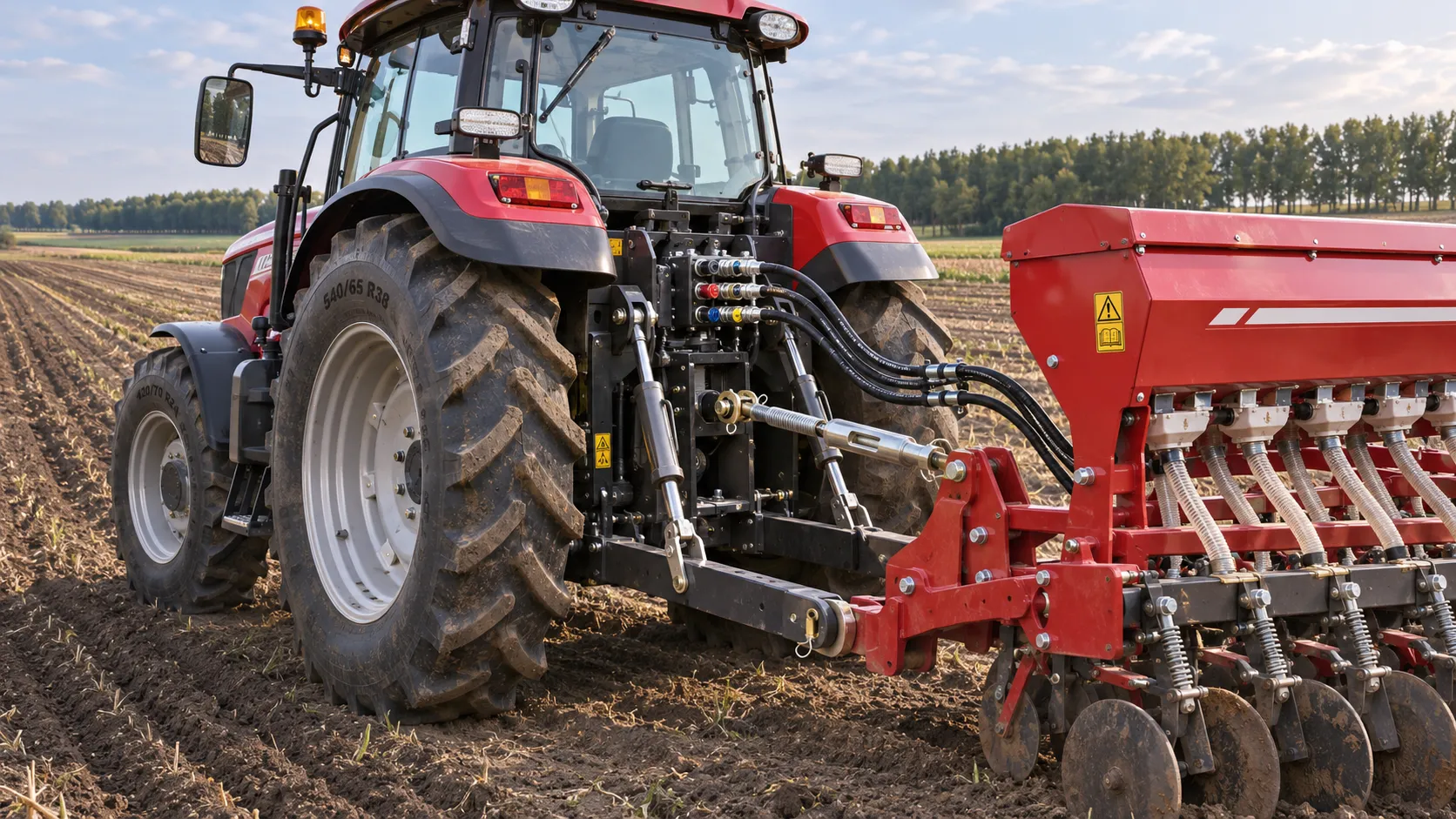
Farm Machinery Hydraulic Specifications: Flow, Pressure and Lift Capacity
Compare farm machinery specifications: hydraulic system flow, pressure and lift capacity. Learn how to match implements and avoid costly compatibility issues.
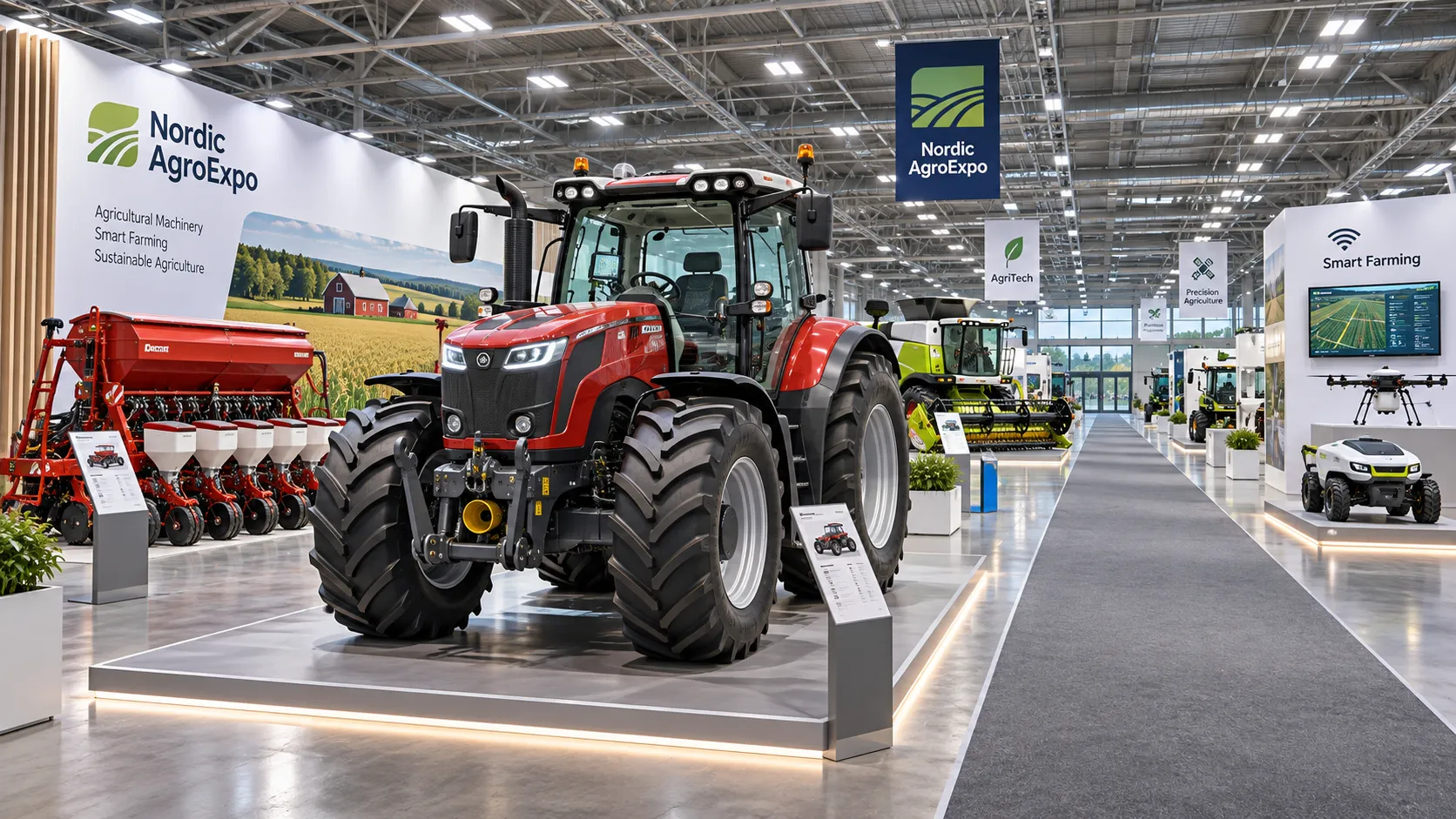
Agromek 2026 Opens in Herning with 530 Exhibitors
Agromek 2026 opens in Herning with 530 exhibitors. Explore agricultural machinery, smart equipment and sustainable farming technologies.
Related News
- 00
0000-00
Australia Consults on Extending Right-to-Repair Laws to Agricultural Machinery - 00
0000-00
AED and NAEDA Propose Merger to Combine North American Dealer Resources - 00
0000-00
US Farm Equipment Sales Fall: Tractors Down 25.3%, Combines Down 10% - 00
0000-00
Agromek 2026 Opens in Herning with 530 Exhibitors - 00
0000-00
DEUTZ-FAHR 7 Series TTV to Feature FPT N67 Engine at EIMA 2026
0000-00
Popular Tags
Dr. Alistair Vaughn
Weekly Insights
Stay ahead with our curated technology reports delivered every Monday.